

SUVs vs. Pickup Trucks: Which Vehicle Truly Fits Your Business Needs?
When it comes to versatile vehicles that blend power, space, and practicality, SUVs and pickup trucks often top the list. Both dominate the roads across the GCC, loved for their strength, road presence, and comfort. Yet, when it’s time to buy or lease one, most drivers and business owners face the same question: Which one is actually better for me?
The answer depends on your lifestyle, driving habits, and what you expect your vehicle to do. Let’s break down the key differences, so you can make a confident, informed decision that fits both your needs and your budget.
Design and Structure: How They’re Built Matters
At first glance, SUVs and pickup trucks may look similar, large, commanding, and ready for any road. But under the hood and frame, they’re built for different purposes.
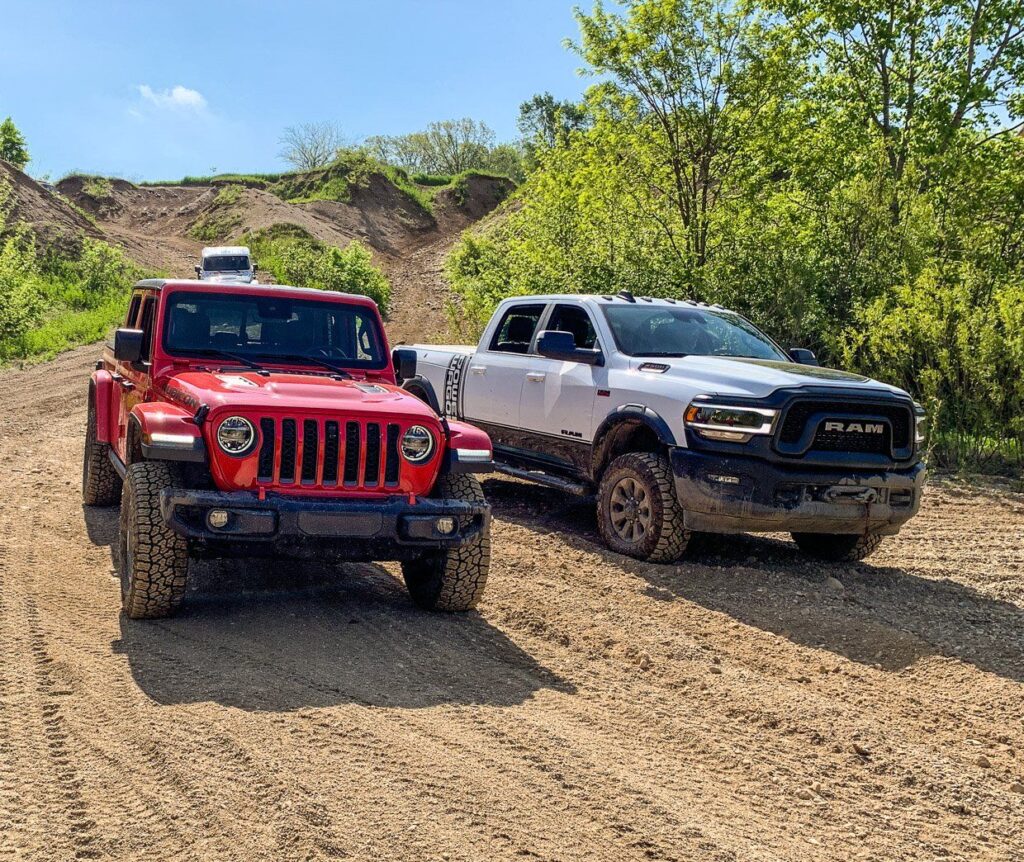
- SUVs (Sport Utility Vehicles) are generally built on a unibody frame, meaning the body and chassis are one integrated piece. This design makes them lighter, smoother, and more car-like in handling.
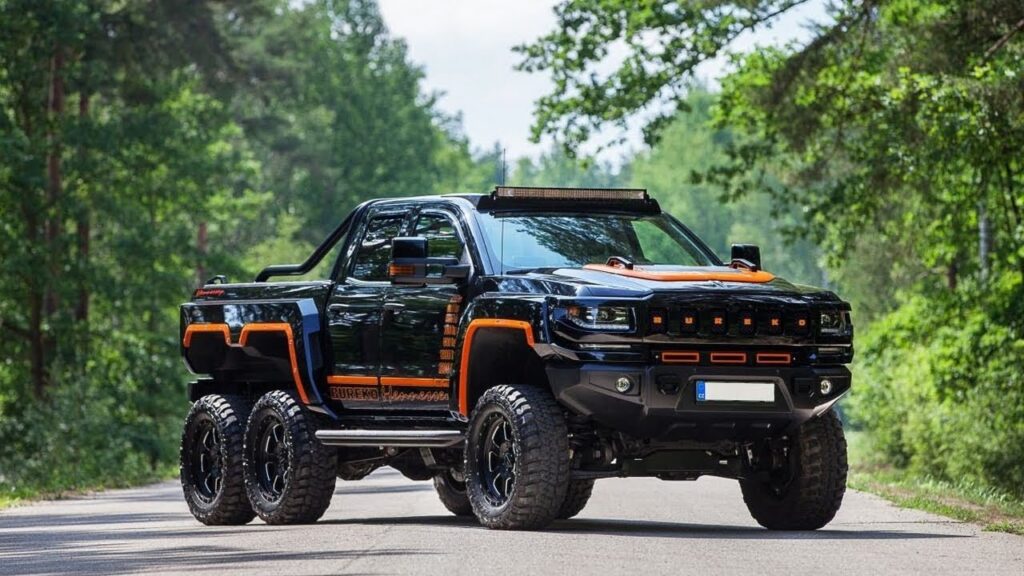
- Pickup trucks, on the other hand, use a body-on-frame construction, the same rugged foundation as most commercial vehicles. This gives them superior strength for hauling and towing but makes the ride stiffer compared to SUVs.
So, if you prioritize comfort and family use, an SUV’s structure offers better daily drivability. But if durability and utility are your top priorities, the truck’s build is designed to take more punishment.
Performance and Power: Built for Different Missions
Both vehicles deliver impressive performance, but how that power is used differs.
- SUVs tend to focus on balanced performance. Modern models combine refined engines, advanced suspension systems, and all-wheel drive options, making them ideal for both city and off-road driving.
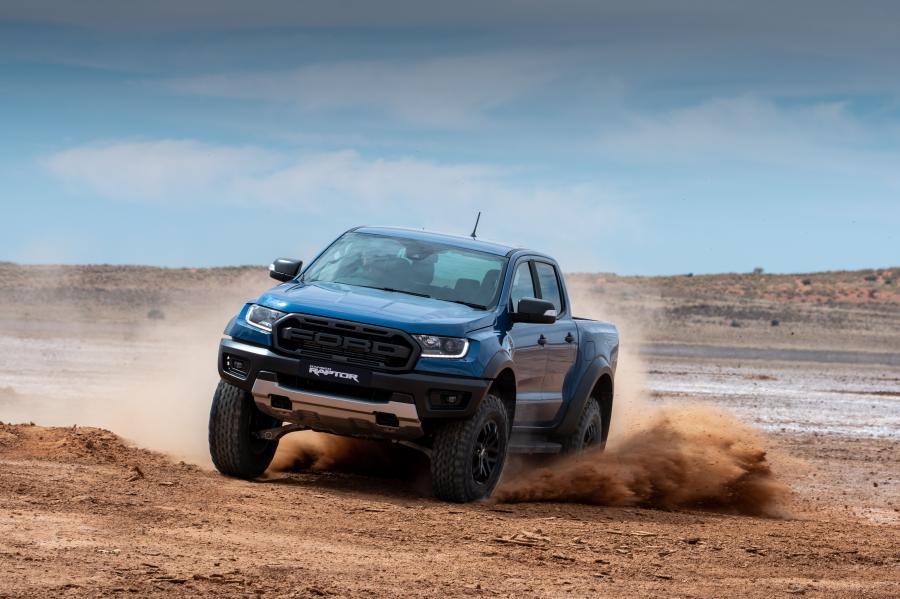
- Pickup trucks are designed with work in mind. They usually feature larger engines, higher torque, and rear-wheel or four-wheel-drive setups that prioritize towing and payload strength over comfort.
If your driving routine involves long highway trips, family commutes, or occasional weekend adventures, an SUV will likely suit you better. But if you regularly haul equipment, tow trailers, or manage field operations, a pickup truck’s torque-heavy performance is unmatched.
Interior Comfort and Space: Family vs. Function
Step inside an SUV, and you’ll often find a luxurious, family-friendly cabin with modern infotainment systems, three rows of seating, and smart storage solutions. Comfort is a defining trait, leather upholstery, noise insulation, and rear-seat entertainment systems are common features.
In contrast, pickup trucks have traditionally focused more on utility than comfort. But that’s changing fast. New-generation pickups now include spacious double cabins, premium interiors, and high-tech safety systems, making them more refined than ever.
Still, the SUV maintains an edge for passenger-oriented design. If you’re shuttling family members, clients, or guests, the SUV’s interior layout simply makes more sense.
Cargo and Towing Capacity: The Truck’s Natural Advantage
Here’s where pickup trucks clearly dominate. Their open cargo beds are purpose-built for carrying large, heavy, or irregularly shaped loads. Whether it’s building materials, bikes, or machinery, trucks can handle it with ease.
In contrast, SUVs offer enclosed cargo space, which is cleaner, safer for luggage, and better suited for family use, but limited in capacity.
To put it simply:
- SUVs are perfect for carrying people with some luggage.
- Pickups are ideal for carrying equipment with some people.
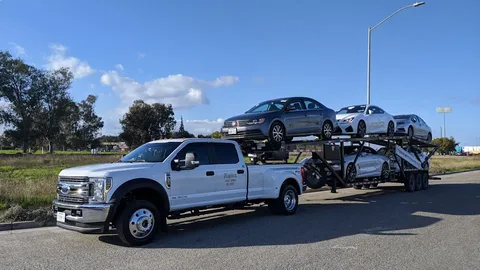
If towing power is your concern, trucks again win. Their frame design and high-torque engines make them better suited for pulling trailers, boats, or other vehicles, especially on rough terrain.
Fuel Efficiency and Running Costs
Fuel economy has become a top factor in the GCC, where rising fuel prices and sustainability goals are reshaping driving preferences.
Traditionally, SUVs are more fuel-efficient than pickups due to their lighter build and aerodynamic design. Smaller engine options and hybrid technologies have further improved their mileage.
Pickup trucks, while improving, still consume more fuel, especially when loaded or towing. However, for businesses that rely on hauling or logistics, the higher fuel cost may be justified by the added capability and revenue generation.
When evaluating this factor, it’s important to consider your annual mileage, fuel budget, and usage type rather than just comparing fuel economy numbers.
Off-Road Capability: Depends on the Model, Not Just the Type
In regions like the UAE, Oman, and Saudi Arabia, off-roading is more than a weekend hobby, it’s part of the culture. Both SUVs and pickups are capable off-roaders, but in slightly different ways.
- Pickup trucks excel in raw durability. Their high ground clearance, powerful torque, and body-on-frame build make them ideal for desert dunes and rugged worksites.
- SUVs, particularly full-size or off-road-oriented models like the Toyota Land Cruiser or Nissan Patrol, combine off-road strength with on-road comfort.
If your adventures include both highways and mountain trails, a capable SUV might be your best balance. But if you need a workhorse for rough terrain or daily hauling, a truck remains unbeatable.
Versatility and Everyday Usability
SUVs are designed for multi-purpose lifestyles, family outings, school runs, business meetings, and leisure trips all in one. Their versatility and compact handling make them easy to drive even in city traffic.
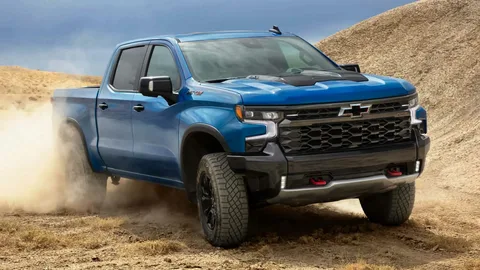
Pickup trucks, while bulkier, offer exceptional adaptability for business owners, contractors, and outdoor enthusiasts. New models often feature modular bed systems and customizable accessories, allowing drivers to tailor their trucks for both work and recreation.
In simple terms:
- Choose an SUV if daily comfort and flexibility matter most.
- Choose a pickup if you value strength, open cargo space, and utility above all else.
Maintenance and Resale Value
Both SUVs and pickups hold strong resale value in GCC markets, especially well-known brands like Toyota, Nissan, and Ford, known for reliability and availability of parts.
However, SUVs often require slightly more expensive maintenance due to advanced electronics, luxury interiors, and all-wheel-drive systems. Pickup trucks, built for toughness, are usually easier and cheaper to repair.
When sourcing a vehicle for business fleets, it’s smart to factor in long-term service costs, parts availability, and warranty coverage.
Safety Features and Technology
Modern vehicles are loaded with safety and driver-assistance technologies, but how these features are integrated can vary.
SUVs typically come with advanced driver-assistance systems (ADAS), lane-keeping assist, adaptive cruise control, and multiple airbags, making them highly suitable for families and executives.
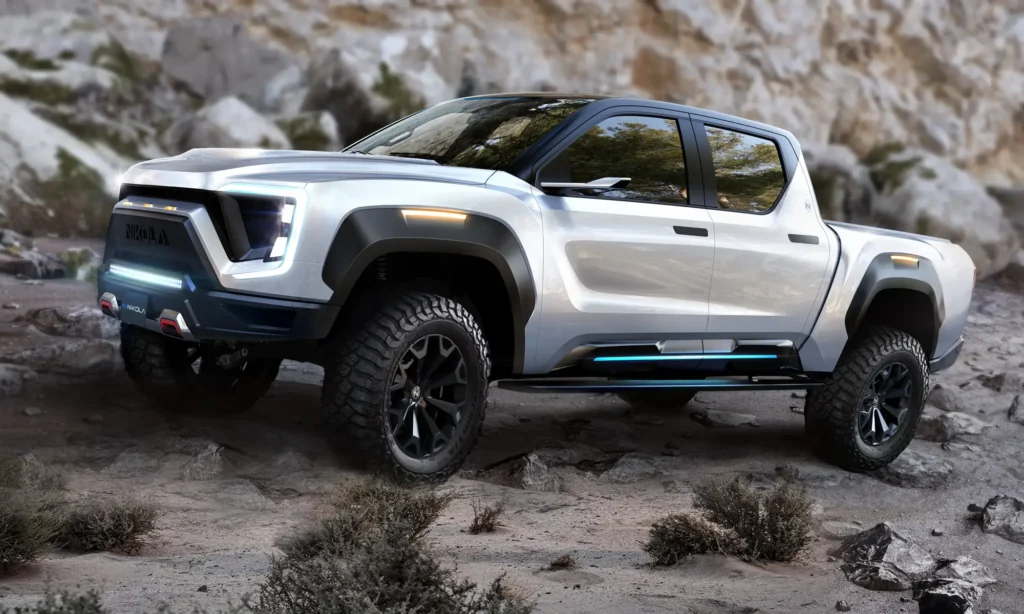
Pickup trucks now also offer impressive safety tech, but they’re often positioned as optional or limited to higher trims. For businesses, a mid-range pickup with essential safety features often strikes the right balance between cost and protection.
Cost and Ownership Value
SUVs generally come with higher starting prices, especially luxury or performance models. However, the comfort, status, and practicality they offer can justify the cost for many families and corporate users.
Pickup trucks, depending on configuration, can be more affordable at the base level but climb in price with added features and four-wheel drive.
Your decision should ultimately reflect total value over time, how well the vehicle supports your needs, retains value, and contributes to your lifestyle or business operations.
The Right Choice Depends on Purpose
So, SUV or pickup truck? There’s no one-size-fits-all answer.
- Go with an SUV if you need a versatile, family-friendly vehicle with refined comfort, advanced safety, and city-friendly handling.
- Opt for a pickup truck if your priority is hauling power, off-road capability, and rugged dependability for work or adventure.
In the end, the smartest decision comes from matching your vehicle to your everyday purpose, not just its looks or popularity.