

Climate-Controlled Car Storage: Why It Matters More
For most car owners in the UAE, the weather is both a blessing and a challenge. Sunshine nearly all year means plenty of perfect driving days, but it also means extreme heat, humidity, and dust that can quietly damage your car when it’s not being driven.
If you plan to leave your vehicle parked for an extended period, whether during travel, business trips, or seasonal breaks, where and how you store it can make a major difference. That’s where climate-controlled car storage comes in.
Let’s explore how temperature and humidity affect your vehicle, why climate control matters, and what steps can help you protect your investment.
Understanding What Climate-Controlled Car Storage Means
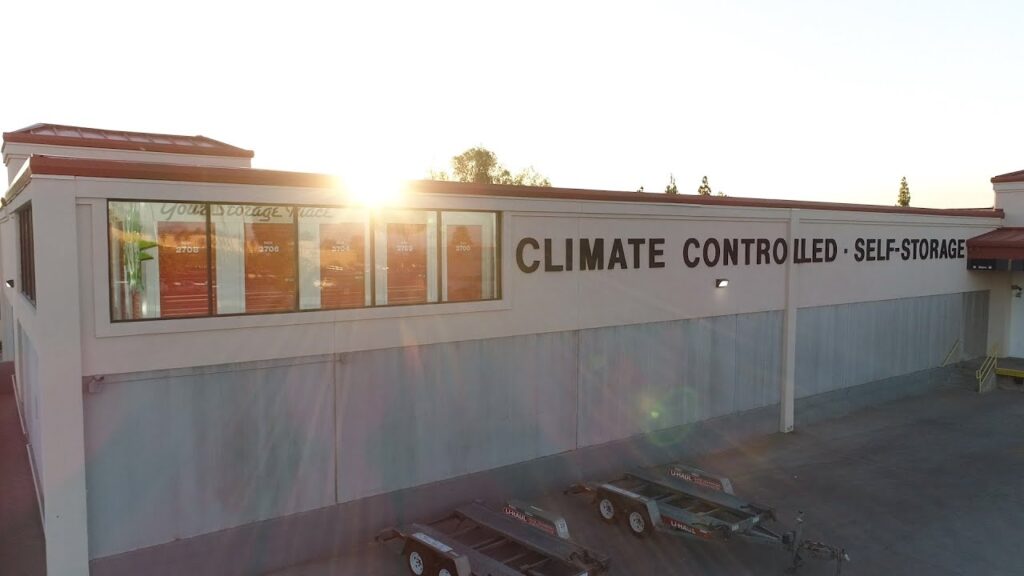
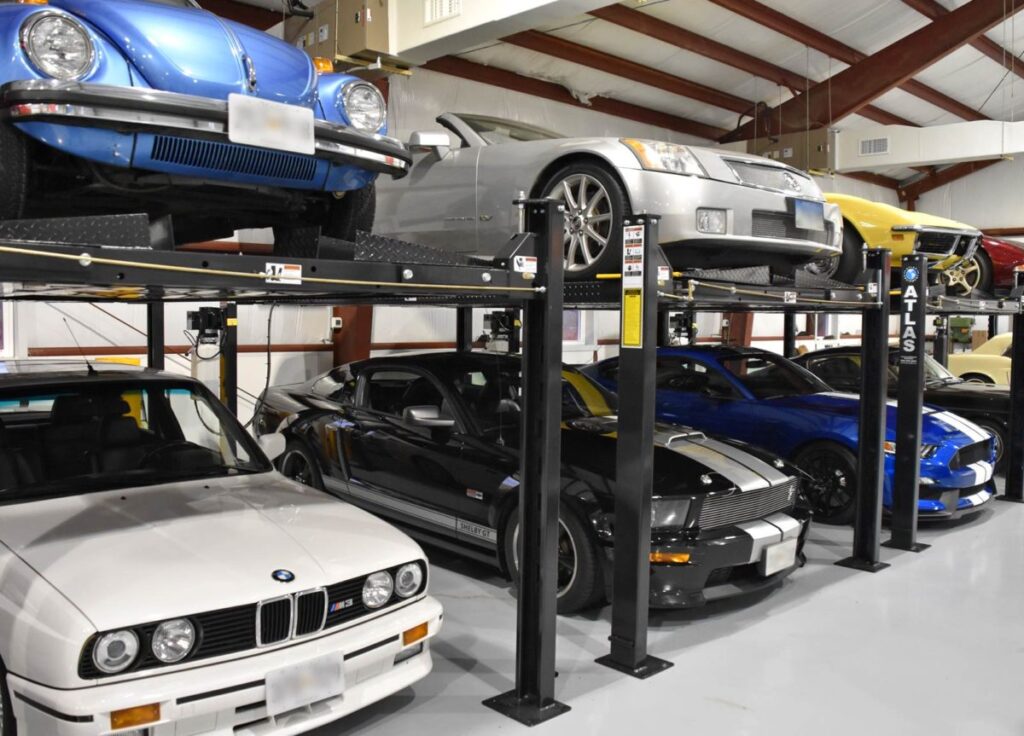
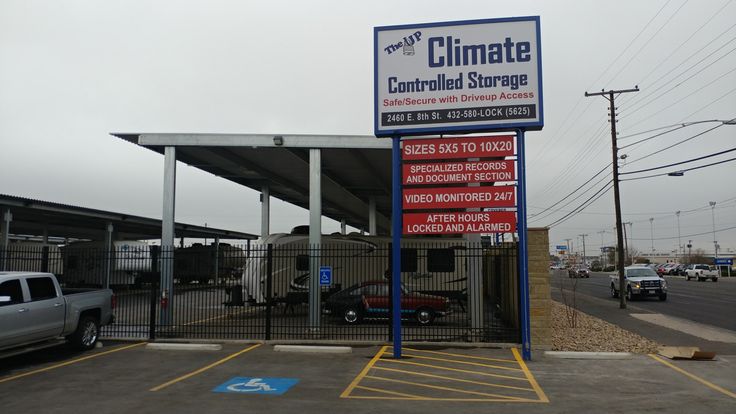
A climate-controlled car storage facility keeps the temperature and humidity inside a stable range, protecting vehicles from harsh outdoor conditions.
Unlike a regular garage or open-air parking space, these facilities use HVAC systems and insulation to maintain a consistent indoor climate, usually around 20–25°C and 50% humidity.
This controlled environment prevents damage caused by heat expansion, moisture buildup, and corrosion, issues that are common in the UAE’s desert climate.
The UAE Climate Challenge: More Than Just Heat
Let’s put things into perspective. The UAE can experience temperatures exceeding 45°C in summer, with humidity that can reach up to 90% along the coast. Add fine desert dust, and you’ve got the perfect storm for vehicle wear and tear.
Without protection, these conditions can harm your car in several ways:
- Paint fading and oxidation due to UV exposure
- Rubber and plastic parts cracking from constant heat
- Battery degradation and fluid evaporation
- Interior leather and dashboard warping or discoloration
- Rust and corrosion from trapped humidity
Even luxury or high-end vehicles, which are built with advanced materials, aren’t immune. The damage builds up slowly, but once it sets in, it can be expensive to fix.
How Temperature Affects Your Vehicle
Here is what you should know.
Engine and Fluids
Prolonged heat exposure causes engine oil and coolant to break down faster, reducing their effectiveness. Fluids like brake and transmission oil can also evaporate, leading to internal wear when the car is driven again.
Tires and Pressure
Heat expands the air inside tires, often causing uneven pressure or premature cracking. Over time, this can lead to flat spots if the car stays parked too long.
Battery Health
Extreme heat is one of the main reasons car batteries fail early. It accelerates electrolyte evaporation and shortens the battery’s overall life.
In a climate-controlled environment, these problems are minimized. The steady, moderate temperature helps keep all components stable and extends the car’s lifespan.
Why Humidity Control Is Just as Important
While heat gets most of the attention, humidity is the silent enemy of stored cars.
- Moisture encourages rust and corrosion, especially on exposed metal parts and undercarriage sections.
- Condensation can form inside lights and wiring systems, leading to electrical issues later.
- Leather seats and trims absorb moisture, causing mold, odor, and material breakdown.
By keeping humidity around 50%, climate-controlled storage prevents condensation and protects sensitive materials. It’s especially vital for classic, luxury, or performance vehicles, where even small signs of corrosion can affect value.

Protecting the Interior: Leather, Electronics, and Trim
The inside of a car is often more vulnerable than the outside when stored improperly.
- Leather seats dry out and crack under heat.
- Plastic trims fade and lose color from UV exposure.
- Touchscreens and electronic systems suffer from prolonged heat and humidity, affecting performance.
Climate-controlled storage helps maintain interior quality by keeping the cabin temperature stable. Many facilities also include UV-protected indoor lighting to ensure the vehicle remains safe even when maintenance work is done inside.
When to Consider Climate-Controlled Storage
Not every car needs full-time climate control, but there are certain situations where it’s strongly recommended:
- Long-term travel or relocation: If you’re leaving the UAE for weeks or months.
- Luxury or classic cars: High-end vehicles with delicate finishes or rare materials.
- Limited-use cars: Weekend cars, supercars, or collector models that stay parked most of the year.
- Business fleets: When vehicles are kept off rotation for seasonal use.
Even short-term protection can make a big difference in preserving your car’s value and mechanical health.
Regular vs. Climate-Controlled Storage: Key Differences
| Feature | Regular Storage | Climate-Controlled Storage |
| Temperature | Exposed to heat (35–50°C) | Stable (20–25°C) |
| Humidity | Fluctuates with weather | Constant (45–55%) |
| Dust Protection | Limited | Sealed indoor environment |
| Risk of Corrosion | High | Very Low |
| Suitable For | Daily-use cars | Luxury, long-term, or collector cars |
Additional Tips for Safe Vehicle Storage
Even in a controlled facility, a few extra steps go a long way:
- Clean your car thoroughly before storage to remove dust, salt, or oil that may cause corrosion.
- Top up all fluids especially coolant and brake fluid.
- Disconnect the battery or use a trickle charger to maintain charge.
- Cover your car with a breathable car cover (avoid plastic).
- Inflate tires properly to avoid flat spots.
- Run the engine briefly every few weeks if possible.
These small actions, combined with climate control, keep your car ready for smooth use whenever you return.
How Climate-Controlled Storage Saves You Money Long-Term
While some car owners hesitate to pay for premium storage, it often saves more in the long run.
Think of it as preventive care, protecting the car’s paint, battery, and mechanical parts reduces repair bills and helps retain resale value. A car that’s been stored properly is easier to maintain, easier to sell, and performs better after months of inactivity.
For luxury or performance vehicles, it’s not just about convenience, it’s about preserving the car’s integrity and investment value.
Choosing the Right Facility
When looking for storage, here’s what to check:
- Temperature and humidity range (Ask for specific numbers, not just “air-conditioned.”)
- Security systems – 24/7 surveillance, alarms, and access control.
- Insurance coverage – Confirm whether the facility covers damages or theft.
- Accessibility – Flexible hours if you need to access your car frequently.
- Maintenance options – Some facilities include washing, battery checks, and tire care.
Doing a quick inspection before signing up helps ensure your car will truly be in good hands.

Climate Control Isn’t Luxury; It’s Smart Maintenance
In a region where the sun is strong and the air can turn humid overnight, climate-controlled car storage isn’t a luxury, it’s a necessity for anyone serious about preserving their vehicle.
Whether you own a daily driver, a business fleet, or a supercar, protecting it from heat and humidity ensures it stays in peak condition both mechanically and cosmetically.
At the end of the day, your car isn’t just transportation. It’s an investment, and smart storage helps you protect it the way it deserves.