7 Smart Tips to Avoid Buying Flood-Damaged Cars in Dubai
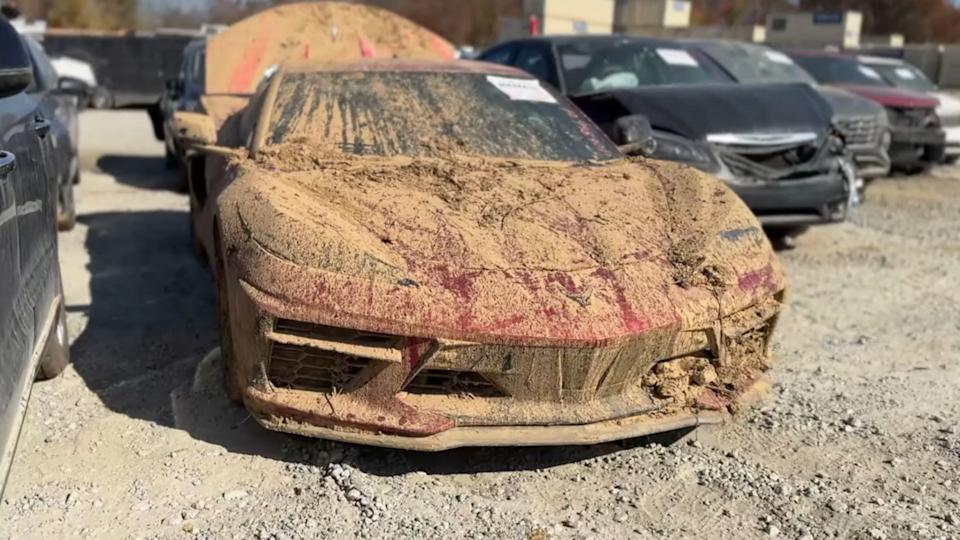
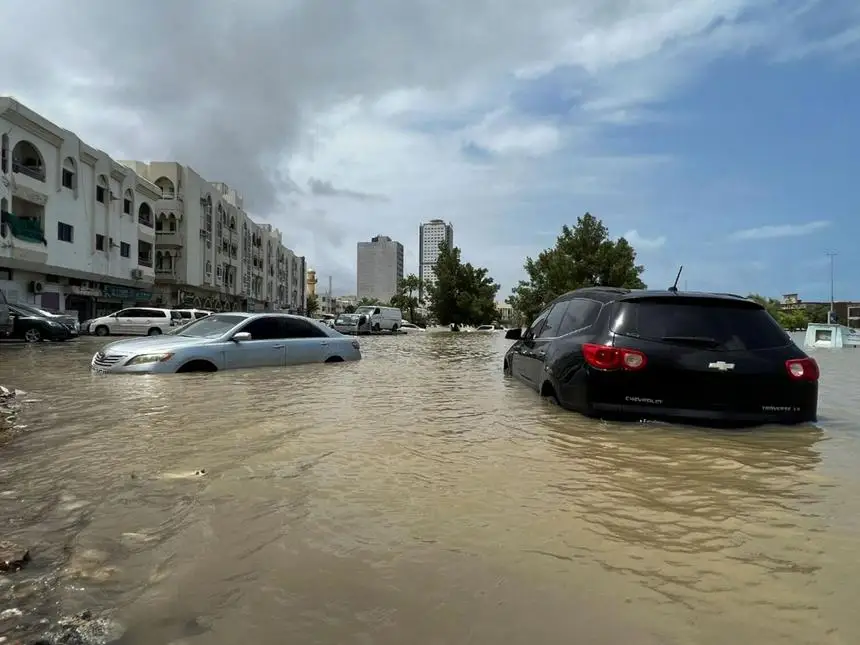
Dubai’s used car market is booming, sleek sedans, luxury SUVs, and sporty coupes line dealership lots and online listings. But not every shiny car tells the full story. After seasonal rains or regional imports, flood-damaged cars often find their way into the resale market.
On the surface, they may look spotless, freshly polished, new upholstery, and a tempting price tag. Yet beneath that shine could lie serious internal damage that’s expensive to fix and dangerous to drive. If you’re planning to buy a pre-owned car in Dubai, knowing how to spot flood damage can save you from a costly mistake.
Let’s walk through seven smart, practical tips that every buyer in the UAE should know before signing that deal.
1. Always Check the Vehicle History Report
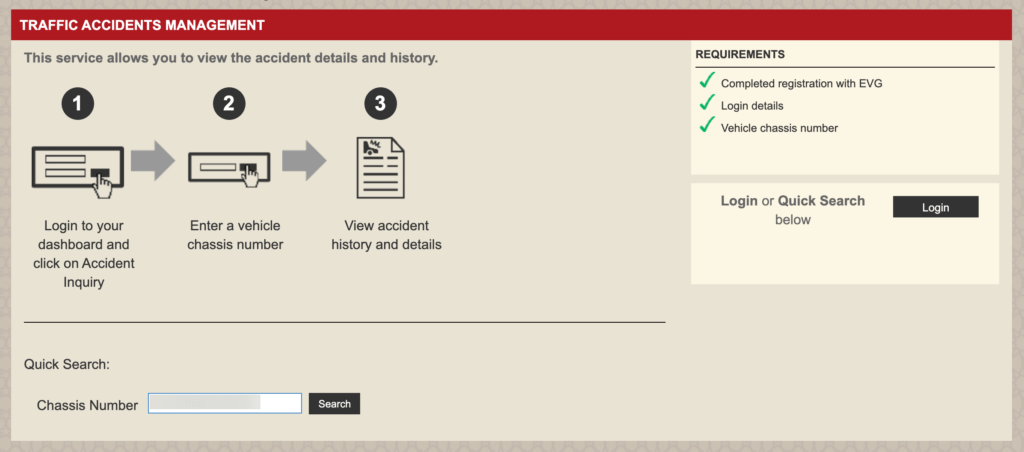
The first rule of buying any used vehicle is to verify its history report. This document reveals vital information, previous ownership, accident records, insurance claims, and in some cases, whether the car has been declared as flood-damaged.
In Dubai, you can use trusted platforms like Emirates Vehicle Gate, RTA Vehicle History Check, or Carfax (for imports) to dig into the car’s past.
Flood-damaged cars often show insurance write-offs, salvage titles, or export history from flood-prone countries. If you notice such entries, it’s a clear red flag. Always double-check these details before moving forward.
Pro tip: If the seller hesitates to share the chassis number (VIN), that’s another sign you should walk away.
2. Inspect the Interior for Water Damage Signs
Floodwater doesn’t just affect the engine, it creeps into the tiniest corners of a car’s interior. When you step inside the vehicle, trust your senses.
- Does it smell musty or like mildew?
- Are there stains on the carpet, seatbelts, or under the seats?
- Do the dashboard panels or upholstery look newer than the rest of the car?
These are common signs of water exposure and interior refurbishment. Carefully lift the carpet edges or trunk liner, you might spot dirt, rust, or silt that shouldn’t be there.
Another hidden clue lies in the lights and instrument panel. If they appear foggy, hazy, or inconsistent, water may have seeped inside.
If something feels off, have a mechanic inspect it professionally. The cost of a quick check is nothing compared to the expense of replacing an electrical system later.
3. Examine the Engine Bay and Electrical System
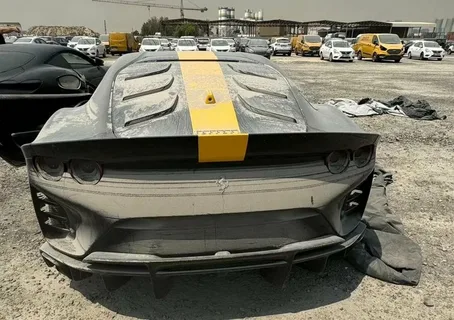
The heart of the car, its engine, is extremely vulnerable to flood damage. Even short-term exposure to water can ruin key components and sensors.
Pop open the hood and look closely. Watch for:
- Corrosion or rust around bolts, engine mounts, and metal parts.
- Mud or residue under the hood insulation.
- Watermarks or faded labels.
- Dirt on the alternator, starter motor, or air filter housing.
Modern cars rely on hundreds of sensors and connectors. If floodwater reached the engine bay, it could cause electrical short circuits, ECU failure, or sensor malfunctions, issues that often appear weeks after purchase.
If you’re not technically inclined, take the car to a trusted workshop for a diagnostic scan. It’s the most reliable way to uncover hidden electronic issues.
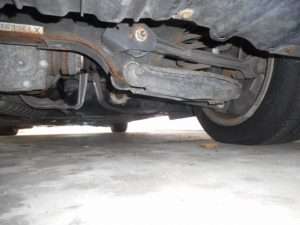
4. Review the Undercarriage and Suspension Area
Flood-damaged cars often tell their story underneath. The undercarriage and suspension components can reveal whether a vehicle was submerged.
Ask the seller if you can lift the car at a service center or use a ramp for a better view. Look for:
- Rust or mud buildup on the frame and control arms.
- Water lines or dried silt in hard-to-reach areas.
- Unusual wear on the brake or fuel lines.
Dubai’s dry climate means rust isn’t common here, so visible corrosion is a warning sign that something’s wrong.
If the car was exposed to floodwater, even briefly, the suspension bushings, brake lines, and wheel bearings could be compromised, all expensive fixes that affect safety.
5. Beware of “Too Good to Be True” Deals
You’ve probably seen it before, a nearly new car listed online for an unbelievable price, described as an “urgent sale.” While some sellers are genuine, many use these tactics to offload problem vehicles fast.
If the price is significantly below market average, pause and ask why. Compare listings on platforms like Dubizzle, YallaMotor, or CarSwitch to gauge the fair price for the model.
Scammers often rely on emotional urgency, they’ll claim they’re leaving the country or need to sell quickly. Don’t fall for it. Always remember: if a deal looks too good to be true, it usually is.
It’s better to lose one “cheap” deal than to end up paying thousands in repairs later.
6. Hire a Professional Pre-Purchase Inspector
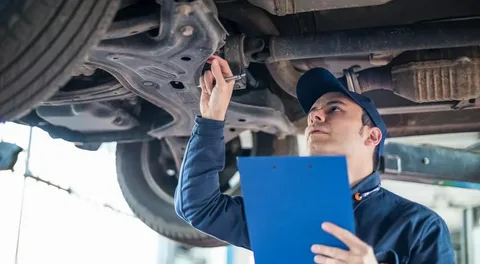
Even the most cautious buyer can miss something. That’s where a pre-purchase inspection (PPI) comes in.
A qualified mechanic or inspection service can detect water damage that isn’t visible to the naked eye, from moisture inside wiring harnesses to warped metal under panels.
Many reputable services in Dubai, such as AAA Service Center, Carcility, or RTA-approved workshops, offer detailed inspection reports for a small fee.
These inspections check the engine, transmission, suspension, and electrical systems in depth. The investment is small, but it could save you from major financial losses down the road.
Think of it this way, if you’re about to spend tens of thousands of dirhams on a car, spending a few hundred for peace of mind is worth every dirham.
7. Verify Registration and Service Records
Finally, one of the most revealing ways to spot a flood-damaged car is by checking its official records.
Ask for:
- Complete service history from the dealership or garage.
- RTA registration records.
- Mileage consistency between documents.
Flood-damaged cars often show gaps in maintenance or sudden drops in mileage, indicating they were off-road for repairs.
Cross-verify everything with the RTA Smart Services portal or call the dealer directly. Genuine vehicles have consistent records. Anything inconsistent should raise questions.
What to Do If You Suspect Flood Damage After Buying
Sometimes, you might discover issues only after purchase. If you suspect flood damage, don’t panic, act quickly.
- Visit a trusted mechanic for a comprehensive inspection and diagnostic scan.
- Document the damage (photos, videos, reports).
- Contact RTA or the Dubai Consumer Protection Department if you believe the seller misled you.
- Consult legal advice if the car was sold under false claims.
Prompt action can help recover part of your loss or hold the seller accountable.

Final Thoughts: Stay Smart, Stay Safe
Buying a car in Dubai can be exciting, but it’s easy to get swept away by glossy exteriors and persuasive sellers. Flood-damaged cars are a growing concern, they’re unsafe, unreliable, and costly to maintain.
By following these seven steps, checking history reports, inspecting interiors, reviewing electricals, and trusting professionals, you can protect yourself from scams and long-term financial headaches.
A good deal isn’t about price, it’s about trust and transparency.
So next time you spot that perfect car online, take a closer look. Do your research, ask the right questions, and make sure your dream car hasn’t spent time underwater.
Your future self (and your wallet) will thank you for it.