
Useful Tips to Diagnose a Failing Power Steering System
Imagine driving down Sheikh Zayed Road, turning your wheel and it suddenly feels stiff or heavy. That’s your power steering system crying for help. Power steering makes it easier to steer and control your car, especially at low speeds. When it starts to fail, you’ll feel the difference right away, tight steering, strange noises, or even fluid leaks.
In this blog, Drive UAE will walk you through how to spot early signs of a failing power steering system, what causes it, and how to fix or prevent future damage.
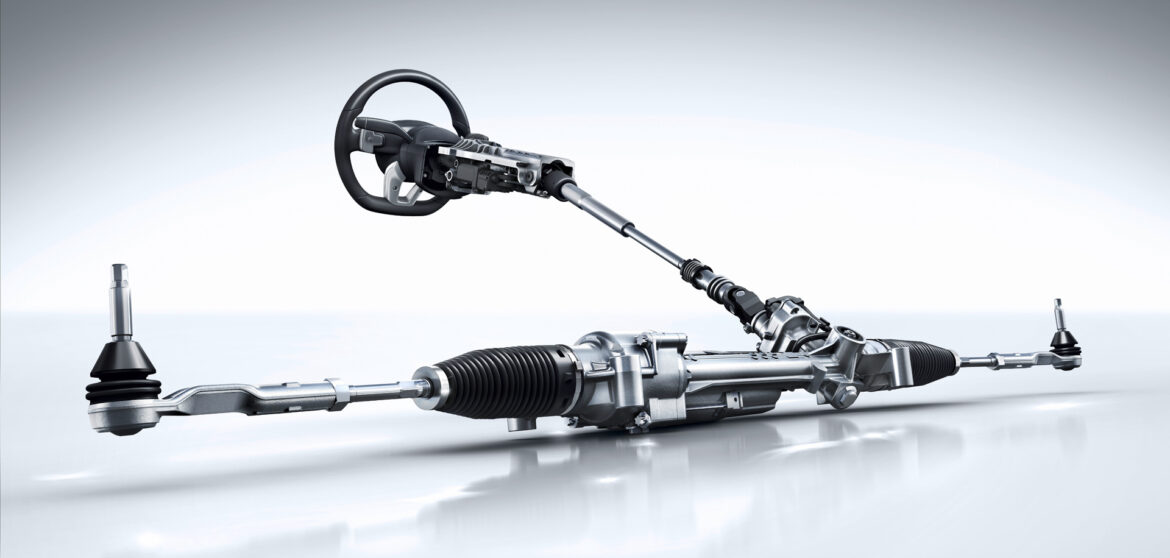
Understanding How Power Steering Works
Before diagnosing the problem, it helps to know what’s going on under the hood.
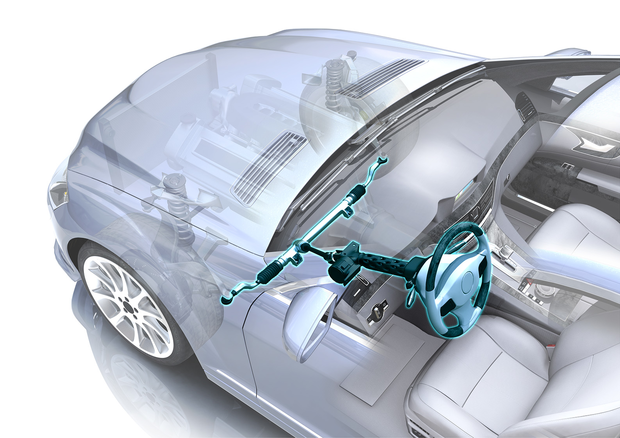
The power steering system uses either hydraulic pressure, electric assistance, or a combination of both to reduce the effort required to turn your steering wheel.
There are two main types:
Hydraulic Power Steering (HPS): Uses fluid pressure generated by a pump driven by the engine.
Electric Power Steering (EPS): Uses an electric motor and sensors to assist the steering.
When any of these parts fail, pump, motor, sensors, or fluid lines, you’ll notice steering difficulty or noise.
Common Signs of a Failing Power Steering System
Here’s what you should watch out for before the problem gets worse:
Difficulty Turning the Steering Wheel
If your steering feels heavier or stiffer than usual, especially during low-speed turns or parking, the system might be low on fluid, or the pump might be worn out.
Whining or Groaning Noises
Hearing a whining sound when turning the wheel is a classic symptom of low or leaking power steering fluid. In electric systems, a humming sound could indicate motor or sensor issues.
Power Steering Fluid Leaks
Check under your car for red, pink, or amber fluid. A leaking hose or seal can cause the system to lose pressure, making it harder to steer.
Vibrations or Jerky Movements
If your wheel jerks or vibrates while turning, your steering rack, pump, or belt may be failing.
Warning Light on Dashboard
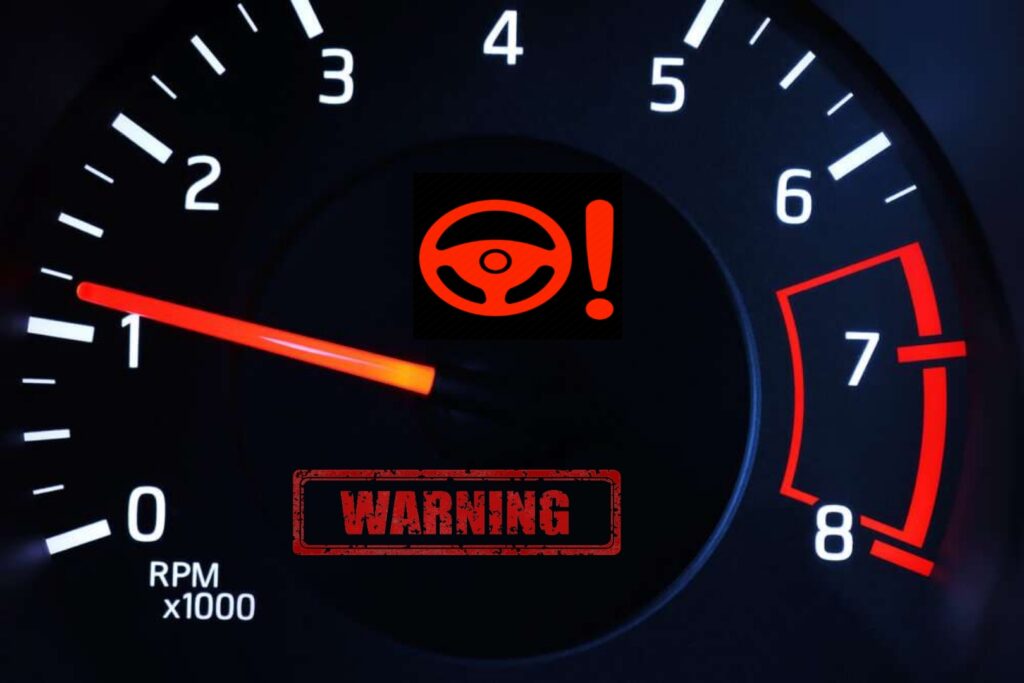
Modern cars have a power steering warning light, usually shaped like a steering wheel or an exclamation mark. When it lights up, it means the system has detected a malfunction.
Step-by-Step: How to Diagnose Power Steering Problems
Let’s go through an easy step-by-step checklist you can use at home before heading to a mechanic:
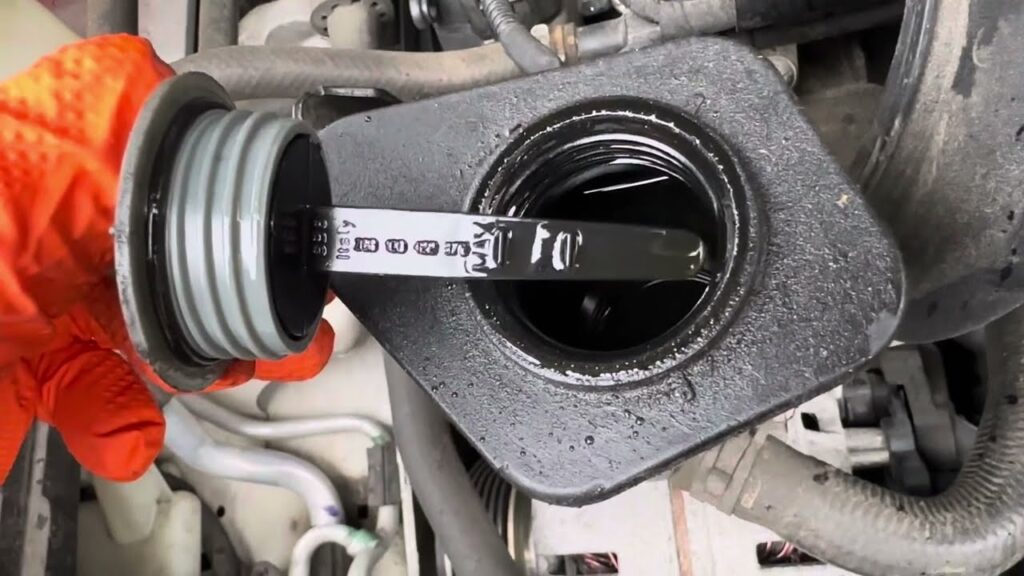
Step 1: Check the Power Steering Fluid
- Open the hood and locate the power steering reservoir.
- Remove the cap and check the fluid level using the dipstick.
- If it’s low, add the recommended fluid type.
- Inspect for leaks around hoses, the pump, and the rack.
Tip: Fluid that looks dark or smells burnt should be replaced immediately, it means it’s contaminated or overheated.
Step 2: Listen for Unusual Sounds
- Start the car and slowly turn the steering wheel from left to right.
- Whining noise: Often caused by low fluid or air trapped in the system.
- Squealing noise: Usually means a loose or worn-out belt.
If the noise persists even after topping up the fluid, the power steering pump may need replacement.
Step 3: Check for Belt Problems
- A broken or loose serpentine belt can cause the steering pump to lose power.
- Inspect the belt for cracks, fraying, or looseness.
- If it looks worn, it’s time for a replacement.
Step 4: Inspect for Leaks
- Place a white paper or cardboard under your car overnight.
- Red or pink stains indicate a power steering fluid leak.
- Oilier or darker fluid may come from the engine or transmission, so check carefully.
Step 5: Observe the Steering Feel
- Drive slowly in a safe area.
- If the wheel feels stiff, there might be fluid or pump issues.
- If it vibrates or shakes, the steering rack might be damaged.
- If it feels loose, check for worn-out steering joints or bushings.

Step 6: Scan for Diagnostic Trouble Codes (DTCs)
- For modern electric power steering systems, connect a basic OBD-II scanner.
- Codes like C1231 or U0126 point to EPS sensor or communication issues.
- These can be checked by a mechanic for accurate repair.
How to Fix Common Power Steering Problems
Here is how you should do it.
Low or Dirty Fluid
- Drain the old fluid using a turkey baster or suction tool.
- Refill with the manufacturer-recommended fluid (check your owner’s manual).
- Turn the wheel lock-to-lock to remove air from the system.
Leaking Hose or Seal
- Identify the source of the leak.
- Replace damaged hoses or seals.
- Top up fluid and bleed air from the system.
Worn-Out Pump
If you hear a persistent whining sound even after fixing leaks, replace the power steering pump.
Belt Replacement
A squealing belt means it’s too loose or worn out. Replace it or adjust its tension.
Electric System Reset
For cars with electric power steering, disconnect the battery for a few minutes, then reconnect it to reset the ECU.
If the warning light stays on, professional diagnostics may be needed.
Preventive Maintenance Tips
- Check fluid levels every month.
- Use only the manufacturer’s recommended fluid type.
- Replace fluid every 50,000–80,000 km.
- Inspect belts and hoses for cracks every oil change.
- Avoid holding the wheel at full lock (far left or right) for long, it strains the pump.

When to Call a Mechanic
If you’ve checked everything but still experience:
- Loud whining or groaning sounds
- Steering wheel jerks or gets stuck
- Repeated fluid loss after topping up
It’s time to visit a professional. Ignoring a failing steering system can lead to total loss of control, which is unsafe at high speeds.
A trusted mechanic can perform pressure tests, inspect steering racks, and replace faulty parts safely.
Estimated Repair Costs in the UAE
To give you an idea of local repair cost.
- Power Steering Fluid Flush: 150–250 AED
- Leak Fix (Hose or Seal): 300–800 AED
- Pump Replacement: 800–1,500 AED
- Belt Replacement: 150–400 AED
- Electric Power Steering Repair: AED 1,200–2,500
(Note: Prices vary by vehicle model and workshop location.)
Conclusion
Your power steering system plays a crucial role in your safety and driving comfort. By catching early warning signs, like stiff steering or fluid leaks, you can save yourself from bigger repair bills later.
Always check your fluid levels, belts, and hoses, and don’t delay visiting a mechanic if the problem persists.
With regular maintenance and early diagnosis, your steering will stay smooth, responsive, and safe, whether you’re cruising Dubai’s highways or maneuvering through tight city streets.