
What Does the L Gear Do in a Car? When and How to Use
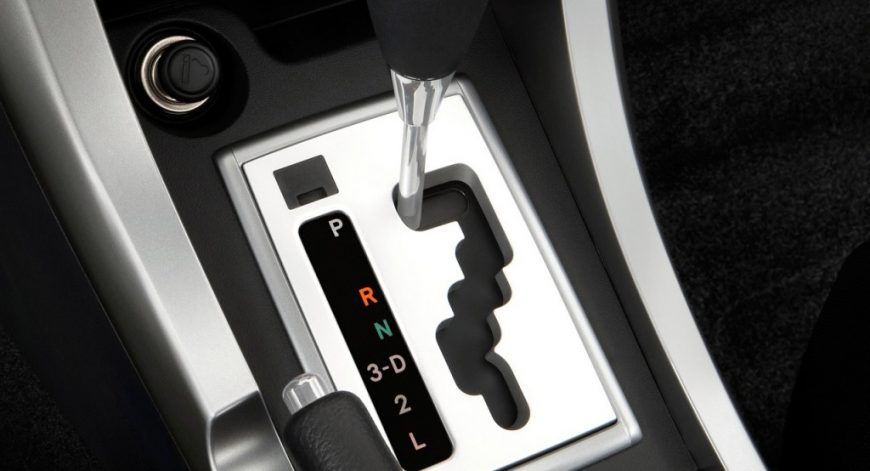
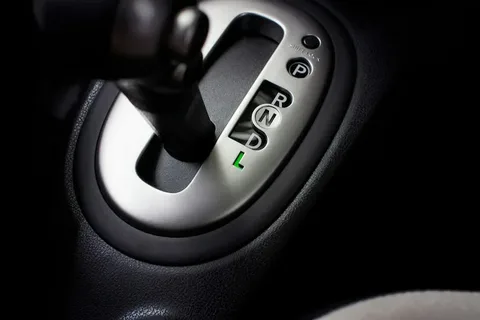
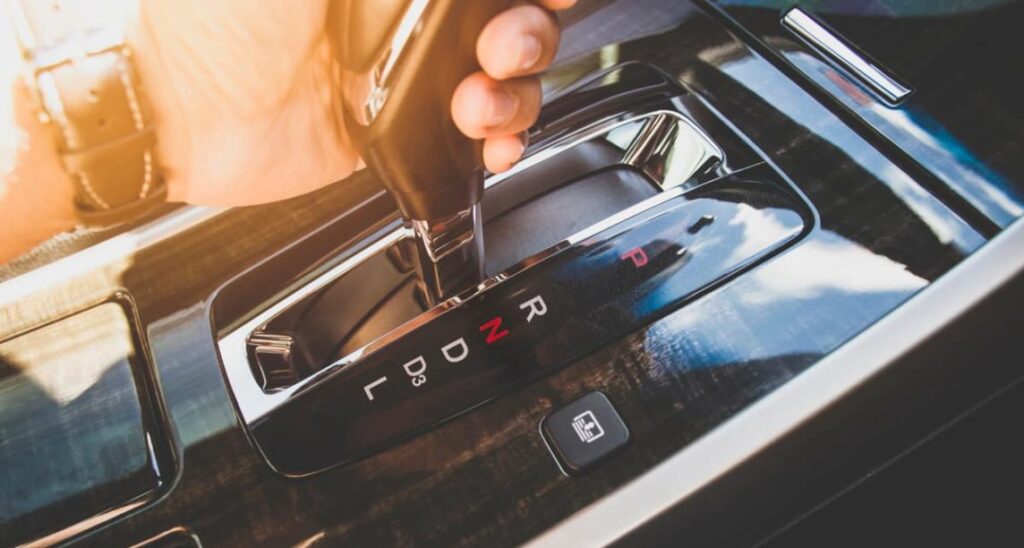
If you drive an automatic car in the UAE, you’ve probably noticed a mysterious letter sitting next to the usual P, R, N, D on the gear lever, the “L” gear, also known as Low Gear. Many drivers never use it, some are unsure what it does, and others assume it is only for old vehicles.
But in reality, the L gear plays an important role, especially in a country with steep mountains, long descents, heavy towing, and sandy terrain like the UAE.
This guide explains what the L gear does, when to use it, why it helps keep you safe, and the common mistakes you must avoid.
What Is the “L” Gear in a Car?
The L stands for “Low” gear. When selected, the transmission locks your car into a lower gear, usually first or sometimes first and second gear. This means:
- The engine delivers more torque
- The vehicle stays at lower speed
- The engine does more work instead of the brakes
It’s like telling your car: “Don’t shift to higher gears; stay powerful and controlled.”
That’s why low gear is ideal when the road demands extra power and traction, not speed. In SUVs and 4x4s, Low mode is even stronger and is used for off-roading or deep sand driving.
When Should You Use the L Gear?
Here are real-life cases where the L gear becomes extremely useful in UAE:
1. Driving Uphill: Jebel Jais, Hatta, or Fujairah Routes
Steep climbs require higher engine power to maintain momentum. Low gear ensures the car doesn’t struggle or constantly shift gears.
2. Driving Downhill
Low gear introduces engine braking. The engine slows the vehicle instead of relying only on brakes. This prevents brake overheating, especially on long slopes. This is very important on UAE mountain trips such as:
- Jabal Hafeet (Al Ain)
- Jebel Jais road (Ras Al Khaimah)
3. Towing Heavy Loads
If your SUV is pulling a trailer, watercraft, or carrying heavy cargo:
Low gear = smoother takeoff + better control
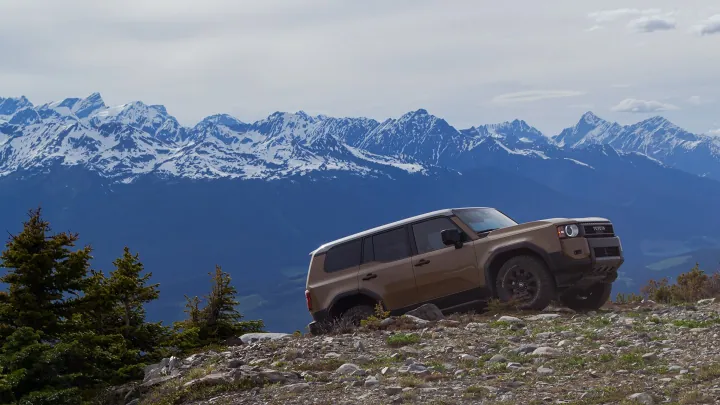
4. Driving on Sand or Muddy Tracks
Low gear helps your wheels maintain grip and reduces the chance of digging too deep or spinning out.
Example: Desert areas in Dubai–Sharjah border or Liwa
5. Slopes in Parking Garages
Low gear prevents rolling backward in:
- Dubai Mall parking slopes
- Marina residential towers
- Multi-level car parks across Abu Dhabi
In short: Use L gear whenever control matters more than speed.
Benefits of Driving in Low Gear
It offers the following benefits.
| Benefit | Why It Matters |
| More torque | Better climbing power + strength when loaded |
| Better traction | Safer on slippery or loose surfaces |
| Engine braking | Reduces brake heat and wear |
| Improved control | Prevents sudden acceleration on declines |
| Smooth towing | No gear hunting or transmission stress |
Low gear helps the car work with the road, not against it.
L Gear vs. S, 1, or 2: What’s the Difference?
Many cars also show S, 2, or 1. Here’s how they compare:
| Gear | Meaning | Best Use | Speed Range |
| L | Low gear (stays in first or first + second) | Hills, towing, off-road, strong engine braking | Very low speeds |
| S | Sport mode | Faster acceleration and performance | Medium to high speeds |
| 2 / 1 | Older style low gear selection | Similar to L but selects a specific gear only | Low speeds |
So if you see S, do not confuse it with L. Sport Mode is for speed and responsiveness, not low-speed control.
Does Low Gear Damage Your Car?
No, using low gear correctly protects your car, especially the brakes and transmission.
However, don’t select L at high speeds. Sudden locking of lower gear can shock the engine and gearbox.
General rule:
✔ Shift to L before the slope or sandy road
✔ Keep speeds low and steady
Used wisely, L gear reduces wear, not increases it.
How Modern Cars Simulate Low Gear
Newer vehicles may not show “L” but instead offer:
- Paddle shifters (manual gear control at low speeds)
- Drive modes: Off-Road, Snow, Tow/Haul
- Hill Descent Control: automated low-speed management downhill
- Stronger regenerative braking (in EVs)
EV example:
- Tesla, Mercedes-EQ, and BMW iX let you increase regen-braking to mimic engine braking on descents
The concept is the same: More control. Less brake pressure. Improved traction.
UAE-Specific Safety Practices
To stay safe while using low gear:
- Avoid pressing brakes constantly during descents, let engine braking help
- Maintain safe speed limits even if the car feels controlled
- Avoid sudden throttle inputs on sand, gentle acceleration prevents spinning
- Ensure tyres are in good condition, traction depends on tyre health
Long mountain drives also require:
- Engine coolant at proper level
- Brakes inspected before trip
- Appropriate tyre pressure
Common Mistakes Drivers Make
Below are the common mistakes that drivers make.
- Using L gear on flat highways
- Engaging low gear at high speed suddenly
- Thinking L gear is only for old cars
- Relying only on brakes during mountain descents
- If your brakes smell burnt after going downhill, it’s a sign you should’ve used L.
Conclusion
The L gear is not a useless button or outdated relic. It’s a built-in safety and performance tool designed for situations where the engine should take control, not the brakes.
Whether you’re:
✔ Exploring the mountains of Ras Al Khaimah
✔ Towing a jet ski to the beach
✔ Navigating deep sand paths
✔ Driving up Dubai’s steep parking ramps
Low gear helps your vehicle deliver more power, better stability, and safer braking.
If you haven’t used it before, now you know exactly when and how to rely on the L gear confidently, especially in the diverse driving conditions of the UAE.