
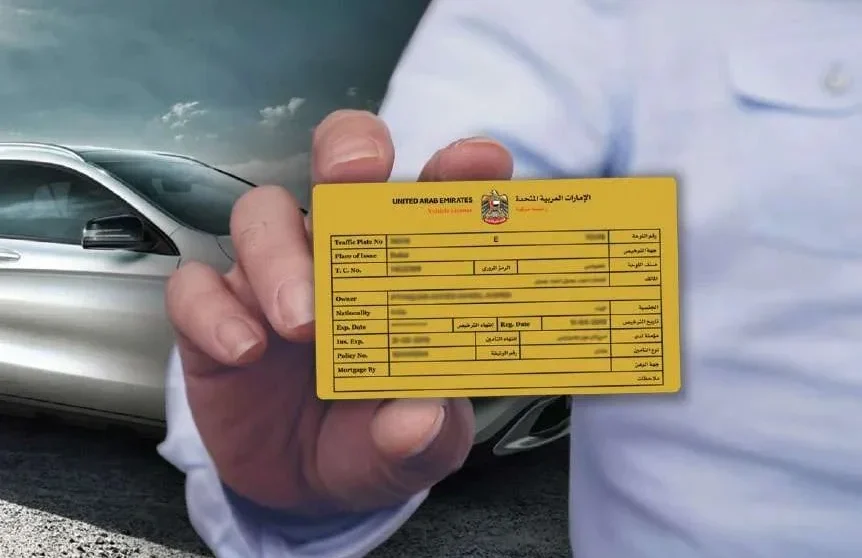
Commercial Vehicle Registration in the UAE: Steps, Fees and Rules
If you run a business in the UAE, keeping your commercial vehicles properly registered is not just a requirement, it’s essential for smooth day-to-day operations. Whether you manage a delivery fleet, own company cars, operate vans, or are planning to expand your transport operations, understanding how commercial vehicle registration works helps you save time, avoid fines, and stay compliant with UAE regulations.
This guide walks you through everything you need to know about commercial vehicle registration in the UAE, including who needs it, the step-by-step process, required documents, renewal rules, inspection requirements, fees, and important regulations business owners often overlook.
Why Commercial Vehicle Registration Matters
Commercial registration in the UAE is stricter than private registration because business vehicles are considered high-use and high-liability. They operate more frequently, carry goods or passengers, and often travel long distances. For this reason, transport authorities ensure they meet all safety and legal requirements.
Here’s why proper registration is important:
- It ensures the vehicle is legally allowed to operate for business use.
- It protects your business from penalties or impoundment.
- It proves the vehicle meets safety standards.
- It allows you to obtain commercial insurance.
- It is required for trade licenses linked to transport or logistics.
If you use a vehicle for deliveries, logistics, rentals, passenger transport, construction, or company operations, it falls under the commercial category.
Who Needs to Register a Commercial Vehicle in the UAE?
You must register your vehicle under commercial status if it fits any of the following:
- Delivery vans
- Pickup trucks
- Heavy trucks and trailers
- Passenger transport vehicles (buses, vans)
- Fleet vehicles used for rentals
- Construction vehicles
- Limousine and chauffeur service cars
- Company-owned cars assigned to employees
Even if the vehicle looks like a private car, its purpose determines its category.
For example:
If you own a Toyota HiAce used for delivery, it must be registered as commercial.
If you run a corporate fleet for staff transportation, those cars must also be commercial.

Documents Required for Commercial Vehicle Registration
The UAE requires additional documents for commercial vehicles to ensure compliance. The documents may vary slightly by emirate, but generally include:
- Valid trade license & BRN (Business Registration Number)
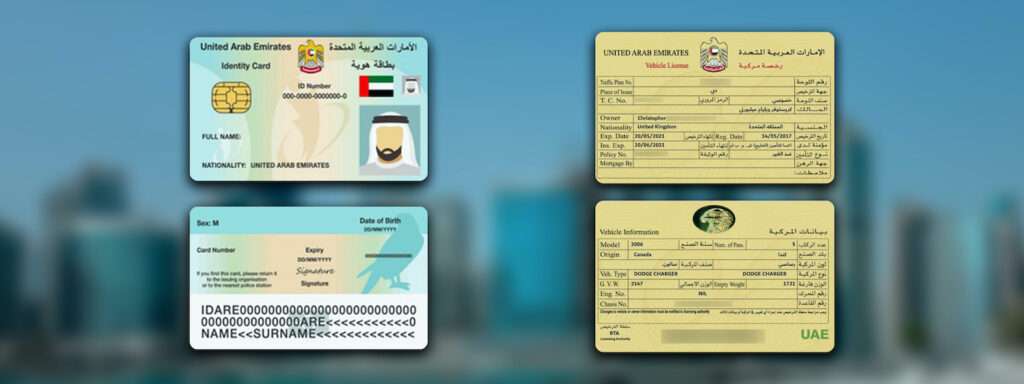
- Emirates ID of authorized signatory
- Vehicle purchase invoice or proof of ownership
- Customs clearance (for imported vehicles)
- Insurance policy for commercial usage
- Technical inspection certificate (commercial standards)
- Vehicle operation permit (for transport activities)
- Letter of authorization (if the registration is handled by someone else)
Make sure your trade license includes the activity related to the vehicle’s use. For example, “Delivery Services,” “Transport,” “Logistics,” or “Car Rental.”
Step-by-Step Process: How to Register a Commercial Vehicle in the UAE
Here is the complete process, broken down clearly.
Step 1: Apply for Commercial Vehicle Insurance
Before anything else, you must obtain:
- Third-party insurance (minimum)
- Comprehensive commercial insurance (optional but recommended)
Commercial insurance differs in cost due to heavier usage and business risks.

Step 2: Get the Vehicle Inspected
Commercial vehicles undergo a stricter technical inspection compared to private vehicles. The test checks:
- Brakes and suspension
- Exhaust and emissions
- Tyres and alignment
- Chassis condition
- Lights and electrical systems
- Weight compliance (for heavy trucks)
- Safety equipment (fire extinguisher, triangle, seat belts)
If your vehicle passes, you get the Inspection Certificate, which is mandatory for registration.

Step 3: Submit Required Documents
You can submit your application through:
- RTA service centers (Dubai)
- Tasjeel / Shamil / Wasel / ADNOC centers
- TAMM (Abu Dhabi)
- Sharjah and Northern Emirate licensing centers
Most businesses also use RTA digital portals to fast-track paperwork.

Step 4: Pay the Registration Fees
Once your documents and inspection are approved, you pay the registration charges (explained in detail in the sections below).
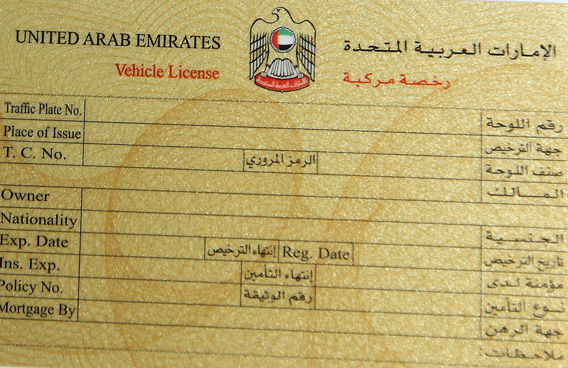
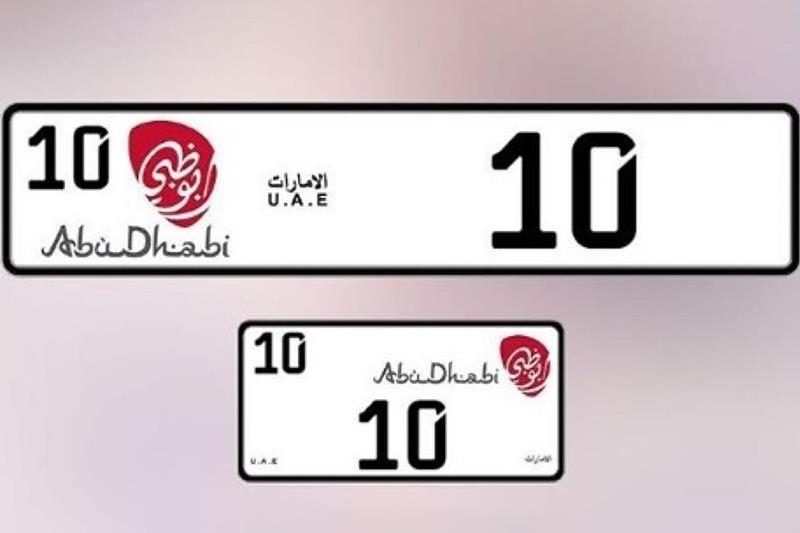
Step 5: Receive the Commercial Plate Number & Registration Card
You will receive:
- Commercial license plate
- Mulkiya (registration card)
- Vehicle sticker (if required)
Commercial plates follow specific codes depending on the emirate and vehicle type.
Step 6: Obtain Operation Permits (For Certain Businesses)
If you operate a transport-related business, you may also need:
- RTA transport permit (Dubai)
- Load permit for trucks
- Route permit
- Passenger transport permit
This is mandatory for logistics companies, delivery fleets, and buses.
Commercial Vehicle Registration Fees in the UAE (2025)
Fees vary by emirate and vehicle type, but here are the general ranges:
1. Registration Renewal Fee
- Light commercial vehicles: AED 350–450
- Heavy vehicles: AED 400–650
- Trailers: AED 120–200
2. Technical Inspection Fee
- Light commercial vehicles: AED 170–200
- Heavy trucks: AED 250–350
3. New Registration Fees
- New registration: AED 400–500
- Plate cost: AED 35–500 depending on type
- Knowledge & innovation fees: AED 20
4. Permit Fees (If Required)
- Transport permit: AED 500–2,000
- Route permits for trucks: AED 100–200 per trip
5. Insurance
Depends on:
- Vehicle size
- Cargo class
- Usage frequency
Typically AED 2,000–6,000+ per year for commercial cars.
Rules Businesses Must Follow for Commercial Vehicle Registration
The UAE has specific rules to ensure safety and compliance.
1. Annual Technical Testing Is Mandatory
Private cars often skip inspections for the first few years, but commercial vehicles require yearly testing, no exceptions.
2. Weight Limits Must Be Respected
Heavy trucks must follow official weight limits. Overloading leads to:
- Fines
- Vehicle impoundment
- Black points
- Suspension of transport permits
3. Trade License Must Match Vehicle Use
If your license activity does not match the vehicle purpose, registration will be rejected.
Example:
You cannot register a delivery van if your trade license only includes “General Trading.”
4. Commercial Plates Must Always Be Displayed
You cannot replace or cover commercial plates with private ones.
5. Insurance Must Cover Commercial Use
Using private insurance for commercial operations is illegal.
6. Renew on Time to Avoid Penalties
Expired commercial registrations can lead to:
- Daily fines
- Impoundment
- Blocks on trade license transactions
Renewing a Commercial Vehicle Registration
Renewal follows the same process:
- Get insurance
- Complete technical testing
- Submit documents
- Pay renewal fees
You cannot renew without passing the inspection.
Businesses with large fleets often use bulk renewal services through RTA or TAMM to save time.
Common Mistakes to Avoid
Many business owners face issues because of avoidable mistakes:
- Registering a commercial vehicle under a private category
- Not updating trade license activities
- Using private insurance
- Ignoring annual testing
- Not renewing permits for transport activity
- Using the vehicle for purposes not listed in the license
Avoiding these issues saves time, money, and penalties.
Conclusion
Registering a commercial vehicle in the UAE may seem complicated, but with the right information, it becomes a simple and smooth process. The key is understanding the steps, meeting inspection requirements, securing proper insurance, and ensuring your trade license aligns with your vehicle’s purpose.
Whether you’re a small business with one delivery van or a company managing a full fleet, staying compliant with UAE commercial vehicle registration rules helps you operate safely, legally, and efficiently.