
Inside Porsche Engineering: Best Programming
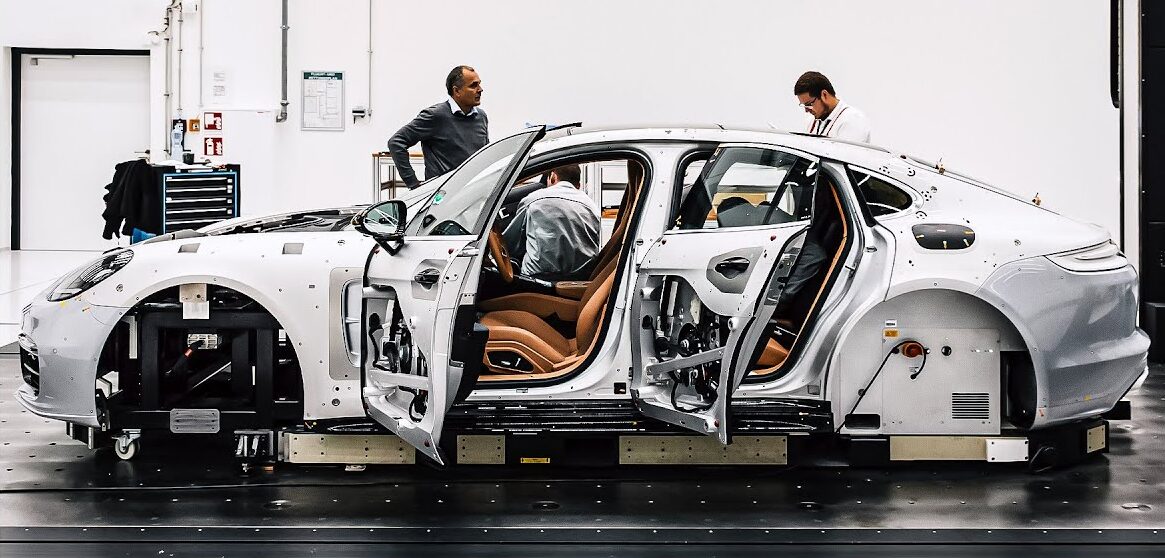
Porsche isn’t just a luxury car brand, it’s a statement of engineering discipline, detail, and precision. When someone talks about “German engineering,” Porsche is usually the example they have in mind. Every modern Porsche model, from the 911 Turbo to the Taycan, Panamera, and Cayenne, runs on layers of software logic, drive algorithms, and mechanical systems that work together so smoothly that most drivers don’t even notice the complexity behind them.
But what truly sets Porsche apart? Why do their cars feel so sharp, so balanced, and so connected to the road? And how does Porsche use engineering and programming techniques that go far beyond standard automotive practices?
This blog breaks down the best engineering and programming methods Porsche uses, and how these innovations shape performance, safety, and long-term reliability.
Porsche’s “Race-DNA Engineering”: The Foundation of Every System
Porsche doesn’t design road cars first and race cars second.
They do the opposite.
Most brands design a commercial vehicle and then adapt it for the racetrack. Porsche starts with a motorsport-first approach. This means:
- Mechanical components are built to handle extreme loads.
- Software systems respond with millisecond accuracy.
- The aerodynamics are track-ready even at normal speeds.
This philosophy influences everything—from the suspension algorithms in the 911 GT3 to the regeneration logic in the Taycan EV series.
What makes this method special?
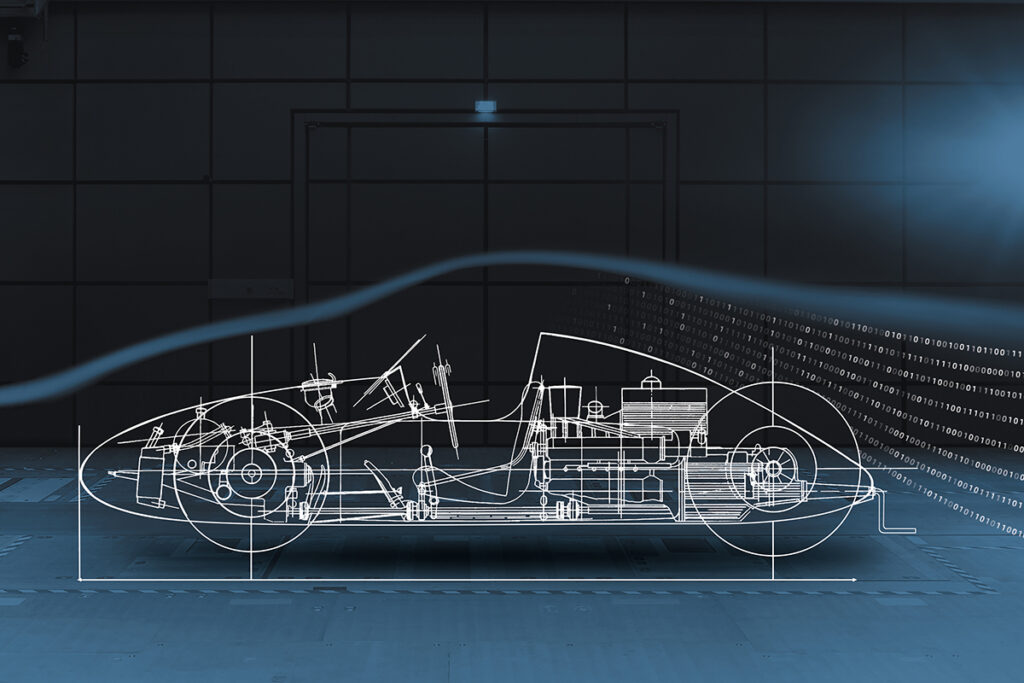
Track data becomes the foundation of the road car’s engineering. Porsche constantly collects real-time telemetry from racing teams, using it to refine braking programs, gearbox control software, and stability systems.
This is why even non-race models like the Macan or Cayenne feel so planted and responsive.
Porsche Active Suspension Management (PASM): Engineering That Thinks Ahead
PASM is one of Porsche’s most impressive feats of software-driven engineering.
In simple words: the suspension adapts instantly to the road.
How PASM works
- Sensors monitor body movements, road bumps, acceleration, and steering changes.
- The control unit adjusts damper stiffness in real time.
- The car chooses the perfect balance between comfort and performance.
This isn’t reactive engineering, it’s predictive.
PASM studies your driving pattern and adjusts before you even feel the change.
Why drivers love it
- Better stability on UAE highways like Sheikh Zayed Road
- Smooth performance on uneven city roads
- Perfect control during high-speed cornering
This mix of mechanical finesse and software intelligence is exactly what fans call “the Porsche feel.”
Porsche Traction Management (PTM): A Smarter All-Wheel Drive System
Most AWD systems transfer power front-to-back.
Porsche’s PTM does that, and more.
PTM uses:
- Wheel-speed sensors
- Lateral acceleration sensors
- Steering angle data
- Torque demand calculations
And it processes all of this within milliseconds.
The result?
The car knows where to send power before a slip occurs.
This is extremely useful in UAE conditions where:
- Roads can get sandy
- Sharp temperature shifts affect tire grip
- Highway speeds are high
PTM gives drivers maximum confidence without needing to oversteer, countersteer, or correct the car manually.
Porsche Stability Management (PSM): Software That Saves Lives
PSM is Porsche’s advanced stability and traction software.
But unlike many stability systems that feel intrusive, PSM is subtle, intelligent, and barely noticeable.
What makes PSM special
- It allows spirited driving while keeping the car safe.
- It intervenes only when absolutely necessary.
- It adjusts braking individually for each wheel for perfect balance.
Porsche designed PSM to support and not restrict the driver, which is why even experienced racers trust it during high-speed driving.
Dual-Clutch Magic: Porsche’s PDK Transmission
The PDK gearbox is one of the most important innovations in modern performance engineering.
Why PDK is unmatched
- Lightning-fast gear shifts
- No power loss between shifts
- Predictive logic chooses the right gear based on driving style
- Launch control is nearly perfect in every model
Porsche uses two clutches, one for odd gears and one for even gears. So when the car shifts, the next gear is already prepared. This is why Porsche acceleration feels so clean and direct.
In fact, many experts consider PDK the best automatic performance gearbox ever made.
Porsche Taycan Software Architecture: EV Programming Done Right
Porsche’s electric lineup, especially the Taycan, showcases some of the best EV software logic in the world.
Key engineering methods include:
a. 800-Volt Architecture
Most EVs use 400V systems. Porsche doubled it.
Benefits:
- Faster charging
- Lower heat generation
- Better efficiency
- More stable high-speed performance
b. 2-Speed Transmission for EVs
Porsche is the only EV brand using a 2-speed gearbox.
Result:
- Explosive acceleration (1st gear)
- Better efficiency at high speed (2nd gear)
c. Regenerative Braking Programming
Their regen system feels natural—no sudden jerk, no aggressive slowdown.
Software does the hard work to balance friction braking with electrical regeneration.
d. Thermal Management Logic
The battery is cooled and heated using multi-layer thermal controls.
In the UAE heat, this means:
- Stable performance
- Lower degradation
- Better range retention
Porsche’s EV programming is so advanced that many competitors use it as a benchmark
Aerodynamics + Software = Porsche’s Hidden Weapon
Porsche treats aerodynamics as a living system, not a fixed shape.
Active aero components adjust based on:
- Speed
- Airflow
- Steering angle
- Cooling needs
- Brake temperature
Examples:
- The 911 Turbo’s active spoiler expands at high speed
- Air flaps open or close automatically
- Air curtains reduce turbulence around wheels
This approach saves fuel, boosts performance, and stabilizes the car at extreme speeds.
Engine & ECU Tuning That Doesn’t Compromise Reliability
Porsche’s ECU programming is one of the safest in the performance world.
Why Porsche tuning stands out
- Power is delivered smoothly, not aggressively
- Torque curves are designed for long engine life
- Cooling systems are deeply integrated with engine load maps
- Safety parameters prevent overheating or overboosting
This is why even after years of hard driving, most Porsche engines remain strong.
Cybersecurity & Software Protection
Modern cars rely on code. Porsche takes cybersecurity seriously.
Their encryption and software-lock systems protect:
- ECU maps
- Sensor data
- Remote access modules
- Communication between car and app
This prevents hacking attempts and unauthorized tuning.
The Human Factor: Porsche Engineers Still Love Mechanical Purity
Despite advanced programming, Porsche never abandons mechanical excellence.
- Hydraulic steering feel in GT3 models
- Lightweight material selection
- Perfect weight distribution
- Balanced brake systems
- Rigid but flexible chassis design
This blend of human craftsmanship and smart programming is the Porsche formula, and it’s why the brand remains iconic.
Final Thoughts
Porsche is one of the few brands where engineering comes before marketing. Their programming methods, from PASM and PTM to Taycan’s EV architecture, show a clear commitment to precision, safety, and emotional driving feel.
Behind every Porsche is:
- Software that predicts and adjusts instantly
- Mechanical systems built from motorsport DNA
- Smart engineering that lasts years without losing performance
Whether you drive a Cayman, a 911, a Macan, or a Taycan, the magic you feel isn’t accidental, it’s the result of decades of engineering mastery.