
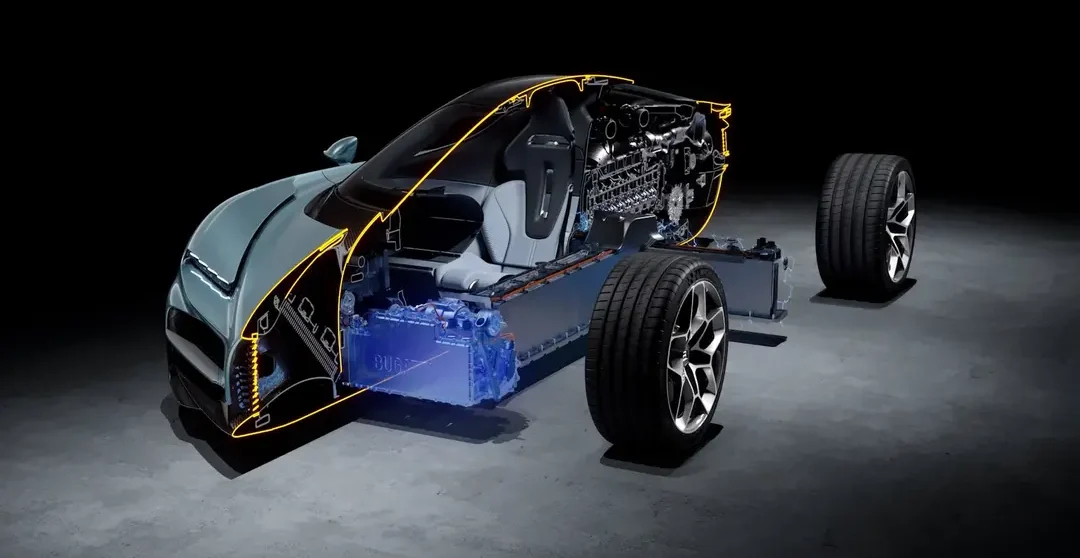
Rimac Solid-State Battery Breakthrough Could Power the Next Bugatti Era
For years, solid-state batteries have felt like automotive folklore. Always promised. Never delivered. But that narrative is starting to change, and Rimac is leading the charge.
Bugatti-Rimac has officially confirmed that it is deep into the development of solid-state battery technology, with plans to bring it to a future Bugatti production model by around 2030. This is not a lab experiment or concept-car fantasy. This is real engineering aimed squarely at the next generation of hypercars.
Why Solid-State Batteries Matter
The biggest challenge for electric performance cars has always been weight. Traditional lithium-ion batteries are heavy, and that mass dulls handling, brakes, and tire life. Rimac’s solution is a new solid-state battery architecture developed alongside battery specialist ProLogium and materials experts at Mitsubishi.
The early numbers are impressive.
A prototype 100 kWh solid-state battery pack delivers around 30 percent higher energy density than today’s lithium-ion setups. More importantly, Rimac has managed to cut approximately 30 kg from the battery pack alone by using a new ultra-rigid composite housing.
In the hypercar world, saving 30 kg is enormous. It means sharper turn-in, better braking stability, and faster acceleration without adding power.
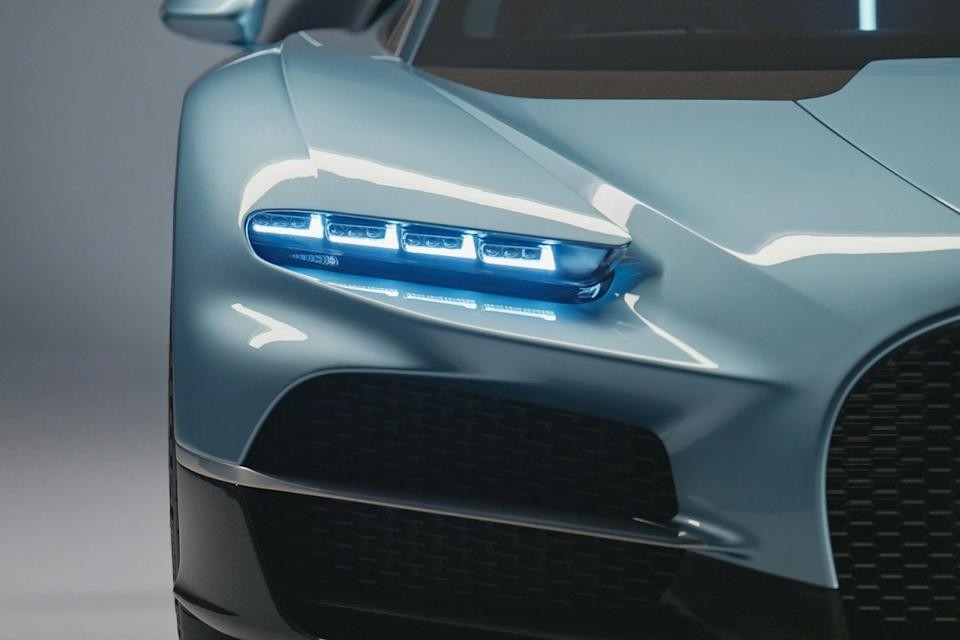
It’s Not Just the Battery Getting Lighter
Rimac is also rethinking how electric motors are packaged. The company is developing next-generation e-axles, which combine the motor, gearbox, and control electronics into a single ultra-compact unit.
One upcoming e-axle weighs just 132 kg yet produces similar output to the rear motor of the Rimac Nevera, around 612 horsepower. Even more remarkable is a smaller unit currently under development. It produces 500 horsepower while weighing only 48 kg.
That kind of power-to-weight ratio changes what is possible in car design, especially for performance-focused brands like Bugatti.
When Will We See This in a Bugatti?
Rimac has set a clear timeline. The first production application is expected by the end of this decade, likely around 2030. The technology will debut in what Rimac describes as a “mid-volume” Bugatti model.
For Bugatti, mid-volume still means extreme exclusivity, but it suggests a model positioned below the Tourbillon rather than replacing it. The upcoming Tourbillon will retain its V16 hybrid setup, while solid-state power is reserved for what comes next.
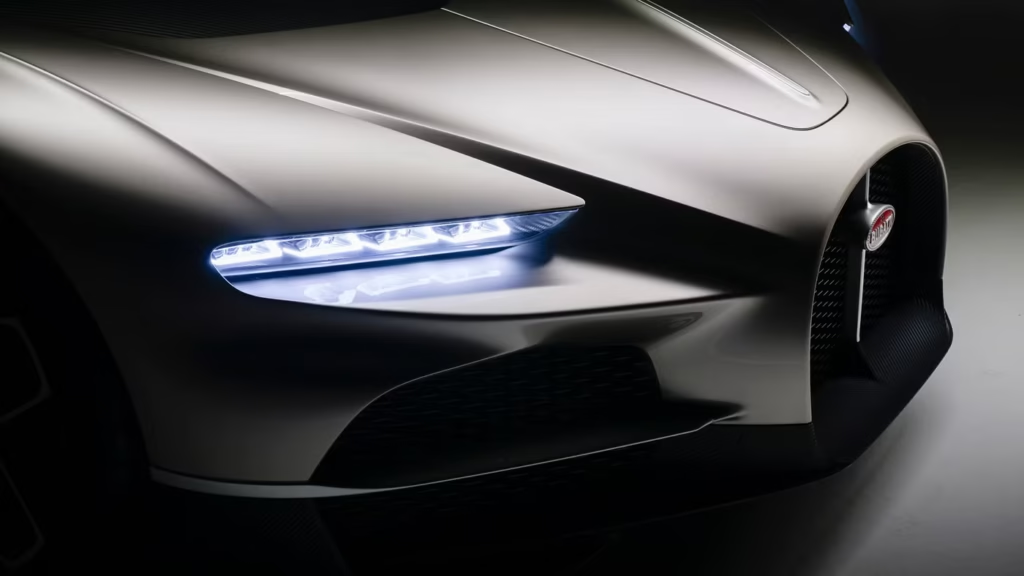
Technology That Will Not Stay Exclusive
What makes this development even more significant is that Rimac Technology is not keeping it in-house. The company has already confirmed supply agreements with BMW, Porsche, and Saudi-based brand CEER.
That means this technology could eventually filter down from hypercars into high-performance road cars we may actually see on UAE roads in the future.
Drive UAE Take
Solid-state batteries represent one of the biggest potential shifts in automotive engineering. Rimac is not just promising the future. It is building it.
Lighter batteries. Faster charging. More compact motors. For Bugatti, this could redefine what an electric hypercar feels like. For the wider industry, it signals that the post-lithium-ion era is finally getting close.
At Drive UAE, we will be watching closely as this technology moves from prototype to production and shapes the next generation of ultra-performance vehicles.