
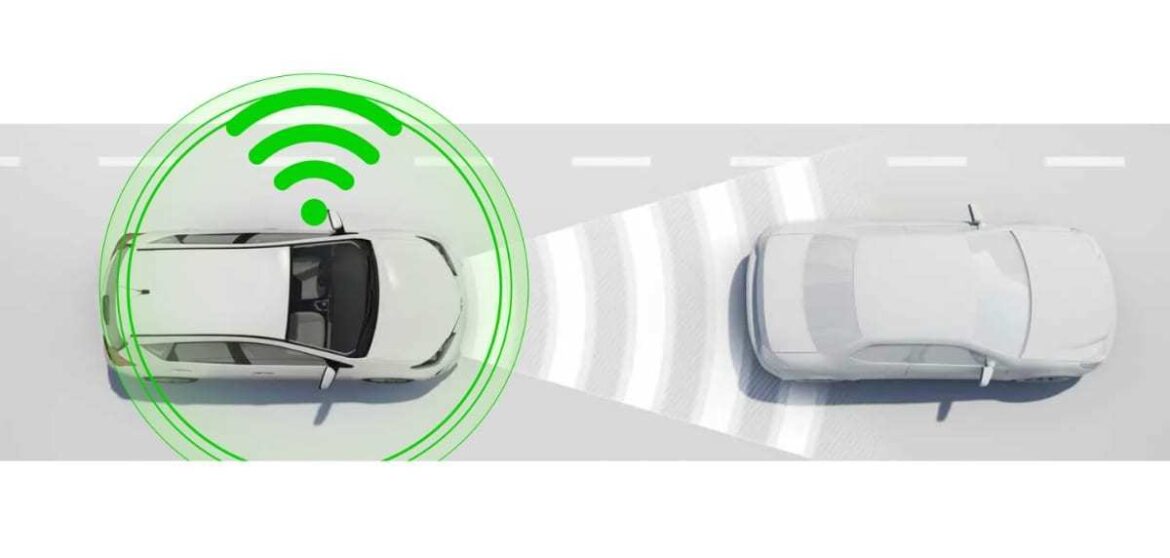
Acoustic Vehicle Alerting System (AVAS): Why Silent EVs Now Need a Safety Voice
Electric vehicles are known for their quiet motors, and that silence is one of the biggest advantages of owning one. But what feels peaceful for drivers can actually be dangerous for pedestrians and cyclists, especially in busy urban areas like Dubai, Abu Dhabi, and Sharjah.
Imagine someone crossing a street near a mall or school. A gasoline vehicle is easy to notice because of its engine noise. But an EV? It could be just a few meters away and still completely silent. Safety experts realized this early on, which is why the Acoustic Vehicle Alerting System (AVAS) was introduced.
AVAS is now a key safety feature in modern EVs worldwide, and in the UAE, regulations are making it mandatory for all new electric vehicles.
In this blog, Drive UAE will explain what AVAS is, how it works, why it’s becoming essential, and what drivers and pedestrians should know about it.
What Is AVAS?
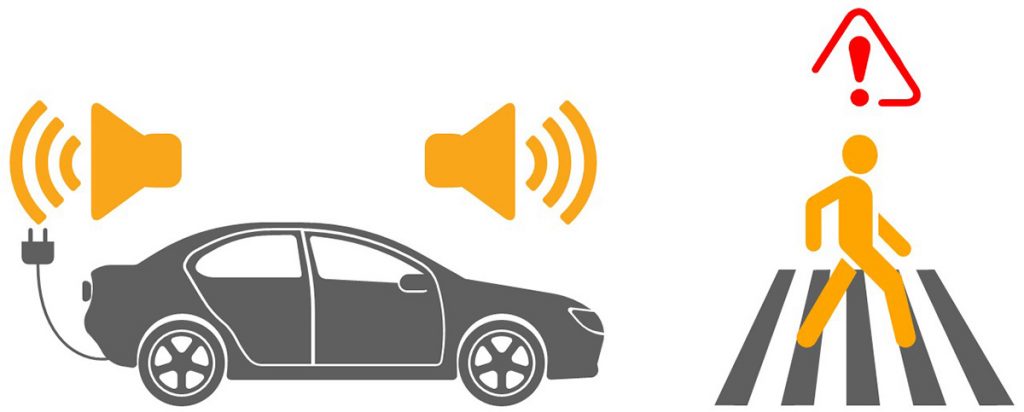
AVAS stands for Acoustic Vehicle Alerting System, a technology that generates artificial sound from electric and hybrid vehicles when they are traveling at low speeds.
Because EVs produce almost no engine noise below ~20–30 km/h, pedestrians with reduced hearing, children, and cyclists may not detect them in time. AVAS bridges that safety gap by creating a warning sound without affecting the EV’s natural quietness at higher speeds.
In other words: When the EV is too quiet to be heard, AVAS gives it a voice.
Why Do Electric Cars Need Noise?
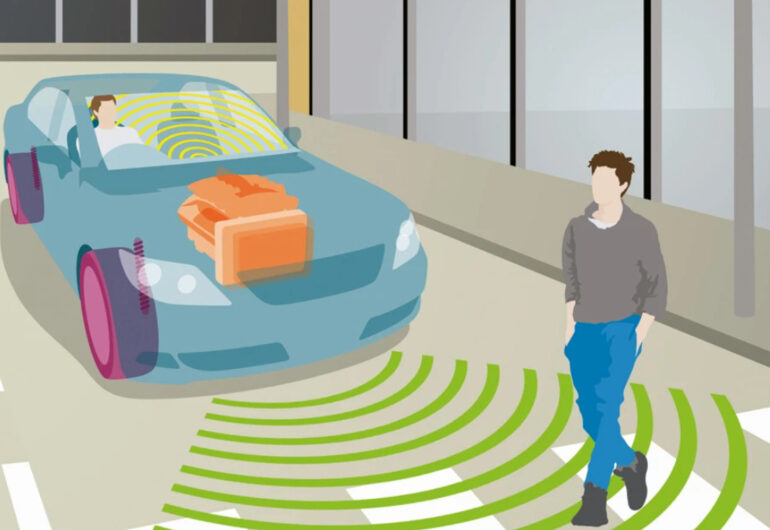
The silence of EVs, once marketed as a luxury feature, had unintended consequences. Safety studies found:
- Pedestrians were up to 40% more likely to be involved in an accident with an EV compared to a petrol car at low speeds.
- Vulnerable groups like visually impaired pedestrians faced the highest risk.
- Parking zones, residential communities, and underground garages became hotspots for close calls.
- Cities worldwide realized silence isn’t always golden.
That’s why authorities including the UAE’s Ministry of Industry and Advanced Technology, implemented sound regulation policies for EV safety.
How Does AVAS Work?
AVAS is quite simple yet smart:
- A speaker is installed outside the vehicle
- It emits a low-volume noise when driving under 20–30 km/h
- The sound changes as the car accelerates or reverses
- It turns off automatically above the speed threshold
Some systems also include:
- Directional audio (sound projected toward movement)
- Reverse tone different from forward motion
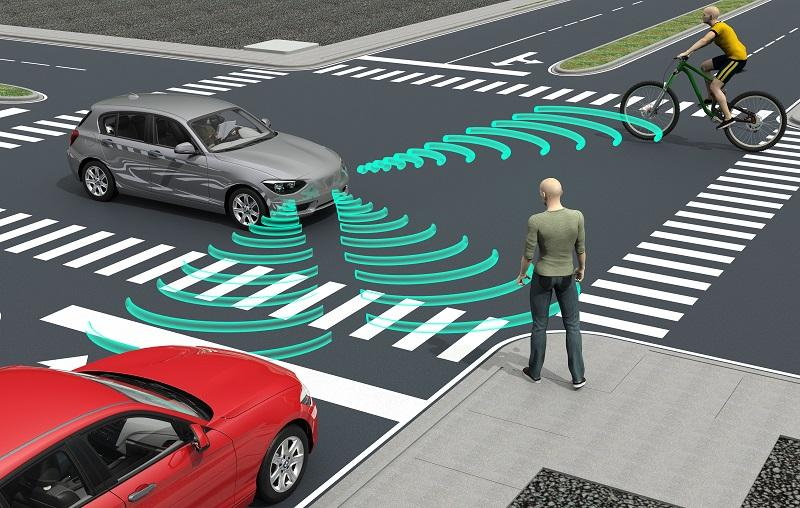
- Pedestrian-detect technology to increase volume when needed
The aim is to mimic the audible behavior of conventional vehicles, not annoy people with loud, unnecessary sounds.
What Does AVAS Sound Like?
Car brands design AVAS differently while meeting safety standards. Some stick to familiar engine-like hums, while others introduce futuristic tones to match their brand identity.
Examples:
- Tesla uses a sci-fi humming sound
- Nissan Leaf makes a “whirling” spaceship-like noise
- BMW collaborated with film composer Hans Zimmer for a premium sound experience
The key rules of AVAS sound design:
- Must be easily recognizable
- Must match speed and motion
- Must not be startling, distracting, or overly loud
In the UAE, AVAS volume must be loud enough to be heard clearly on streets but remain within noise pollution limits.

When Does AVAS Activate?
AVAS typically works:
- Forward driving under 20–30 km/h – AVAS Status: ON
- Reverse gear – AVAS Status: ON
- Parking maneuvers – AVAS Status:ON
- Highway speeds – AVAS Status: OFF
- Vehicle stopped – AVAS Status: OFF
It’s meant to enhance safety only when necessary, not disturb quiet EV travel.
Global Regulations: Where Is AVAS Mandatory?
Many countries already enforce mandatory AVAS for new EVs:
Region Status
- UAE: Required for new EV sales
- USA: Fully mandatory since 2020
- EU: Mandatory since 2019
- UK: Fully in effect post-2021
- Japan: First adopter, since 2010
The UAE’s transition to clean mobility includes safety innovations like AVAS to ensure EV adoption grows responsibly.
Benefits of AVAS
AVAS does more than just adding noise. It contributes to a safer and smarter transportation environment.
Improves Road Safety
- Helps pedestrians recognize moving vehicles
- Prevents parking lot and residential accidents
- Reduces risk for visually impaired individuals
Supports Smart City Initiatives
Cities like Dubai and Abu Dhabi are adding smart crossings and pedestrian sensors. AVAS fits perfectly into this evolving ecosystem.
Maintains Peace & Comfort
Noise levels are controlled, so neighborhoods don’t become louder unlike older combustion engines.
Enhances Brand Identity
Sounds can be part of a brand’s personality, think of it as the EV’s “signature sound.”
Can Drivers Turn AVAS Off?
In most countries including the UAE — No.
AVAS is a legally required safety system. A few models allow brief muting in private spaces, but only temporarily.
Tampering with it may:
- Violate safety laws
- Lead to failed vehicle inspection
- Void warranty or insurance coverage
So even if some drivers prefer silence, safety must always come first.
Does AVAS Annoy Other Road Users?
Proper AVAS shouldn’t be annoying. Sound engineers test:
- Directionality (projected forward instead of into homes)
- Frequency (detectable but not irritating)
- Volume control (increases only when needed)
Most pedestrians appreciate the extra awareness, especially in:
- Parking areas near malls
- School & hospital zones
- Tourist attractions with heavy foot traffic
- Night-time residential streets
It strikes a balance between silence and safe mobility.
What’s Next for AVAS? Future Innovations
As EV adoption grows, so will the sophistication of acoustic alerts. Future systems may include:
- AI-driven adaptive sound levels
- Vehicle-to-Pedestrian (V2P) communication
- Directional audio for cyclists
- Customizable but compliant tones
- Integration with AR smart glasses & hearing devices
Imagine a system that alerts a distracted mobile user through subtle cues, before they step into the street. That’s where mobility innovation is heading.
Final Thoughts
EVs are transforming transportation, quiet, clean, efficient mobility for everyone. But silence alone can’t ensure safety. AVAS adds the missing element, awareness.
To summarize:
EVs are too quiet at low speeds → pedestrians can’t hear them
AVAS creates smart artificial sound → reduces accident risks
It is now mandatory for new EVs in the UAE
It protects vulnerable road users without adding noise pollution
As the UAE accelerates toward a fully sustainable road future, technologies like AVAS prove that safety and progress go hand in hand.