

Broken Coil Spring Symptoms: How to Identify and Fix
If you suddenly feel like your car is bouncing more than usual, leaning in corners, or making strange noises when you drive over a bump, you might be dealing with a broken coil spring. Many drivers ignore suspension problems until they become a serious safety threat, and coil springs are one of the most commonly overlooked components.
In countries like the UAE, where speed bumps, heat, and uneven surfaces are part of daily roads, coil springs can wear out much faster. The good news is that you can easily catch the issue early if you know what signs to look for.
In this blog, Drive UAE will break down what coil springs do, the symptoms of failure, why the problem must be fixed quickly, and what repair options you have.
What Is a Coil Spring and Why Is It Important?
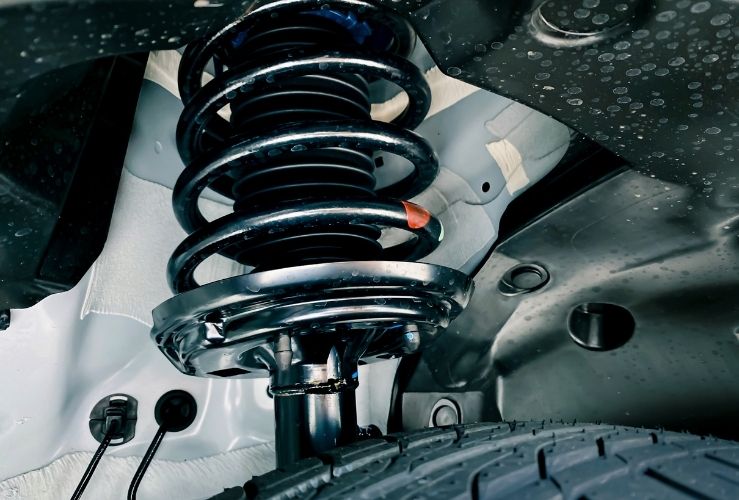
A coil spring is a metal component of your car’s suspension located near the wheels. It works along with the shocks or struts to:
- Absorb road impacts
- Maintain the correct ride height
- Stabilize the vehicle during turns
- Keep tires firmly in contact with the road
Without healthy coil springs, the car cannot absorb bumps effectively, meaning every impact transfers directly into the cabin. Handling becomes unpredictable and safety drops sharply.
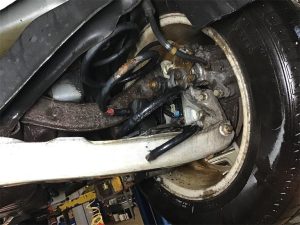
Top Symptoms of a Broken or Damaged Coil Spring
A failing coil spring does not always break instantly, sometimes the symptoms start slowly. Here are the most common warning signs:
1. Uneven Ride Height
One of the easiest symptoms to spot is when one corner of the car sits lower than the rest. Since coil springs support the vehicle’s weight, a broken or sagging spring causes imbalance.
You may notice:
- The car looks tilted when parked
- Drivers feel like they are sitting lower on one side
- Ground clearance decreases on the affected side
If ignored, this imbalance stresses other suspension parts and accelerates tire damage.
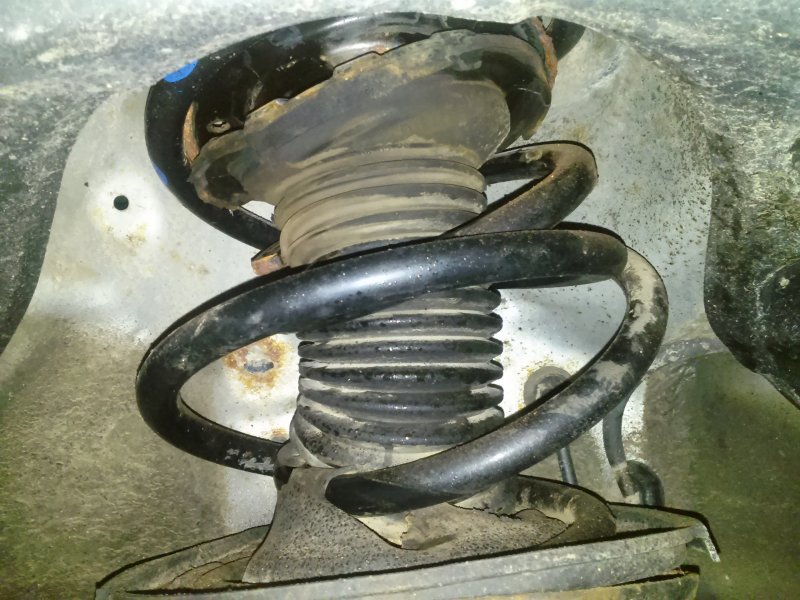
2. Clunking or Knocking Sounds Over Bumps
A broken spring cannot cushion road impacts properly. So whenever you drive over:
- Speed bumps
- Potholes
- Driveway curbs
You may hear a sharp metal-on-metal clunking or rattling noise. This noise indicates spring pieces are shifting or rubbing where they should not.
If you hear this frequently, get your suspension checked immediately.
3. Poor Handling and Excessive Body Roll
A healthy coil spring keeps the car stable when turning. A broken spring causes:
- Too much swaying in corners
- Difficulty keeping the car in a straight line
- Steering that feels loose or less responsive
This is especially risky at highway speeds where sudden turns could cause a loss of control.
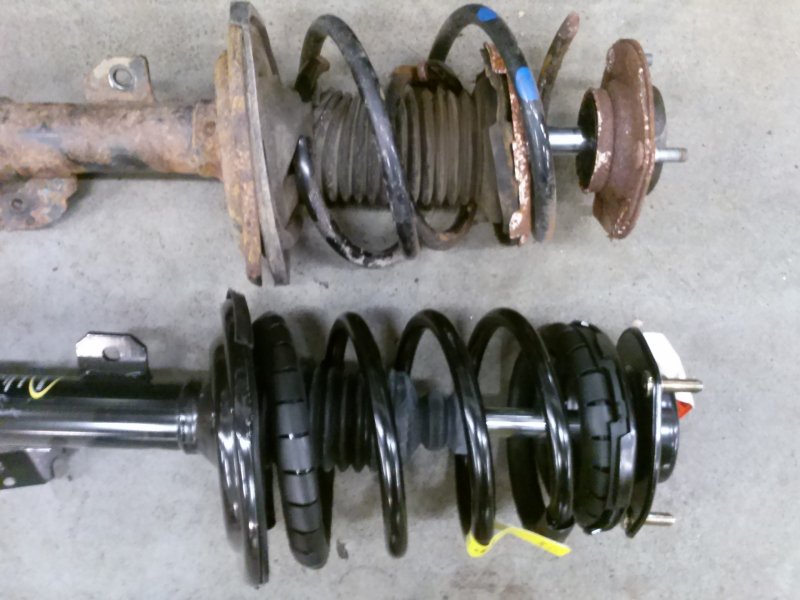
4. Steering Pull or Misalignment
If your car suddenly starts pulling to one side, suspension height imbalance may be the reason. Misalignment makes driving uncomfortable and increases driver stress. It can also drastically reduce tire life.
Even after wheel alignment, the issue returns unless the spring is fixed.
5. Excessive Vibration and Harsh Ride
When coil springs fail, the shock absorbers alone cannot handle road impacts. You will feel:
- More vibration in the steering wheel
- Harder bumps inside the cabin
- Rough and shaky driving
This is a clear sign the suspension is not distributing weight properly.
6. Uneven Tire Wear
Broken coil springs push uneven pressure onto tires. This leads to:
- Rapid inside or outside edge tire wear
- Bald spots
- Noisy and unsafe tires
Replacing tires without addressing the spring issue creates a repeating repair cycle.
7. Visible Damage to the Spring
Sometimes the problem is visible straight away:
- Part of the coil appears snapped
- Rusty flakes fall from the spring
- The spring is seated out of place
If you see any visible crack or broken piece near the wheel area, park the car and avoid driving until inspected.

What Causes a Coil Spring to Fail?
Coil springs are built to last many years, but several factors can shorten their lifespan:
| Cause | Effect |
| Metal fatigue (age) | Weakens spring strength |
| Corrosion / rust | Causes cracks and breakage |
| Carrying heavy loads | Overstretches suspension |
| Hitting speed bumps too fast | Sudden shock can snap springs |
| Poor road conditions | Increased stress on suspension |
| Manufacturing defects | Rare but possible |
Salt exposure (common near coastal areas) can also speed up corrosion.
Is It Safe to Drive With a Broken Coil Spring?
The short answer: No.
Driving with a broken spring can lead to:
- Loss of control in emergency maneuvers
- Increased stopping distance
- Tire blowout from rubbing against spring pieces
- Extra damage to shocks, ball joints, and other suspension parts
Instead of paying for only a spring replacement, you might end up replacing multiple components if you delay the repair.
Your safety, and the safety of passengers, is not worth the risk.
How to Diagnose a Broken Coil Spring
Here are quick checks you can do at home:
✔ Park the car on level ground and observe if one side is lower
✔ Push down on each corner of the car and feel for abnormal rebound
✔ Listen for clunking or rattling over bumps
✔ Check wheels for uneven gaps in wheel well
✔ Peek through the wheel to check for visible cracks
However, some damage is only noticeable during a lift inspection. A professional mechanic can:
- Perform a suspension test
- Check for full coil continuity
- Inspect related parts for damage
A proper workshop inspection ensures nothing is missed.
Repair and Replacement Options
When replacing coil springs:
- Always replace in pairs (both front or both rear)
- Use high-quality aftermarket or OEM parts
- Have a suspension specialist perform installation
Replacing only one spring might cause imbalance and faster wear.
After installation, wheel alignment is recommended to restore correct handling.
How to Prevent Coil Spring Damage
You can extend the life of your suspension with some simple habits:
- Slow down on speed bumps and rough roads
- Avoid constant overloading of the vehicle
- Wash under the car regularly to remove dirt and salt
- Schedule yearly suspension inspections
- Replace worn shocks to reduce stress on springs
A little care goes a long way, especially if you drive frequently in cities with uneven road surfaces.
FAQs About Broken Coil Springs
Here is what people ask mostly.
How long do coil springs last?
Typically 6 to 10 years depending on driving conditions and maintenance.
Which springs break more often, front or rear?
Front springs fail more due to increased engine weight, but rear springs can break on vehicles that carry heavy cargo.
Can I drive a short distance to the workshop?
Only if the car is still stable, but avoid highways and high speeds. If the spring is snapped and rubbing against the tire, use a tow service.
Final Thoughts
A broken coil spring is more than just an annoying noise or a bumpy ride, it directly affects your safety, handling, and car stability. The earlier you recognize the symptoms, the easier and cheaper the repair will be.
Ignoring suspension issues can lead to costly damage or dangerous driving situations. So if your car feels different; leaning, vibrating, clunking, or pulling, get your coil springs checked as soon as possible.
A healthy suspension system keeps your drive smooth, your tires healthy, and most importantly, keeps you safe every time you’re behind the wheel.