
Car Overheating in the UAE: Causes and Prevention
Driving in the UAE’s blazing heat is part of everyday life, but for your car, it’s a real test of endurance. The combination of soaring temperatures, long commutes, and heavy traffic can push your vehicle’s engine to its limits. One of the most common issues drivers face during these conditions is car overheating. It is a problem that if ignored can lead to costly repairs or even engine failure.
Whether you drive a compact sedan, a luxury SUV, or an electric vehicle, understanding why cars overheat and how to respond safely can make a huge difference.
Let’s go over the main causes, what to do if it happens, and how to prevent it altogether.
Why Cars Overheat in the UAE
Here is what you need to know.
1. Extreme Climate Conditions
The UAE’s desert environment is unforgiving. During summer, temperatures can climb above 50°C, and this heat doesn’t just make the cabin uncomfortable, it puts enormous stress on the engine. When a car operates in such conditions, the cooling system must work overtime to maintain the ideal engine temperature.
If you’re stuck in traffic with the air conditioner running at full blast, the engine temperature can rise rapidly because the radiator and fans are working harder than usual. Over time, this constant strain can lead to overheating.
2. Common Mechanical Causes
Aside from the weather, mechanical problems are often to blame.
Low coolant levels or leaks: Coolant circulates through the engine to absorb heat. A leak or shortage reduces its effectiveness.
Blocked radiator or damaged thermostat: Dirt, dust, and sand particles common on UAE roads can clog the radiator fins. Similarly, a faulty thermostat may fail to regulate coolant flow.
Broken water pump or fan belts: These components move coolant through the engine and help dissipate heat. If they fail, the temperature will quickly spike.
3. Driver Habits That Contribute
Sometimes, driver behavior plays a part. Ignoring temperature warnings on the dashboard, skipping scheduled maintenance, or running the AC while idling for long periods all increase the risk of overheating. Small habits can have a big impact on how well your car manages heat.
Early Warning Signs of an Overheating Car
Knowing the signs before it’s too late can prevent serious engine damage. Here’s what to watch for:
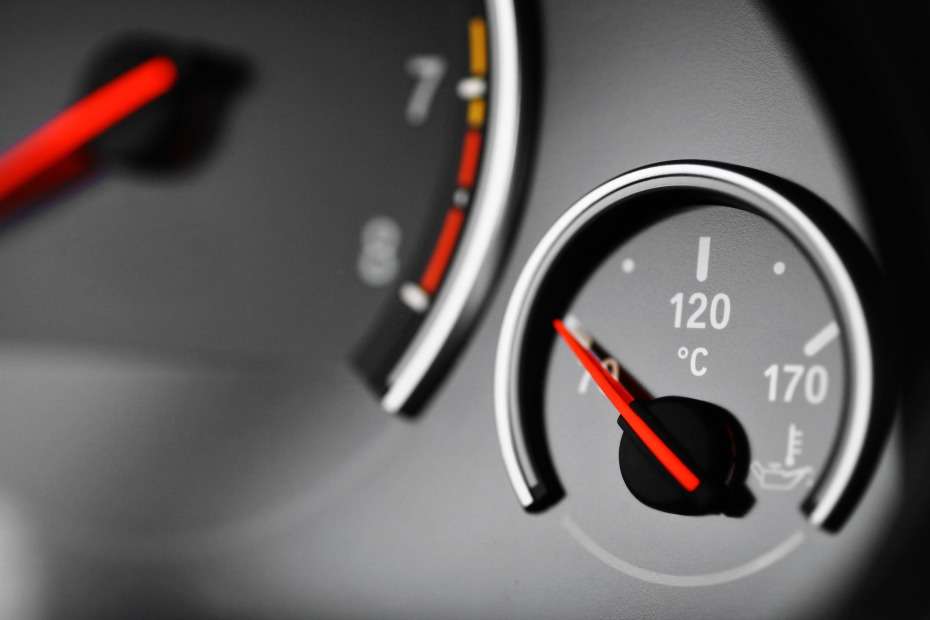
- The temperature gauge needle rising higher than usual.
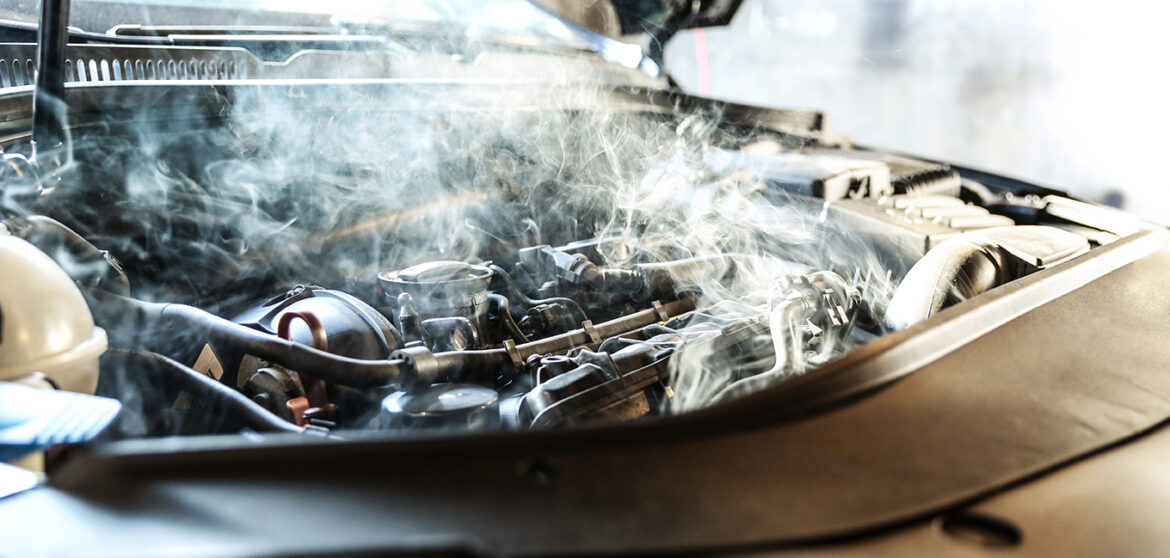
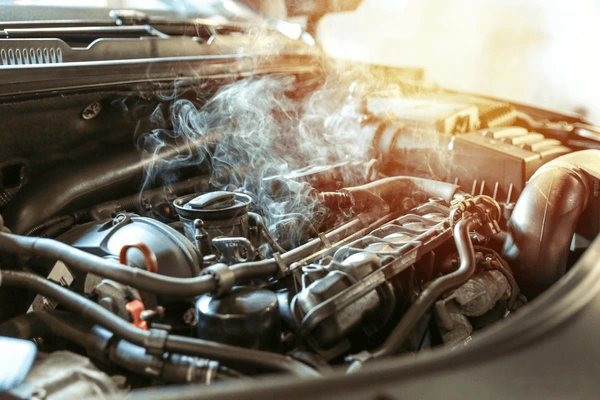
- Steam or smoke coming from under the bonnet.
- A sweet or burning smell, often caused by leaking coolant.
- The check engine or temperature warning light flashing on the dashboard.
- Sluggish acceleration or unusual engine sounds.
If any of these signs appear, act immediately. Continuing to drive could cause the head gasket to blow, one of the most expensive repairs a car owner can face.
What to Do Immediately When Your Car Overheats
Below is what you should do.
Step 1: Pull Over Safely
As soon as you notice the temperature rising, find a safe spot to pull over. Turn off the air conditioner to reduce engine strain, but leave the windows open to allow heat to escape. Never keep driving in hopes it will “cool down on its own,” it won’t.
Step 2: Turn Off the Engine
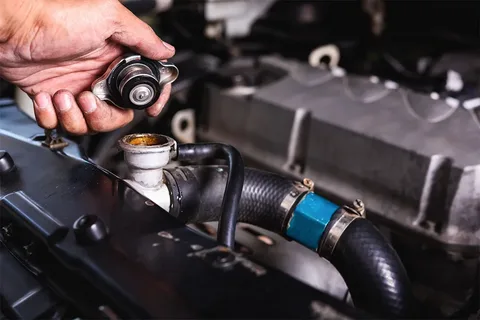
Switch off the engine completely and allow it to rest for at least 10–15 minutes. This pause helps cool the system naturally. Do not open the hood right away, as the steam or hot coolant can cause burns.
Step 3: Check Coolant Levels Carefully
After the engine has cooled, open the bonnet and inspect the coolant reservoir. If it’s low, refill it using coolant or water if coolant isn’t available. However, this is only a temporary fix, you’ll need to visit a mechanic soon to check for leaks or deeper issues.
Step 4: Restart and Observe
Once the temperature gauge has returned to normal, restart the engine gently. If the overheating light turns on again, stop immediately and call for roadside assistance.
Who to Call When You’re Stuck on the Road
If your car continues to overheat despite these steps, professional help is the safest option. In the UAE, several services can help:
- Dubai Police (999) for roadside safety and emergencies.
- Emirates Roadside Assistance or your car insurer’s breakdown service for towing and repairs.
- Many modern vehicles also come with built-in SOS or assistance systems that connect you directly to emergency services.
Avoid driving a car that’s overheated more than once in a short span, this can permanently damage the engine block.

Preventive Measures to Keep Your Car Cool
Follow the preventative measures below.
1. Regular Cooling System Maintenance
Routine checks go a long way. Inspect your coolant level every week, especially before long drives. Have your radiator flushed once a year to remove old coolant and debris. During servicing, ask your mechanic to check the belts, hoses, and radiator cap for signs of wear.
2. Smart Driving Habits
Adapting to the UAE’s environment means changing a few habits:
- Avoid idling with the AC on for long periods.
- Use shaded parking spaces whenever possible.
- Don’t overload your car, as extra weight makes the engine work harder.
If you must drive during peak heat hours, plan shorter routes and avoid heavy traffic when possible.

3. Using Technology and Smart Alerts
Modern vehicles, especially from brands like Toyota, Tesla, and BMW, feature built-in heat sensors that send early alerts about cooling issues. Make sure to pay attention to these notifications and schedule service right away if they appear.

Long-Term Tips for UAE Drivers
Owning a car in the UAE requires more than just routine maintenance, it demands awareness of the unique climate.
Here are a few extra steps to keep your car protected year-round:
- Keep an emergency roadside kit in your trunk with coolant, gloves, and basic tools.
- Schedule preventive servicing before summer begins.
- Clean the radiator and air vents regularly to ensure proper airflow.
- Educate family members or visiting friends about handling a car in extreme temperatures, especially if they’re new to UAE driving conditions.
Conclusion
Car overheating is not just a minor inconvenience, it’s a serious safety and maintenance concern. In the UAE’s extreme heat, even a small oversight can escalate quickly. The good news is that with regular checks, responsible driving habits, and quick action in emergencies, most overheating problems are completely preventable.
The next time your car’s temperature gauge starts climbing, remember: stay calm, pull over safely, and follow the right steps. Your quick response could save your engine and your wallet.
If your car has been showing repeated signs of overheating, it’s time for a professional inspection. Book a service appointment with a trusted mechanic or authorized workshop before the heat gets the better of your vehicle.