
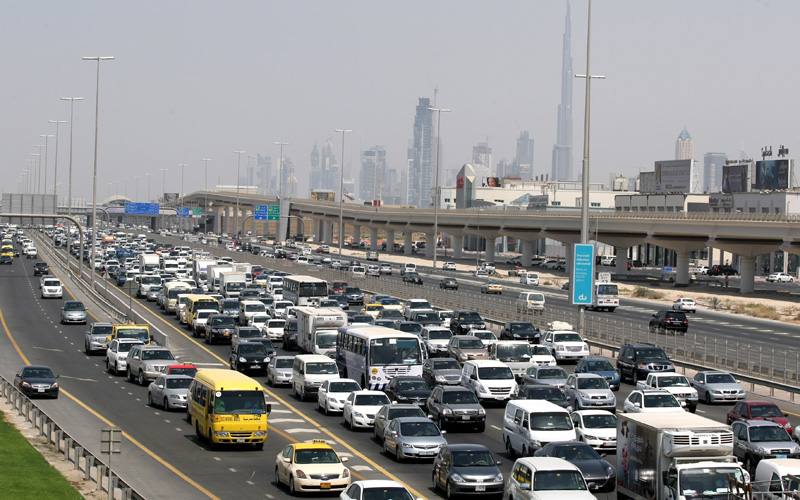
Complete Guide to Traffic Rules, and Tourist Restrictions
Driving in Dubai can feel exciting, especially if you’re visiting the city for the first time. Smooth highways, well-marked signs, and modern transport systems make it easy to move around. But Dubai also has strict rules, heavy surveillance, and clear expectations for every driver on the road including tourists. Whether you’re renting a car for a day or planning a full holiday road trip, understanding these rules keeps you safe and helps you avoid unwanted fines.
This guide by Drive UAE breaks down Dubai’s road rules in simple words, so you can drive confidently and enjoy exploring the city without any stress.
Essential Road Safety Habits in Dubai
Here is what you should know.
Avoid distractions at all times
The first thing every visitor needs to know is that Dubai takes distracted driving very seriously. Using your phone behind the wheel, whether to text, check a map, or scroll—can get you fined. Even small distractions can be dangerous because UAE roads are fast and busy.
If you need to answer a call or set your navigation, always pull over safely.
Keep a safe driving distance
Dubai follows a simple rule: leave at least a 5-second gap between your car and the vehicle in front. This gives you enough time to react if the traffic suddenly slows down, which happens often on the city’s busy roads.
Understand lane discipline
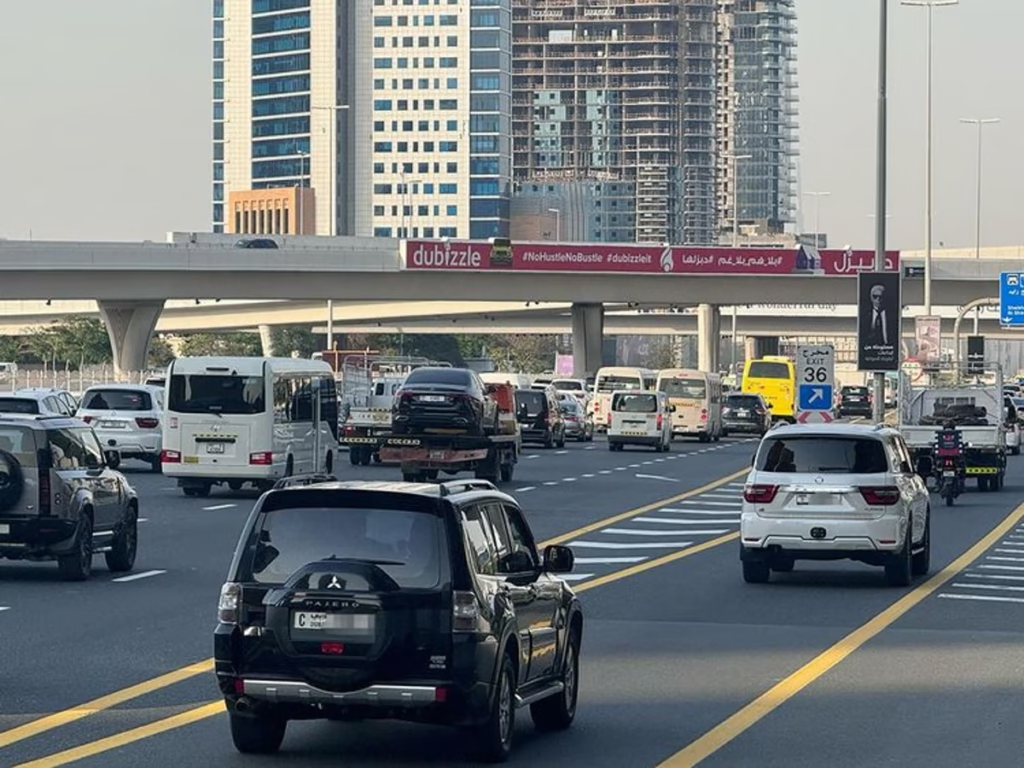
Dubai’s road system is designed to keep traffic flowing smoothly. The leftmost lane is the fastest one, and it is often used by drivers who want to maintain the upper speed limit. As a visitor, it’s better to stay in the middle or right lanes unless you need to overtake.
Staying in the wrong lane or driving too slowly in the fast lane can lead to fines.
Give way to emergency vehicles
If you see an ambulance, fire truck, or police car with flashing lights, move aside instantly. Do not speed up, do not overtake, and do not drive close behind them. Dubai treats this as a major rule because emergency response time matters on busy roads.
Penalty points system
Dubai uses a black-point system for traffic violations. Each violation adds penalty points to your record. Reaching 24 black points can lead to a three-month driving license suspension. For tourists renting a car, the rental company receives the violation, and the fine is later charged to you.
Restrictions for International Driving License Holders
Driving in Dubai with an international license is allowed, but only if you fall under certain categories. Here’s what every tourist must know.
Tourists can drive with an international license
If you are visiting Dubai on a tourist visa, you can legally drive a rental car using:
- Your international driving license
- Your valid passport
This is enough for most short-term trips.
If you have a resident or golden visa
Once you receive a residence visa or golden visa, the rules change. You must apply for a UAE driving license, even if you hold an international permit.
Tourist restrictions
Visitors with a tourist visa can only drive:
- Rental cars
- Cars owned by first-degree relatives
You cannot legally drive a friend’s or colleague’s private vehicle.
Transit visa rules
If you’re on a transit visa, you will need approval from the insurance company before driving a rented car.

Always carry supporting documents
Tourists should always keep:
- Vehicle registration
- Insurance papers
- Passport
- Driving license (original)
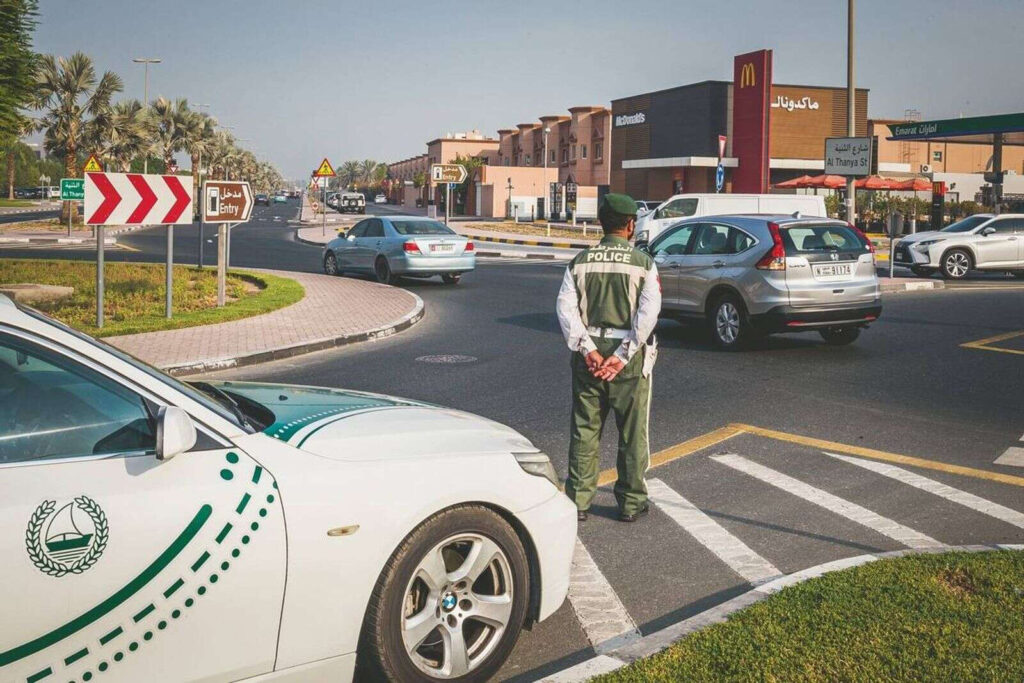
Police checkpoints are common, and having these documents makes everything easy.
Speed Limits Across Dubai
Dubai has very clear speed limits, and they are enforced through numerous speed cameras.
Highways
Speed limits on major highways such as Sheikh Zayed Road generally fall between 100–120 km/h.
Urban areas
Urban roads usually allow 60–80 km/h, depending on the area and traffic pattern.
Residential and smaller roads
Here, the speed limit is usually 40 km/h, making it safer for pedestrians and cyclists.
Dubai also removes the “grace margin” on some roads, meaning even small violations may result in fines. That’s why checking road signs regularly is important.
Rules for Passing, Turning, and Parking
Below is what you should know.
Passing rules
Dubai follows the same rule as many right-side driving countries:
- Drive on the right
- Overtake on the left
Before changing lanes, check all mirrors and do a quick shoulder check. Always use indicators clearly, you’ll notice Dubai drivers depend heavily on them to understand each other’s movements.
Turning rules
Turning right on a red light is not always allowed. If you see a yield sign or a clear instruction to stop, wait for the green.
For turns:
- Only use dedicated turning lanes
- Do not attempt U-turns in areas without a marked U-turn section
Dubai’s road signs help you navigate easily, so follow them carefully.
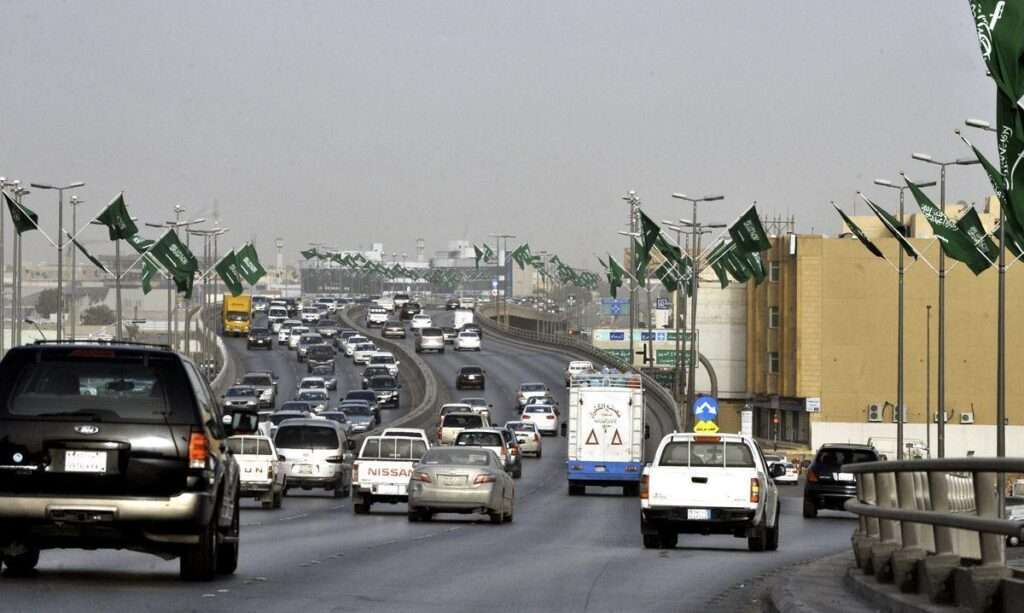
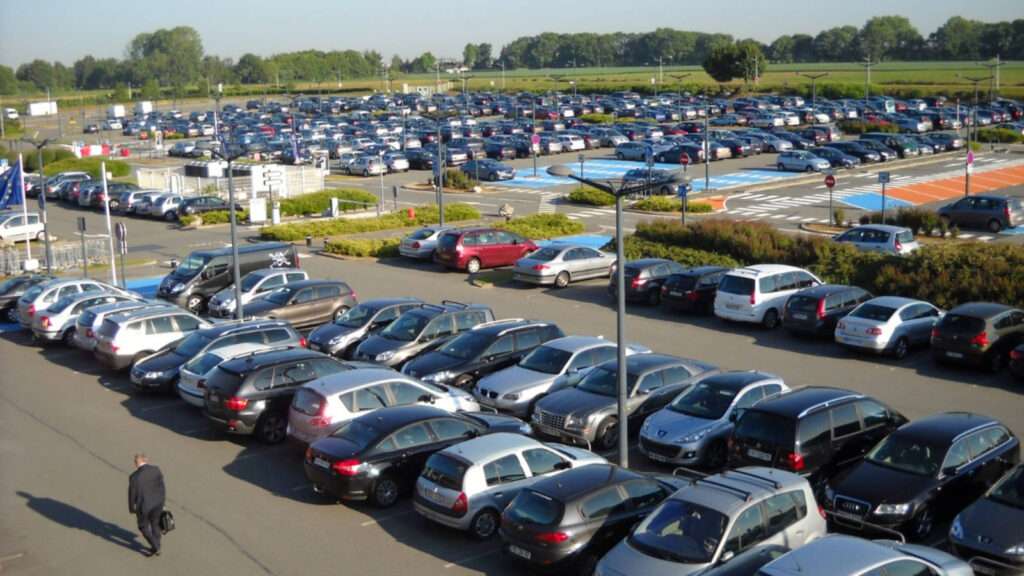
Parking rules
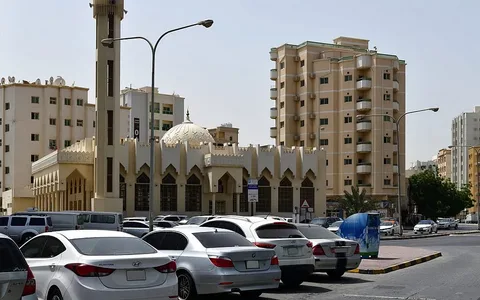
Avoid parking where curbs are painted black and yellow, as these spots are restricted.
In the city centre, street parking is common. You can pay using:
- Parking meters
- Dubai parking mobile apps
If you choose a private parking garage, keep the ticket safe to avoid penalties.
Right of Way Rules in Dubai
Dubai has clear right-of-way rules that help reduce confusion on busy roads:
- Pedestrians always have the right of way at zebra crossings.
- At T-junctions, vehicles on the main road have priority.
- If you are exiting a parking spot, give way to the cars already on the road.
- At junctions without traffic signals, the vehicle that arrives first goes first.
- Always give way to ambulances, police, and military convoys.
Understanding these rules makes driving smoother and safer for everyone.
Toll System in Dubai (Salik)
Dubai uses an electronic toll system called Salik, which makes highway travel quick and hassle-free.
How it works
You stick a Salik tag on the inside of your windshield. When you pass a toll gate, the tag is scanned, and your account is charged automatically.
Roads with toll gates
Here are the major routes with Salik tolls:
- Sheikh Zayed Road
- Al Ittihad Street
- Al Garhoud Bridge
- Beirut Street
- Al Maktoum Bridge
Tourists can buy a temporary Salik card for convenience.

Emergency Numbers and Useful Apps
If you ever face an emergency on the road, help is only a call, or an app, away.
Emergency numbers
- Police: 999 or 112
- Ambulance: 998 or 112
- Fire department: 997 or 112
DCAS SOS App
This app helps emergency services locate you instantly by sharing your exact coordinates.
Conclusion
Dubai’s roads are some of the safest and most advanced in the region. Renting a car gives you the freedom to explore the city at your own pace, but knowing the rules is key to a smooth experience.
Take time to understand the local driving habits, follow the road signs, and respect all traffic laws. Once you do, navigating Dubai becomes simple, enjoyable, and stress-free, whether you’re touring landmarks or heading out for a desert adventure