
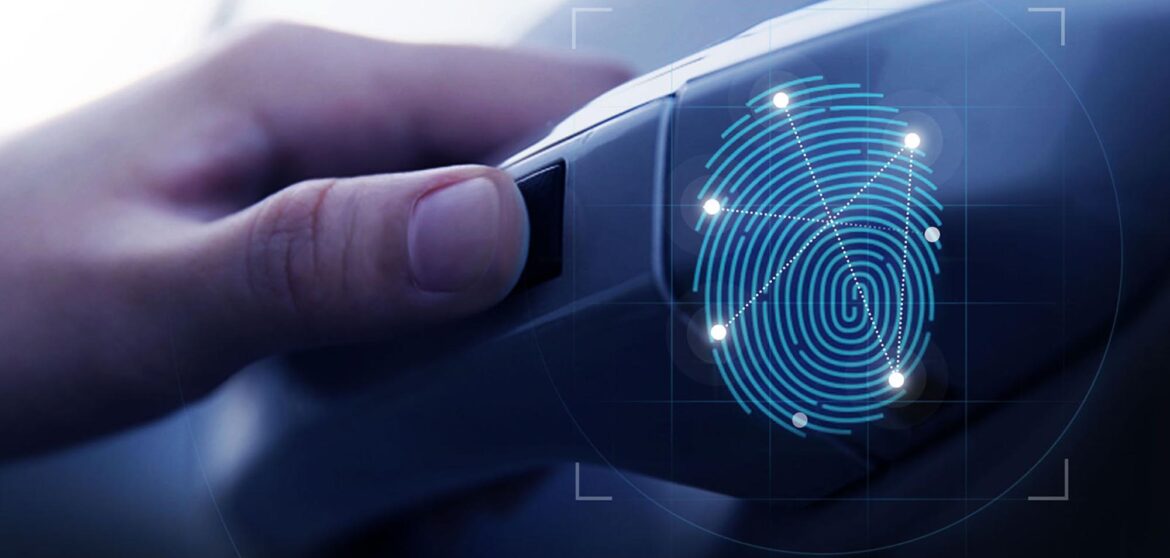
How Biometrics Will Redefine the Connected Car Experience
The automotive world is changing faster than ever. From electric vehicles to AI-powered driving systems, cars are no longer just about engines and wheels, they are becoming intelligent companions. One of the biggest leaps in this transformation is biometric technology.
Biometrics, once limited to smartphones and airport security, is now reshaping how we drive, unlock, and personalize our cars. In the UAE and across the GCC, where innovation drives lifestyle, biometric integration in cars is fast becoming a defining feature of the luxury and connected car market. It promises more security, comfort, and personalization, giving drivers a smarter and safer experience on the road.
What Are Biometrics in Cars?
Biometrics in vehicles refer to systems that use a driver’s unique biological traits, like fingerprints, facial features, iris patterns, or even heartbeat, to identify them. Instead of relying on keys or fobs, your car could recognize you.
Imagine walking up to your car, and as soon as it scans your face or fingerprint, it unlocks, adjusts the seat, tunes your preferred radio station, and sets the AC to your ideal temperature. That’s not science fiction anymore, it’s the future automakers are building today.
This technology moves beyond convenience. It enhances security, reduces the risk of theft, and adds a deeply personal touch to every drive.
Key Ways Biometrics Will Enhance the Connected Car Experience
Here is what you should know.
1. Personalized Driver Profiles
Every driver has unique preferences, from seat position to steering response. With biometrics, cars can instantly recognize who’s behind the wheel and automatically adjust to their profile.
- Seat, mirrors, and steering adjust to your saved position.
- Infotainment system loads your favorite playlists or contacts.
- Climate control and lighting shift to your comfort level.
This means no more fumbling with settings after someone else drives your car. For families or shared cars, biometric recognition makes switching drivers effortless.
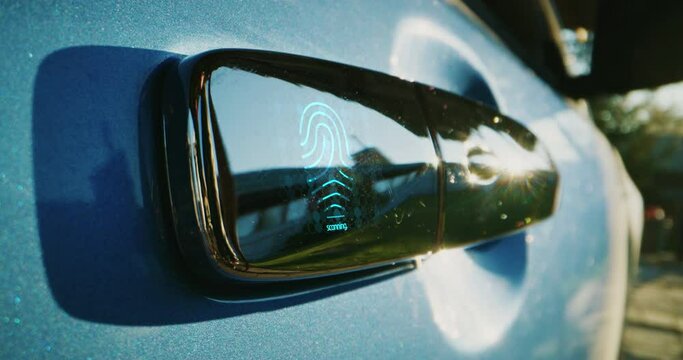
2. Enhanced Security and Anti-Theft Protection
Security is one of the biggest advantages of biometric systems. Traditional keys can be lost, stolen, or cloned, but your biometric data can’t be duplicated easily.
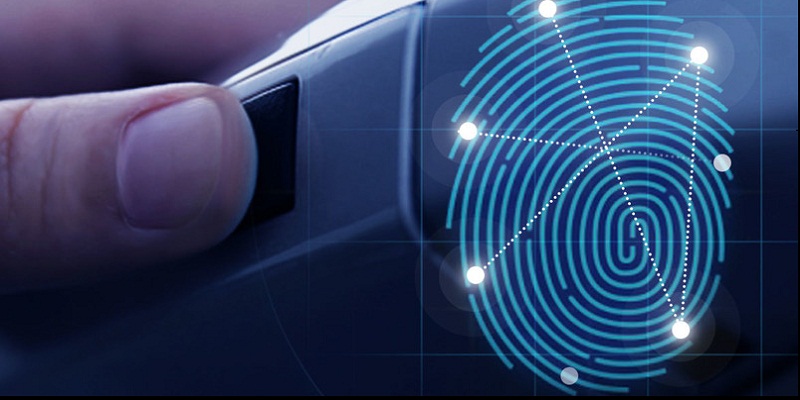
Many upcoming models use fingerprint ignition, where the car starts only after recognizing an authorized user. Facial recognition cameras can detect who’s attempting to access the car, and some systems can even disable the engine if an unauthorized person tries to start it.
For owners of high-end vehicles in the UAE, where car theft or misuse can be costly, this feature provides extra peace of mind.
3. Health and Safety Monitoring
Biometrics go beyond identification. Advanced systems can also track your health and alertness.
- Sensors in the steering wheel or seat can detect heart rate and stress levels.
- Facial tracking can identify drowsiness or distraction.
- If the driver shows signs of fatigue, the system can issue alerts or slow the car safely.
These features can save lives. In regions with long highways like the UAE, fatigue-related incidents are common. By monitoring physical signs, cars equipped with biometrics can step in before accidents occur, a major leap forward in road safety.
Seamless Payments and In-Car Transactions
As connected cars evolve, they are becoming mobile wallets on wheels. With biometric verification, drivers can make secure payments without physical cards or phones.
- Pay for fuel, tolls, or parking through fingerprint or facial recognition.
- Authorize subscription services directly from the infotainment system.
- Confirm car-related expenses through encrypted biometric data.
For example, a driver can pull into a petrol station, refuel, and pay automatically after a fingerprint scan, no wallet or phone needed.
How Automakers Are Using Biometrics Already
Several car manufacturers are already testing or rolling out biometric features:
- Tesla has integrated facial recognition for driver identification and security.
- Hyundai introduced fingerprint-based ignition and door unlocking.
- BMW and Mercedes-Benz are exploring biometric wellness features that adjust cabin lighting and temperature to reduce stress.
- Toyota is working on emotion-detecting systems that sense the driver’s mood and respond accordingly.
These technologies are not limited to luxury brands. As costs decrease, biometrics will likely appear in mainstream cars too, especially in tech-forward regions like the UAE, where customers value innovation and smart functionality.
The Role of Data Security and Privacy
While biometrics make driving more convenient and safe, they also raise questions about data privacy. After all, biometric information is personal and highly sensitive.
Automakers are addressing this by:
- Encrypting biometric data so it cannot be stolen or copied.
- Storing data locally in the car instead of cloud servers to reduce risks.
- Ensuring user consent, allowing drivers to opt in or out of certain features.
In the UAE, strict data protection laws align with international standards, requiring companies to maintain confidentiality and obtain user permission before collecting biometric data.
Security, therefore, is not just about protecting the car but also about safeguarding the driver’s identity.
Challenges in Biometric Integration
Despite its advantages, biometric technology still faces practical hurdles before becoming universal.
- Climate sensitivity: Extreme heat in the UAE can affect sensor performance, especially on windshields or steering areas.
- Cost: Installing reliable biometric systems adds to the vehicle’s price.
- Accuracy: Dirt, lighting, or facial obstructions can interfere with recognition.
- Privacy concerns: Some drivers hesitate to share biometric data with manufacturers.
However, continuous advancements in sensor design and AI are helping overcome these barriers. The key lies in making the technology fast, reliable, and trustworthy.
Future Outlook: The Road Ahead for Biometric Cars
The future of connected cars is deeply tied to human experience, and biometrics bridge that connection perfectly. As vehicles evolve into intelligent companions, biometrics will play a key role in personalization, safety, and seamless connectivity.
Here’s what’s next:
- Integration with AI and IoT: Cars will communicate with smart homes and phones using biometric verification.
- Fleet and rideshare applications: Companies can monitor authorized drivers, improving security.
- Predictive maintenance and driver behavior tracking: Systems will learn patterns to offer proactive safety recommendations.
In a few years, the car may not just recognize you, it might also understand how you feel, how you drive, and when you need help.
For a region like the UAE, where luxury, safety, and innovation drive the automotive market, biometric systems fit naturally into the country’s vision of smarter mobility.
Conclusion
Biometrics are redefining what it means to drive a “smart car.” They don’t just add gadgets, they bring a human touch to technology. From instant access to real-time health monitoring and advanced theft protection, the benefits are practical and profound.
As the UAE continues to lead in adopting connected mobility solutions, biometrics will likely become a common feature in premium and even mid-range cars. The future of driving isn’t just automated, it’s personalized, intelligent, and secure.
Looking to experience the next level of automotive innovation? Explore high-tech, luxury, and connected vehicles with Drive UAE, your trusted destination for modern car rentals in Dubai.