
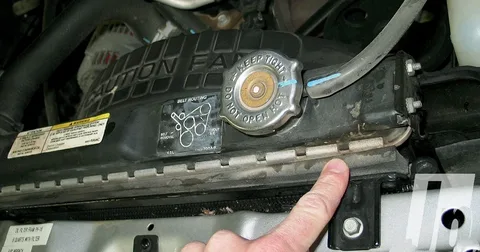
How to Identify and Fix Radiator Leaks: Guide for Car Owners
A radiator leak may start small, but if ignored, it can quickly turn into engine overheating, costly repairs, or even complete engine failure. Whether you drive daily in city traffic or take long highway trips, a healthy cooling system is critical for your car’s performance and reliability.
This guide explains how to identify radiator leaks early, understand their common causes, and fix them correctly. Everything is explained in simple terms, with practical advice that works for modern vehicles and hot driving conditions like those found in the UAE.
Why Radiator Leaks Are a Serious Problem
Your radiator plays a key role in controlling engine temperature. It circulates coolant to absorb heat from the engine and releases it through airflow. When a leak develops, coolant levels drop, heat builds up, and the engine starts to overheat.
In hot climates, this problem escalates faster. Even a small leak can lead to:
- Engine overheating
- Blown head gasket
- Warped engine components
- Sudden breakdowns in traffic
Catching a leak early saves time, money, and stress.
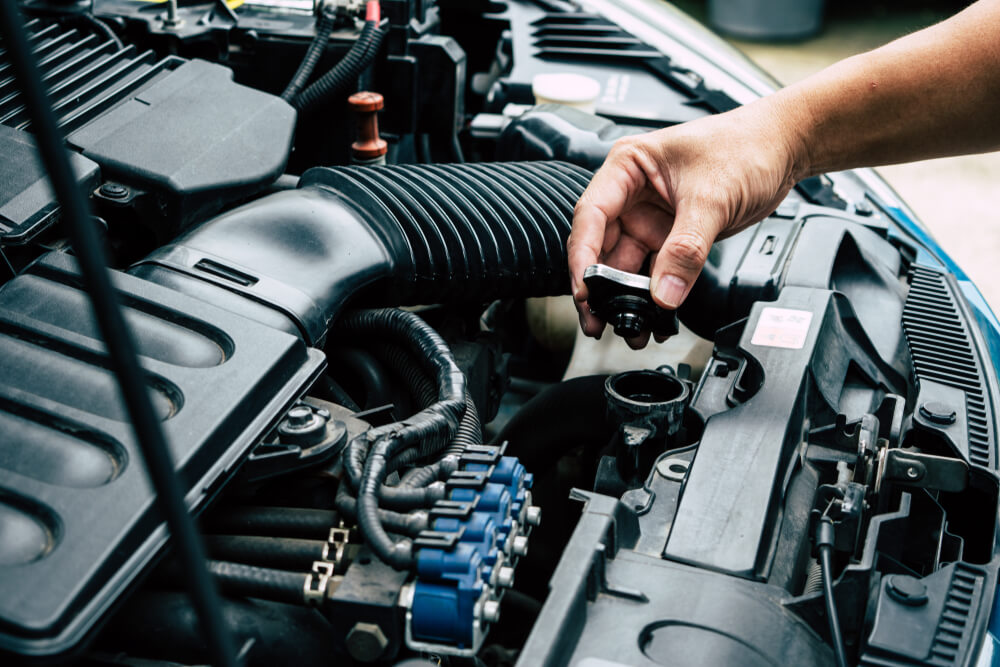
Common Signs of a Radiator Leak
Radiator leaks do not always show obvious symptoms right away. Knowing what to look for helps you act before damage occurs.
Low Coolant Warning Light: Many modern cars have a coolant level sensor. If the warning light comes on frequently, it often points to a leak.
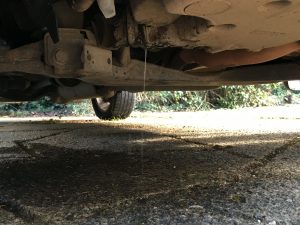
Visible Coolant Under the Car: Coolant usually appears as a bright green, orange, pink, or blue liquid under the front of the vehicle. If you notice puddles after parking, inspect further.
Engine Overheating: A rising temperature gauge is a major red flag. If your engine overheats even once, stop driving and check the cooling system.
Sweet Smell from the Engine Bay: Coolant has a sweet smell. If you notice this while driving or after parking, it could be leaking onto hot engine parts.
Steam from the Hood: Steam or smoke from under the hood often means coolant is leaking onto a hot surface.
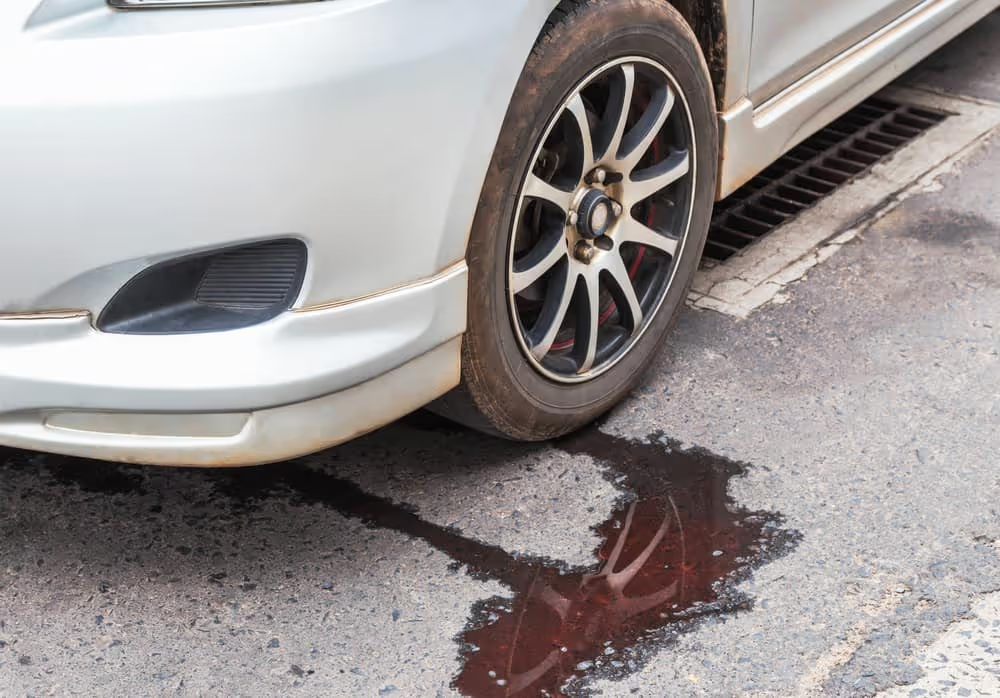
Most Common Causes of Radiator Leaks
Understanding what causes leaks makes them easier to prevent.
Corrosion and Rust: Over time, radiators can corrode from inside due to old or contaminated coolant. This creates tiny holes that slowly leak.
Cracked Plastic Tanks: Many modern radiators use plastic end tanks. Extreme heat and age can cause them to crack.
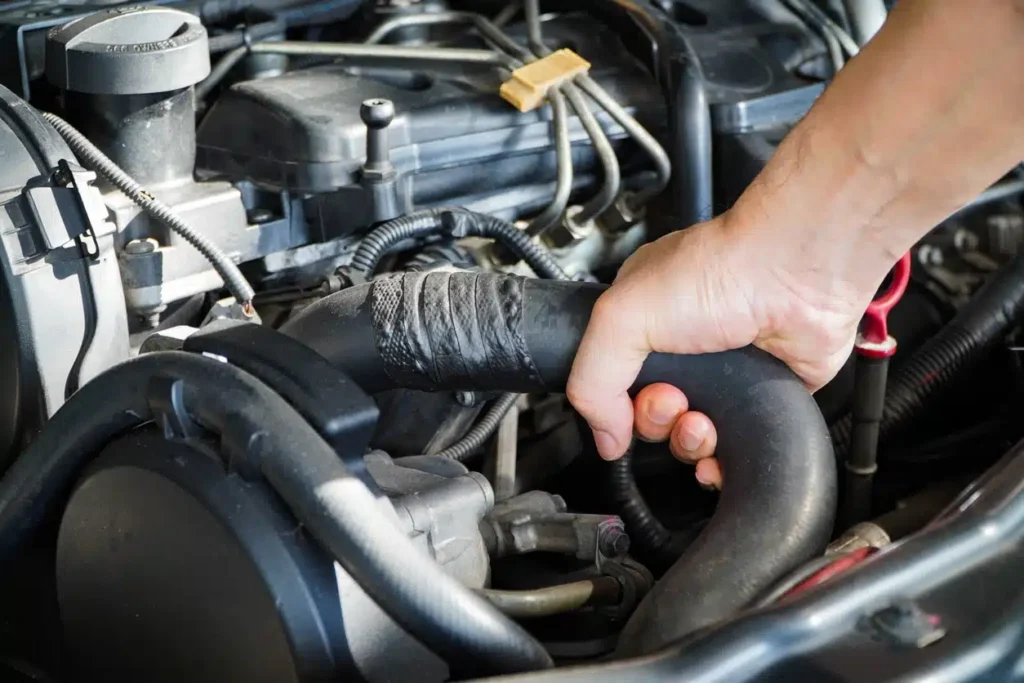
Damaged Radiator Hoses: Hoses can become brittle, swollen, or cracked, leading to leaks near the radiator connection.
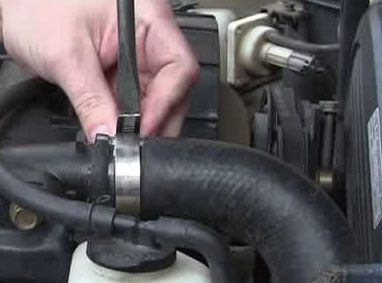
Loose or Worn Hose Clamps: A simple loose clamp can cause coolant seepage, especially after long drives.
Physical Damage: Road debris, stones, or minor accidents can puncture the radiator fins or core.
Faulty Radiator Cap: A worn cap may fail to maintain pressure, causing coolant to escape through overflow.
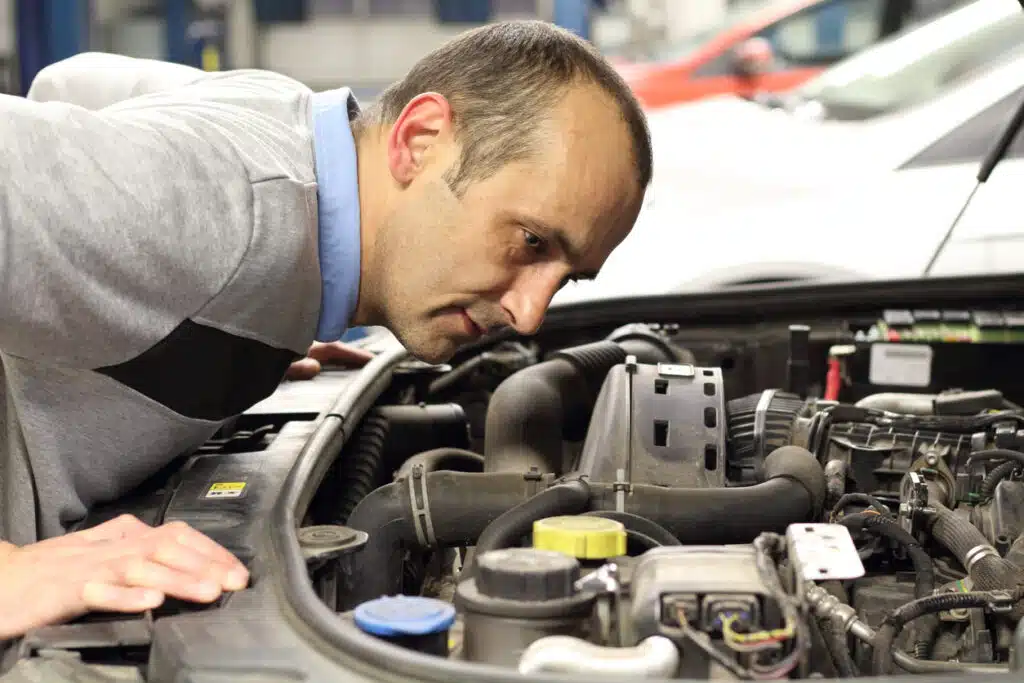
How to Identify the Exact Source of the Leak
Finding the precise leak location is important before attempting a fix.
Visual Inspection
With the engine cool, open the hood and check:
- Radiator seams
- Hose connections
- Radiator cap area
- Bottom of the radiator
Look for wet spots or dried coolant residue.
Pressure Testing
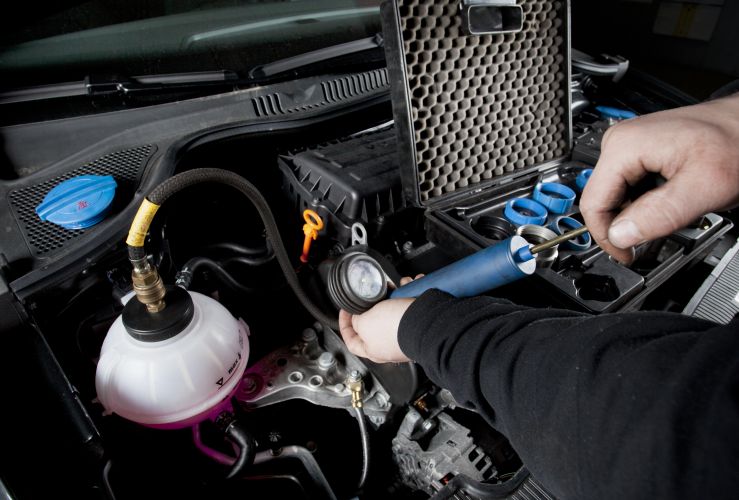
A radiator pressure test pumps air into the system to reveal leaks. This is one of the most reliable diagnostic methods and is often done at workshops.
UV Dye Test
Special dye added to the coolant glows under UV light, making even small leaks easy to spot.
Check After Driving
Leaks sometimes appear only when the engine is hot and under pressure. Inspect again after a short drive.
Temporary Fixes for Radiator Leaks
Temporary fixes can help you reach a workshop safely, but they are not long-term solutions.
Radiator Sealant
Sealant products can plug very small leaks from inside the radiator. These work best for hairline cracks, not major damage.
Epoxy or Resin Repair
For visible cracks in plastic tanks, high-temperature epoxy can provide short-term relief.
Tightening Hose Clamps
If the leak comes from a hose joint, tightening or replacing the clamp may stop it.
Emergency Coolant Top-Up
Adding coolant or distilled water can prevent overheating temporarily, but does not fix the leak.
These solutions should only be used to prevent immediate breakdown, not as permanent repairs.
Permanent Solutions for Radiator Leaks
For lasting results, proper repair or replacement is essential.
Hose Replacement: If the leak is in a hose, replacing it is usually inexpensive and effective.
Radiator Repair: Small metal radiator leaks can sometimes be welded or soldered by specialists.
Radiator Replacement: Cracked plastic tanks, heavy corrosion, or multiple leaks usually require full radiator replacement. This ensures reliability and safety.
Radiator Cap Replacement: If pressure loss is the issue, a new cap is a quick and affordable fix.
A professional inspection helps determine the most cost-effective option.
Can You Drive with a Radiator Leak?
Driving with a radiator leak is risky, especially in warm weather.
Short-distance driving may be possible if:
- The leak is very minor
- Coolant levels are closely monitored
- The temperature gauge stays normal
However, continued driving can cause sudden overheating and severe engine damage. It is always safer to fix the issue immediately.
Preventing Radiator Leaks in the Future
Preventive maintenance is the best defense against cooling system problems.
- Regular Coolant Changes
Old coolant loses corrosion protection. Follow the manufacturer’s replacement schedule.
- Inspect Hoses Periodically
Look for cracks, bulges, or softness in hoses, especially before summer.
- Keep the Radiator Clean
Dust, sand, and debris reduce cooling efficiency and accelerate wear.
- Use the Correct Coolant
Mixing incompatible coolants can cause internal corrosion and leaks.
- Watch the Temperature Gauge
Never ignore unusual temperature changes, even if they return to normal.
Radiator Leak Repair Costs
Costs vary depending on the severity of the issue.
Typical ranges include:
- Hose replacement: Low cost
- Radiator cap: Very affordable
- Minor repair: Moderate cost
- Full radiator replacement: Higher cost but long-term solution
Addressing the problem early usually keeps repair costs manageable.
When to Visit a Professional Workshop
You should seek professional help if:
- The leak source is unclear
- The engine overheats repeatedly
- Coolant loss is rapid
- Temporary fixes do not hold
Modern vehicles have complex cooling systems, and professional diagnostics prevent misdiagnosis.
Final Thoughts
Radiator leaks are one of the most common but preventable car problems. By learning how to identify early warning signs, understanding the causes, and choosing the right repair approach, you protect your engine and avoid expensive breakdowns.
Regular inspections, proper coolant maintenance, and timely repairs make a huge difference, especially in demanding driving conditions. If you ever suspect a leak, act quickly. A small repair today can save your engine tomorrow.