How to Prevent Automatic, CVT, and Dual-Clutch Gearbox Failures
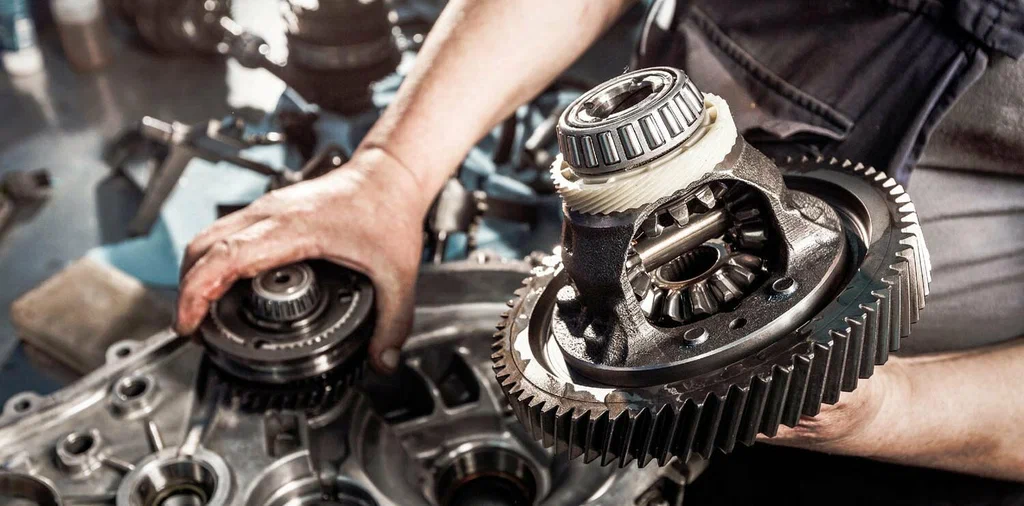
Your car’s transmission does one of the hardest jobs on the road. It transfers power from the engine to the wheels smoothly while adapting to speed, load, traffic, and driving style. In the UAE, where extreme heat, heavy traffic, and long highway drives are common, transmissions work even harder than usual.
Yet transmission servicing is often delayed or ignored because problems do not appear immediately. By the time symptoms show, repairs can be costly.
In this guide, Drive UAE explains how automatic, CVT, and dual-clutch gearboxes work, why they fail in UAE conditions, and how proper servicing can help you avoid expensive breakdowns.
Why Transmission Maintenance Matters More in the UAE
High ambient temperatures thin transmission fluid faster. Stop-and-go traffic increases internal heat. Long desert drives strain cooling systems. Together, these factors accelerate wear inside gearboxes.
Unlike engine issues, transmission problems usually develop quietly. Small delays in shifting or mild vibrations are often dismissed until the gearbox starts slipping or refusing to engage gears. Preventive servicing is the only reliable way to avoid failure.
Understanding the Three Main Transmission Types
Before discussing maintenance, it helps to understand how each system works and where problems usually begin.
Automatic Transmission (AT)
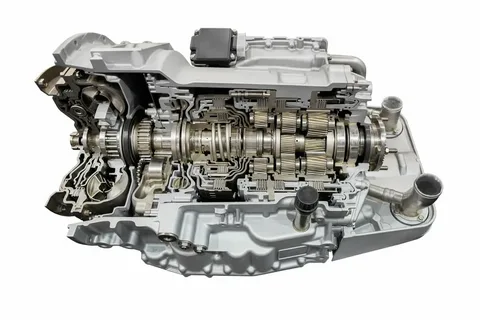
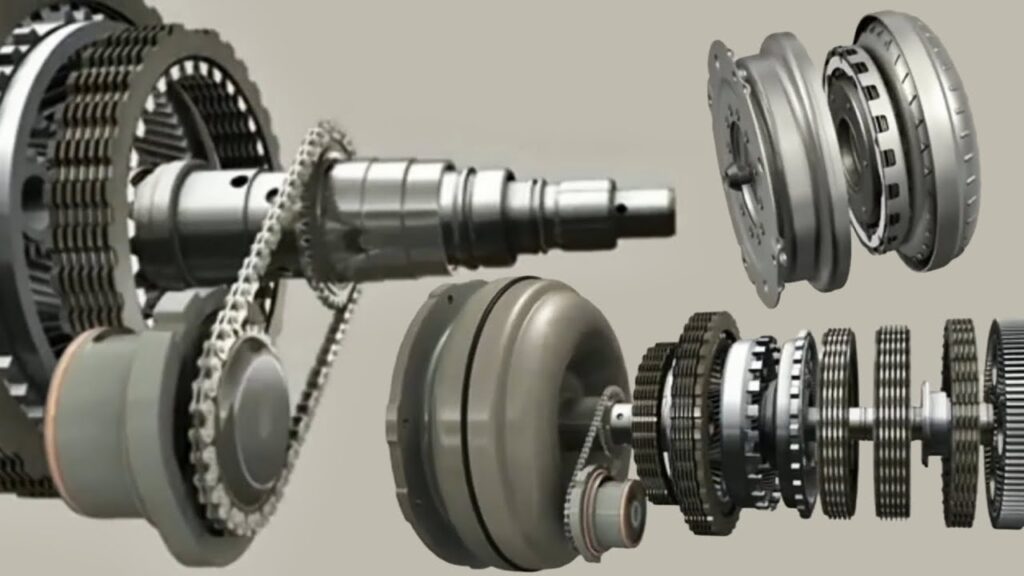
Traditional automatic transmissions use torque converters and planetary gearsets to shift gears smoothly. They are known for comfort and reliability when maintained correctly.
Common failure points include worn clutch packs, overheating fluid, and blocked valve bodies. In UAE conditions, overheating is the most common cause of automatic transmission damage.
Continuously Variable Transmission (CVT)
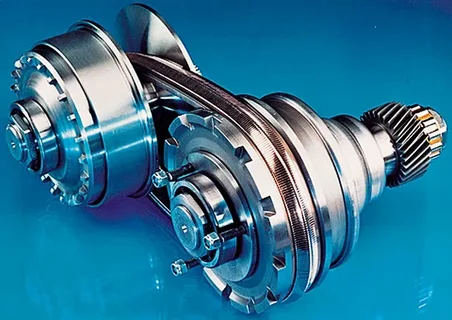
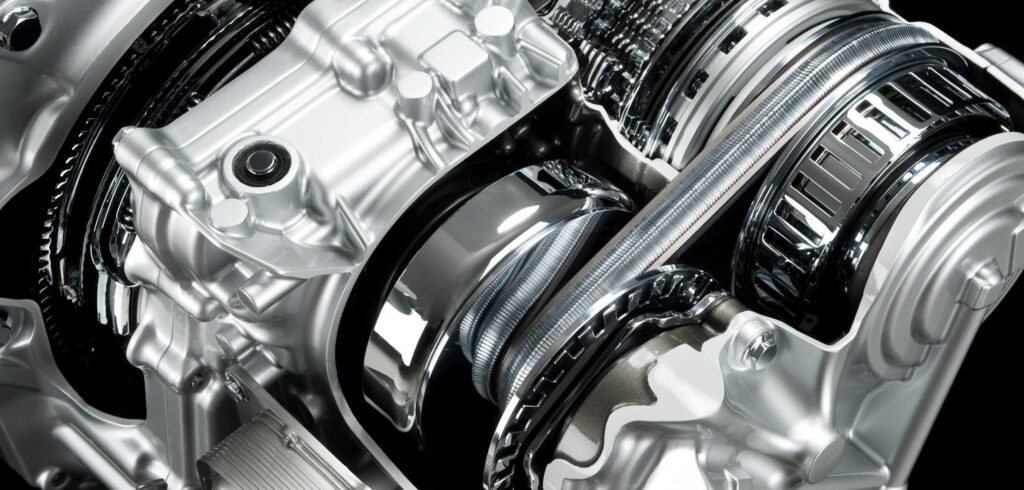
CVTs use belts or chains instead of fixed gears. They keep the engine at optimal RPM for efficiency and smooth acceleration.
CVTs are sensitive to fluid condition. Contaminated or degraded fluid causes belt slip, overheating, and internal wear. Aggressive driving and towing increase failure risk significantly.
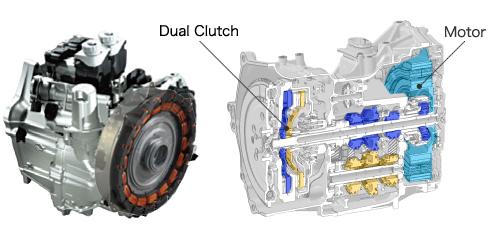
Dual-Clutch Transmission (DCT)
Dual-clutch gearboxes use two clutches to deliver fast, seamless gear changes. They are common in performance and premium vehicles.
Heat buildup, clutch wear, and software miscalibration are common issues. In traffic-heavy UAE cities, DCTs experience more clutch stress than expected.
Early Warning Signs You Should Never Ignore
Transmission problems rarely appear suddenly. Most failures give early signs that drivers often overlook.
- Delayed gear engagement when shifting from park to drive is an early red flag.
- Jerky or harsh gear changes suggest fluid degradation or valve body issues.
- Slipping gears during acceleration indicate internal clutch wear.
- Unusual noises like whining or grinding point to bearing or gear damage.
- Burning smells usually mean overheated transmission fluid.
- Dashboard warning lights related to transmission or drivetrain should never be ignored.
Catching these symptoms early can reduce repair costs dramatically.
Transmission Fluid: The Lifeline of Your Gearbox
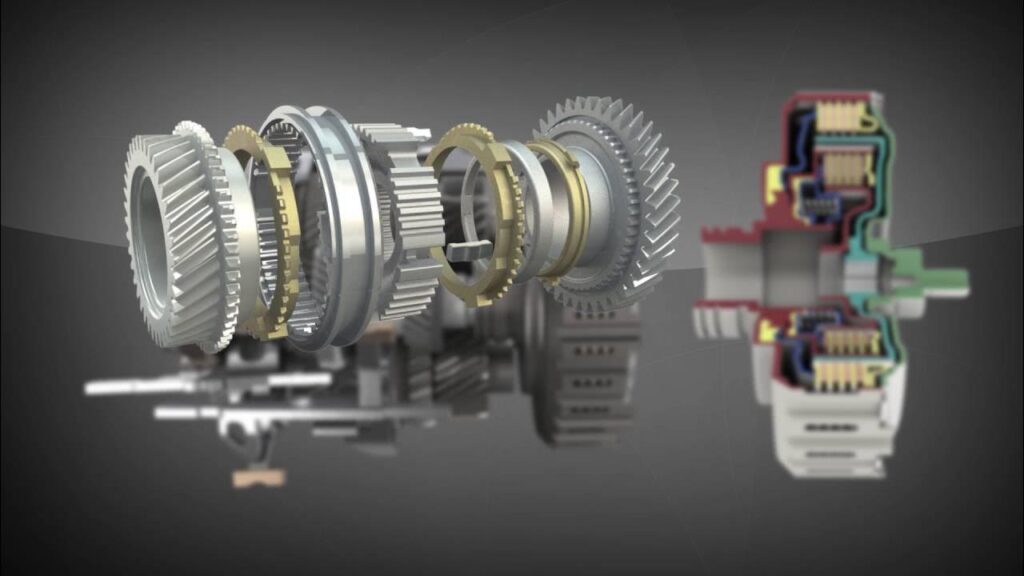
Transmission fluid does more than lubricate. It cools components, maintains hydraulic pressure, and protects internal surfaces from wear.
In UAE heat, transmission fluid breaks down faster than manufacturer estimates made for cooler climates. This makes regular fluid inspection essential, even in “sealed” transmissions.
Dark fluid, burnt smell, or metal particles are signs of internal wear. Once fluid loses its protective properties, damage accelerates quickly.
Recommended Service Intervals for UAE Driving Conditions
While manufacturers often suggest long service intervals, UAE conditions require a more cautious approach.
For automatic transmissions, fluid inspection every 20,000 km and replacement between 40,000 and 60,000 km is a safer range. CVTs benefit from fluid changes closer to 30,000 to 50,000 km, especially in city driving.
Dual-clutch systems require both fluid servicing and software checks. Clutch adaptation and calibration should be performed periodically to maintain smooth performance.
Always follow the correct fluid specification. Using the wrong fluid can cause immediate damage.
Why “Lifetime Fluid” Is a Risky Assumption
Many modern vehicles advertise lifetime transmission fluid. In reality, this term assumes ideal driving conditions that rarely exist in the UAE.
Heat, dust, and traffic shorten fluid life significantly. Waiting for failure before servicing usually results in full transmission replacement rather than simple maintenance.
Preventive fluid replacement is far cheaper than gearbox rebuilds.
Driving Habits That Protect Your Transmission
How you drive matters just as much as how you service.
Allow your car to warm up briefly before aggressive driving. Avoid sudden full-throttle acceleration when the vehicle is cold. Use proper gear modes when driving in sand or climbing steep inclines.
Avoid holding the car on slopes using throttle. Use brakes instead. In traffic, avoid constant rapid acceleration and braking, which overheats clutches and fluid.
When towing or carrying heavy loads, ensure your vehicle is rated for it and consider additional cooling support.
Cooling Systems and Their Role in Transmission Health
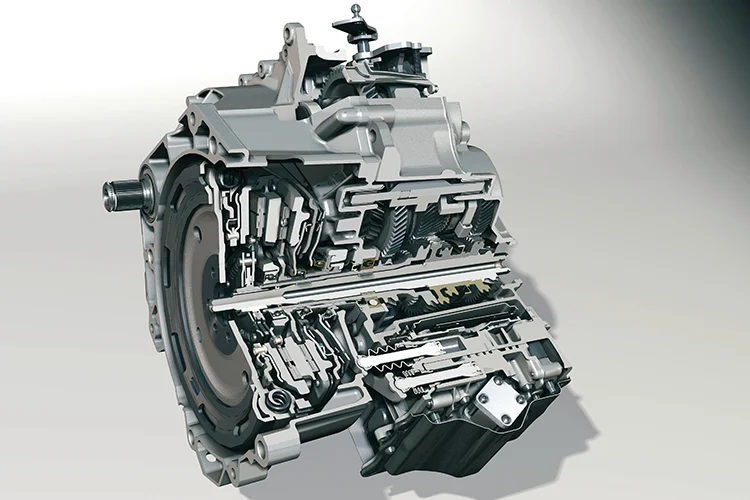
Many transmission failures in the UAE begin with overheating. Transmission coolers help regulate fluid temperature, but they can clog or fail over time.
Regular inspection of cooling lines and radiators helps prevent temperature spikes. In some cases, auxiliary transmission coolers are recommended for vehicles used heavily in urban traffic or long highway runs.
Keeping engine cooling systems healthy also supports transmission longevity.
Software Updates and Calibration Matter
Modern transmissions rely heavily on electronic control units. Software updates improve shift timing, clutch engagement, and heat management.
Ignoring software updates can cause harsh shifting, delayed response, or unnecessary wear. Specialist workshops with advanced diagnostic tools are better equipped to handle these updates than generic garages.
Choosing the Right Workshop for Transmission Service
Transmission servicing requires precision. Improper fluid levels, incorrect fluid types, or poor calibration can cause damage instead of preventing it.
Specialist workshops understand the specific needs of automatic, CVT, and dual-clutch systems. They use manufacturer-approved fluids, diagnostic tools, and service procedures.
Saving money by choosing inexperienced service providers often leads to higher costs later.
Cost of Prevention vs Cost of Failure
Routine transmission servicing costs a fraction of a full gearbox replacement. Fluid changes and inspections are predictable expenses. Transmission rebuilds are not.
In the UAE market, transmission condition also affects resale value significantly. Buyers avoid vehicles with shifting issues or incomplete service history.
Preventive maintenance protects both your car and your investment.
Final Thoughts: Treat Your Transmission as a Long-Term Asset
Automatic, CVT, and dual-clutch transmissions are engineering achievements designed to last when cared for properly. In the UAE’s demanding driving environment, proactive servicing is not optional, it is essential.
By understanding how your transmission works, recognizing early warning signs, using the right fluids, and servicing at sensible intervals, you can avoid costly failures and enjoy smoother driving for years.
A healthy transmission means better performance, safer driving, and stronger resale value. Regular care today saves major repairs tomorrow.