
Regenerative Braking in EVs: How It Saves Energy and Extends Driving Range
Electric vehicles are quickly becoming a popular choice in the UAE and across the GCC. Drivers love smooth performance, smart technology, and most importantly fuel savings. But one of the most underrated features that gives EVs their efficiency is regenerative braking.
If you’ve ever wondered why EVs can go farther in city traffic or how they save energy every time you slow down, the answer lies in this clever system.
So, let’s break it down in a simple and practical way.
What Is Regenerative Braking?
In a petrol or diesel car, stepping on the brakes creates friction that slows the car down. But all that energy is completely wasted as heat.
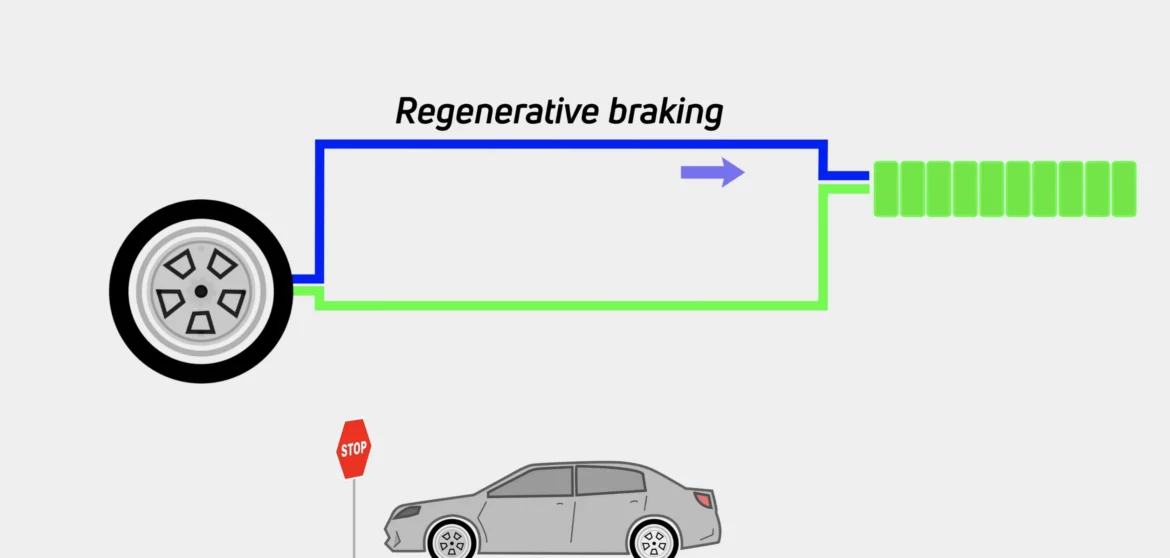
In an EV, the situation is very different. Instead of throwing energy away, regenerative braking captures a portion of it and reuses it. How?
- Because the electric motor acts like a generator during braking.
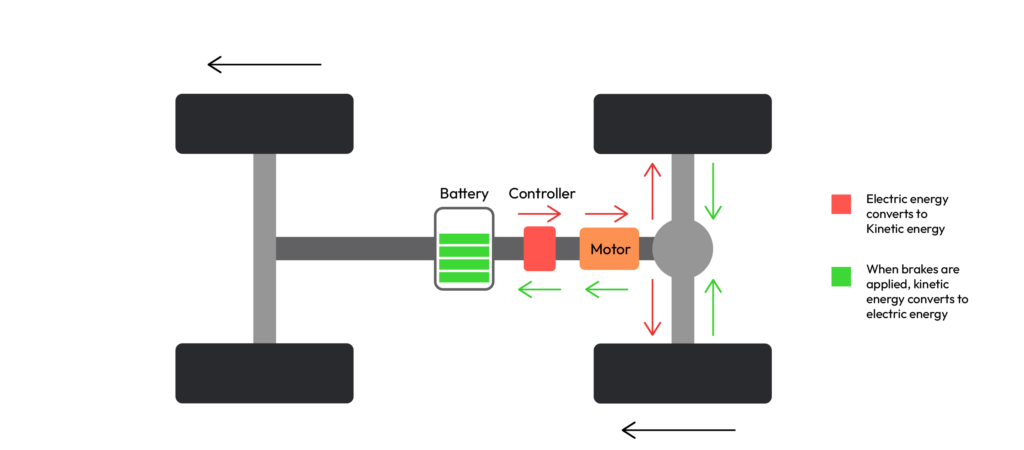
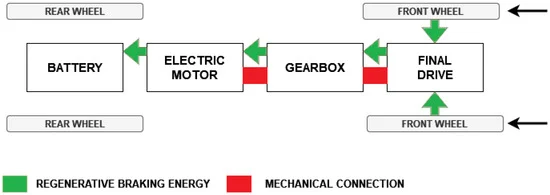
- The wheels spin the motor
- The motor converts kinetic energy into electrical energy
- The battery stores that energy for later use
So yes, you are charging the battery simply by slowing down.
This is why regenerative braking is one of the biggest efficiency advantages EVs have over traditional cars.
Why Traditional Brakes Waste Energy
To understand the benefit, imagine driving at 100 km/h. Your car holds a large amount of kinetic energy. When you brake in a gasoline car:
✔ The car slows down
✘ But the energy is lost as heat
✘ Brake parts wear out faster
Now imagine doing this over and over during your daily commute. All that potential energy could have powered kilometers of drive, but instead, it disappears.
This is where regenerative braking becomes a game-changer.
How Regenerative Braking Works
Here’s the step-by-step version of what happens in your EV:
- You lift your foot off the accelerator
- The car’s motor switches into “generator” mode
- The spinning wheels force the motor to create electricity
- That electricity flows back into the battery
- The car slows down naturally, without friction braking
It’s a clean and efficient cycle. You get a smooth deceleration while recovering energy that would otherwise be lost.
Many EV owners describe the feeling as engine braking or one-pedal driving, which we’ll talk about later.
How Much Energy Does It Really Save?
Regenerative braking doesn’t capture 100% of the energy, but it does save a significant amount, especially in stop-and-go traffic like Sheikh Zayed Road at peak hours.
Here’s what most manufacturers estimate:
- Up to 30% more driving range in city environments
- Up to 50% less wear on the brake pads and discs
- Better battery efficiency during daily commutes
- In the UAE, this can make a big difference because:
- Traffic often requires frequent braking
- Many EV drivers do short city trips instead of long highways
So regen braking can genuinely stretch your driving range, not just in theory, but in everyday use.
Different Levels of Regenerative Braking
Most modern EVs allow drivers to choose how strongly the regenerative braking kicks in. Here are the common modes you’ll find:
High Regeneration / One-Pedal Driving
- Car slows quickly when you release the accelerator
- Best for city driving and maximum energy recovery
- Drivers often barely use the brake pedal
Low Regeneration
- Car coasts more like a normal petrol car
- Ideal for highways where braking is less frequent
Adaptive Regeneration
The system adjusts automatically based on movement, sensors, and traffic conditions.
Some EVs like Tesla, Hyundai Ioniq, and Kia EV6 use smart regen modes that monitor downhill drives, traffic ahead, or even navigation data to optimize recovery.
Benefits of Regenerative Braking
Let’s sum up why EV owners love it:
Benefit Why It Matters
- More range, saves energy that helps you, travel farther per charge
- Lower long-term costs, less brake wear = fewer servicing expenses
- Smoother driving, gradual, comfortable slowdown
- Better for the environment, Reduces wasted energy and emissions
In simple words, regenerative braking gives you:
- Savings
- More battery efficiency
- A greener driving experience
When Regenerative Braking Doesn’t Work as Well
There are times when regen braking becomes less effective. Here’s what to expect:
- A Fully Charged Battery
If the battery is at 100%, there’s no room to store more energy, so regen braking stops temporarily.
- Cold Weather
Batteries don’t accept charge as easily when they are too cold. Good news for UAE drivers: this mostly affects colder climates.
- Emergency Braking
Rapid stops still require mechanical brakes for quick safety response.
So even though regen braking works often, friction brakes are still essential, just used much less.
How to Get the Most Out of Regenerative Braking
You can boost your energy recovery with just a few smart habits:
✔ Lift off the accelerator early instead of sudden braking
✔ Use high regen mode in city driving
✔ Drive smoothly, avoid rapid acceleration and harsh stops
✔ Plan ahead when approaching signals or traffic slowdowns
✔ Learn one-pedal driving, especially in Dubai traffic zones
If you’ve just switched from a petrol car, it may feel different at first, but soon, it becomes second nature.
Future of Regenerative Braking Technology
Regen braking is already impressive, but manufacturers are pushing the limits even further. The future will bring:
- AI-controlled braking that learns your driving habits
- Stronger regeneration using enhanced motors and battery chemistry
- Brake-by-wire systems that eliminate mechanical connection
- Dual-motor energy recovery with improved balance and safety
Autonomous driving will also rely heavily on smart braking systems like regenerative braking to maximize efficiency and safety.
Frequently Asked Questions
- Does regenerative braking wear out the battery faster?
No. It actually improves efficiency and reduces strain by giving small bursts of recovered energy.
- Does regen braking replace normal brakes?
Not fully. Mechanical brakes remain essential for emergencies and full stops.
- Why does regen braking feel different?
Because the car slows when you release the accelerator, it creates a driving style many find smoother once familiar.
Conclusion
Regenerative braking may sound like a small feature, but its impact on EV performance is huge. It helps:
- Boost driving range
- Reduce maintenance costs
- Improve energy efficiency
- Support UAE’s movement toward greener mobility
Every time you slow down, your EV becomes smarter, cleaner, and more efficient. So the next time you’re driving around Dubai Marina or cruising the streets of Abu Dhabi, remember, you’re charging your car simply by driving.
If you’re planning to switch to an electric vehicle soon, regenerative braking is one of the smartest reasons to make the move. It’s innovation working quietly in the background, making every drive count.