
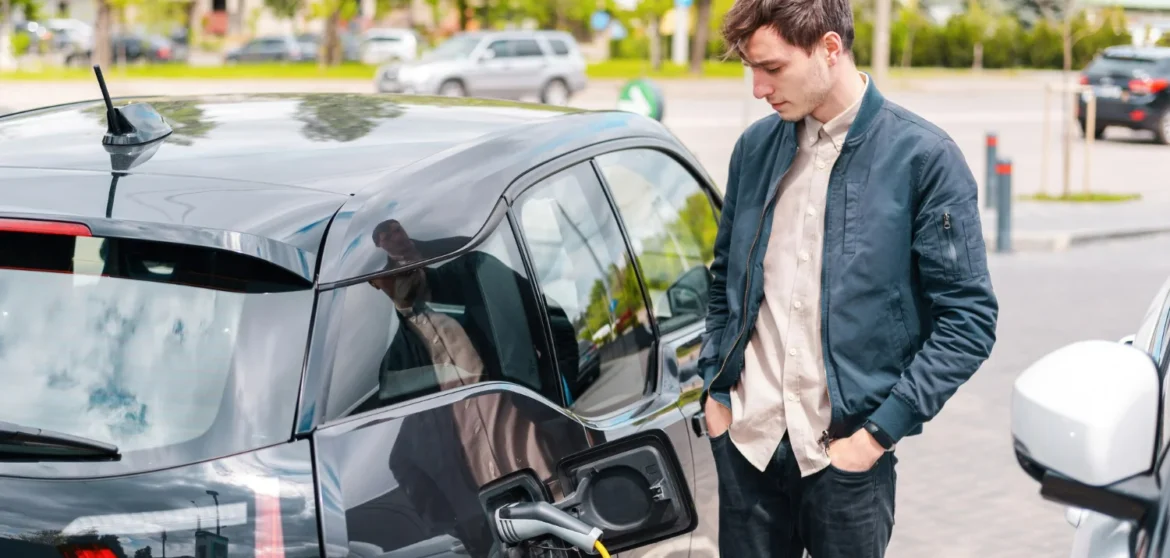
The Complete EV Safety Checklist Every Driver Should Know
Electric vehicles (EVs) have quickly become a popular choice in the UAE and around the world. They offer lower running costs, smooth silent performance, and zero tailpipe emissions, a perfect combination for daily city driving. However, owning and driving an EV also comes with a new set of safety considerations that traditional petrol car owners might not be familiar with.
Whether you already own an electric car or are planning to buy one soon, it’s important to understand how to keep your EV safe, efficient, and reliable. This EV Safety Checklist covers everything you need to know, from battery care and charging practices to maintenance, storage, and accident precautions.
Let’s dive in.
1. Battery Safety: The Heart of EV Protection
The battery pack is the most valuable and sensitive component of an electric car. Taking care of it should always be a top priority.
Here’s what to focus on:
- Avoid letting your battery drop below 20% often
- Try not to charge to 100% daily unless you are going on a long trip
- Do not expose your EV to extreme heat for long periods
- Keep thermal management systems active (especially in UAE summers)
Many EVs come with apps that allow remote monitoring of charging and battery temperatures. Use them regularly to ensure everything is functioning within safe limits.
Watch out for signs of battery issues:
- Rapid loss of range
- Strange chemical smell
- Overheating warnings on the dashboard
- Sudden power drops
If you notice any of these, get the battery inspected immediately.
2. Safe Charging Practices
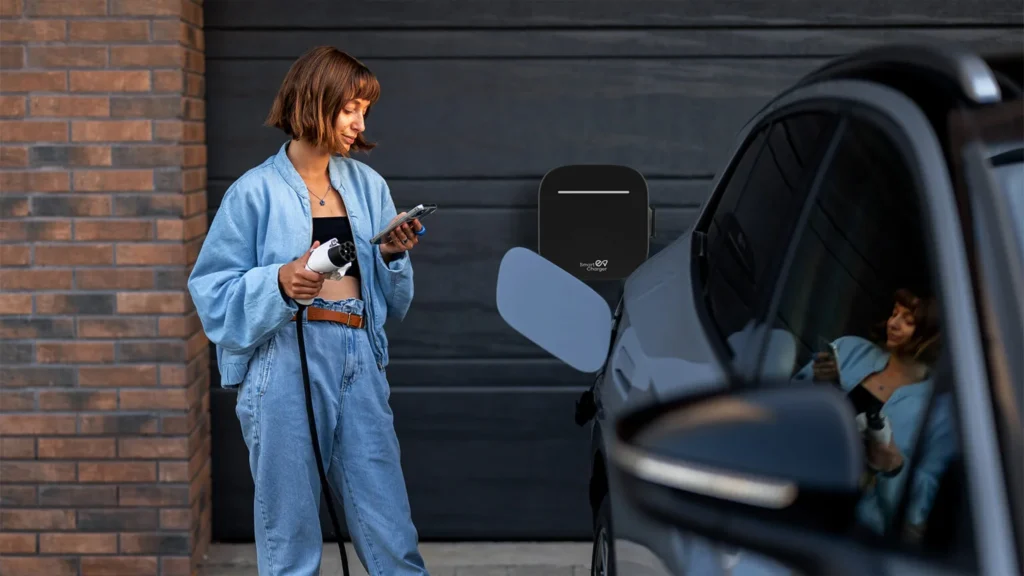
Charging safety is a crucial part of EV ownership. The good news? Most modern EVs are built with multiple layers of protection. Still, following best practices improves safety and extends the life of the battery.
Smart charging habits include:
✔ Always use approved chargers and cables
✔ Install a certified home charging station (if charging at home)
✔ Avoid using old or damaged power outlets with portable chargers
✔ Keep charger connections clean and dry
✔ Do not daisy-chain extension wires or adapters with high-power chargers
✔ Avoid overnight charging if the system isn’t properly monitored or approved
When using public charging stations:
- Check that cables and plugs are not damaged
- Park correctly so no one trips over charging wires
- Monitor the charging progress through the car or app
Charging properly = safer battery + lower long-term costs.
3. Tire & Brake Safety
EVs are heavier than petrol cars because of the large battery. This leads to faster tire wear if not monitored.
Recommended safety checks:
- Inspect tire pressure weekly
- Stick to manufacturer-recommended tire types (EV-specific when possible)
- Rotate tires based on schedule
- Check for irregular wear patterns (alignment issues)
Also note:
EVs use regenerative braking, which reduces brake pad wear, but the brake system must still be inspected regularly to ensure proper performance during emergencies.
Proper tire and brake care improves:
✔ Road grip
✔ Braking distance
✔ Battery efficiency
✔ Overall safety

4. Water and Flood Safety
Electric cars are designed with high-level insulation to protect components from water. But extreme UAE rainy seasons or flooded underpasses can still be dangerous.
Safety tips in wet conditions:
- Avoid driving through deep water
- Never charge an EV during flooding
- After crossing water, check underbody insulation and connectors
- Listen for unusual sounds from the motor area
If water enters the battery compartment: Immediately stop driving and call roadside assistance.
Lithium-ion batteries can short-circuit and pose serious risk if damaged by water.
5. Fire Safety Precautions
EV fires are extremely rare, but also harder to put out once started due to high-voltage battery chemistry.
To minimize fire risks:
- Keep up with battery maintenance
- Avoid fast charging daily (reduces heat stress)
- Do not ignore thermal warnings on the dashboard
- Install smoke detectors in enclosed home garages
In case of fire:
- Do NOT attempt to extinguish a battery fire yourself
- Call emergency services immediately
- Move people away from the vehicle
Most EV fire accidents occur after collisions, not during regular operation.
6. Collision + Breakdown Safety
Electric vehicles are equipped with:
- High-voltage cables (usually orange)
- Battery safety disconnect switches
- Crash sensors that disconnect power during accidents
Still, drivers must follow precautions:
After a collision:
- Do not touch exposed wiring
- Move away from the vehicle if you smell smoke
- Wait for trained rescuers to inspect the car
During a breakdown:
- Switch on hazards
- Place a warning triangle behind the car
- Avoid pushing or towing an EV incorrectly, consult the manual
- Use flatbed towing ONLY for most EVs
Following proper procedure prevents accidental electrical contact or component damage.
7. Software, Sensors & System Alerts
Modern EVs rely heavily on software for safety and performance. This includes:
- Battery heat management
- Traction control
- Lane safety systems
- Charging regulation
- Motor control
To keep the system secure:
✔ Install updates as soon as they are available
✔ Avoid ignoring dashboard alerts
✔ Use official manufacturer apps and systems only
Cybersecurity Note:
Because EVs are connected to the internet, avoid sharing credentials and always enable security features like two-factor authentication where available.
8. Storage Safety (If the EV Is Parked for Months)
Long-term parking safety checklist:
- Store in a shaded or indoor garage
- Keep battery between 40–60%
- Turn off fast battery drain features
- Inflate tires properly before storage
- Check software updates before driving again
If not used for months, batteries can degrade or lose charge rapidly, especially in hot climates.
9. Passenger + Pedestrian Safety
EVs are quiet, too quiet sometimes. For this reason:
- Many EVs come with Acoustic Vehicle Alerting Systems (AVAS) to produce artificial sound at low speeds.
- Make sure this feature remains active (do not disable it).
Always stay extra alert in:
- Basement parking areas
- Residential neighborhoods
- School zones
- Busy public parking lots
Silent cars can surprise pedestrians and cyclists easily.
10. Scheduled Maintenance
Even though EVs have fewer moving parts, regular servicing is still essential.
Maintenance checklist:
- Battery health check
- Brake system inspection
- Cooling system for battery + motor
- Tire alignment & rotation
- Cabin air filter replacement
- High-voltage system inspection by certified technicians
Regular maintenance = peace of mind + safety + better resale value.
Final Thoughts
Electric vehicles are built with advanced safety systems that protect both the driver and the environment. However, just like any vehicle, they require the right knowledge and care.
This EV Safety Checklist helps make sure you are:
✔ Charging safely
✔ Protecting your battery
✔ Maintaining tires and brakes
✔ Staying prepared in emergencies
✔ Keeping yourself and others safe on the road
By following these guidelines, you can enjoy a secure, stress-free, and eco-friendly driving experience, whether you’re commuting through Dubai’s business districts or cruising across the UAE’s beautiful highways.