Why Proper Car Radar Calibration Is Critical for Modern Vehicle Safety in the UAE
Modern cars are no longer just about engines and brakes. Today’s vehicles rely heavily on advanced driver assistance systems, often called ADAS, to help drivers stay safe on the road. At the centre of many of these systems is car radar technology. From adaptive cruise control to automatic emergency braking, radar sensors constantly scan the road ahead.
However, these systems are only as reliable as their calibration. Even a slight misalignment can affect how your car reacts in real-world driving. In a fast-moving environment like the UAE, where highways, city traffic, and long desert roads demand precision, proper car radar calibration is not optional, it is essential.
In this guide, Drive UAE will explain how radar calibration works, why it directly impacts safety and security, and when UAE drivers should get it checked.
Understanding Car Radar Systems in Simple Terms
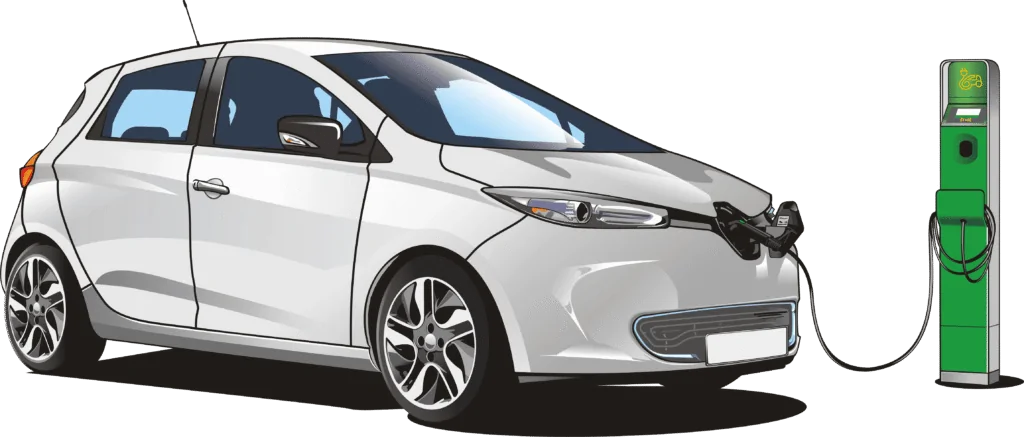
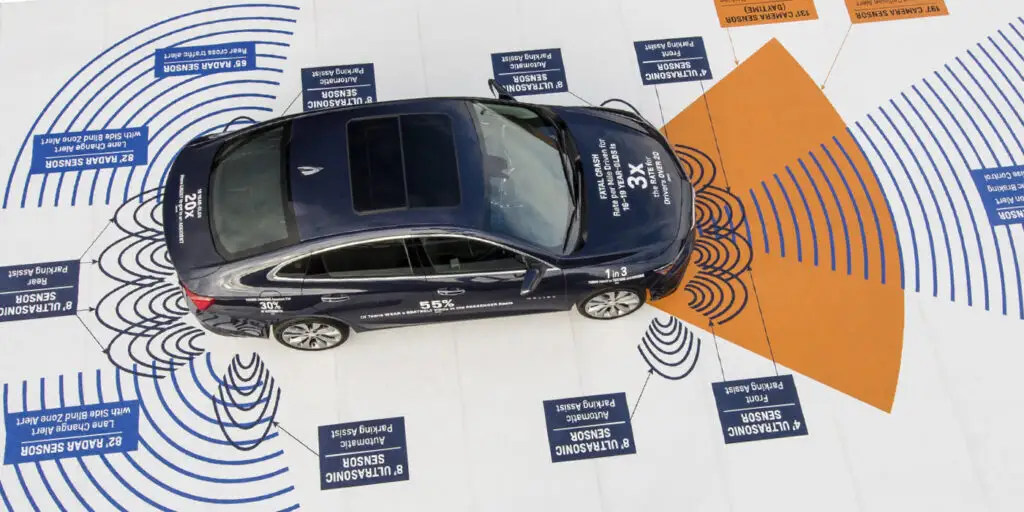
Car radar systems use radio waves to detect objects around your vehicle. These sensors are usually mounted behind the front grille, bumper, or windshield area. They measure distance, speed, and movement of vehicles, pedestrians, and obstacles.
Radar plays a key role in features such as:
- Adaptive cruise control
- Forward collision warning
- Automatic emergency braking
- Lane keeping assistance
- Blind spot monitoring
For these systems to work correctly, the radar sensor must be positioned at a very specific angle and height. That is where calibration becomes critical.
What Is Car Radar Calibration
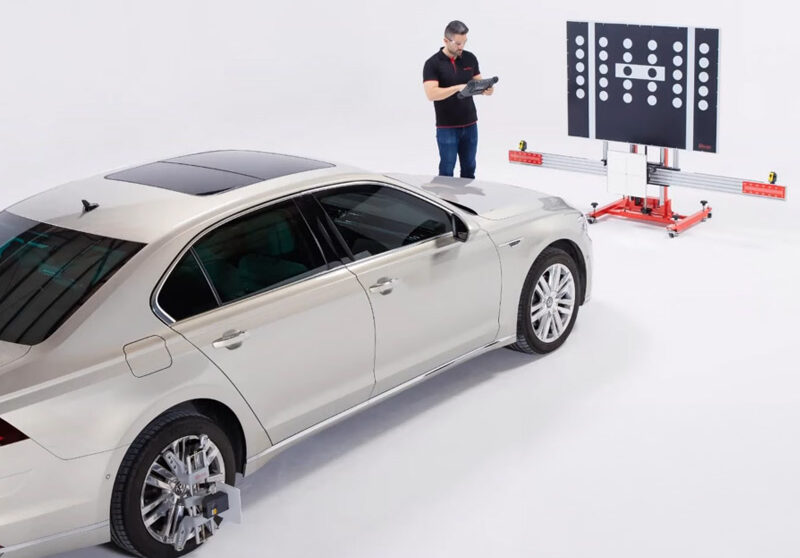
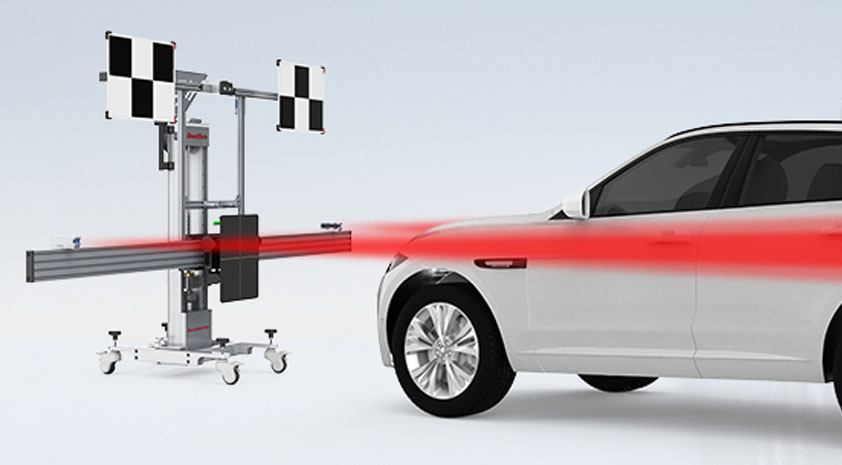
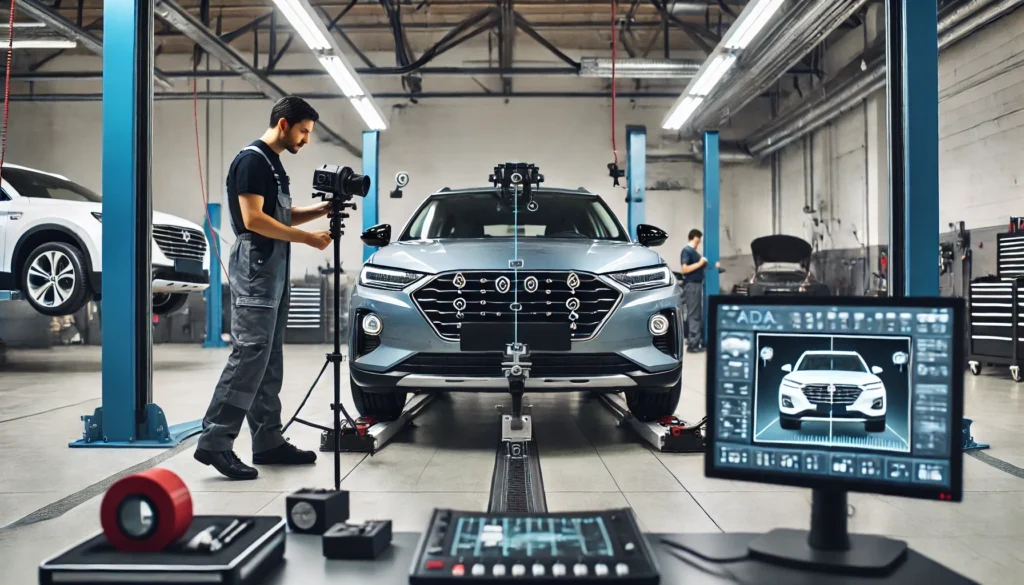
Radar calibration is the process of aligning the radar sensor to the manufacturer’s exact specifications. This ensures the sensor reads distances and movement accurately.
Calibration may involve:
- Software adjustments
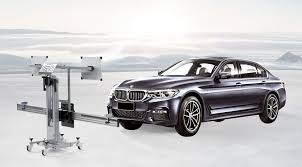
- Physical alignment using targets
- Road testing under controlled conditions
Even a few millimetres of misalignment can cause incorrect readings, which may lead to delayed braking or unnecessary warnings.
Why Radar Calibration Directly Impacts Safety
Here is what you need to know.
Accurate Object Detection
A calibrated radar accurately detects vehicles ahead, their speed, and how quickly they are slowing down. If the radar is off, your car may misjudge distance, leading to late braking or false alerts.
Reliable Emergency Braking
Automatic emergency braking relies on precise data. A miscalibrated radar may fail to activate when needed or may brake suddenly without a real threat, both of which are dangerous.
Stable Highway Driving
On UAE highways, adaptive cruise control is commonly used. Poor calibration can cause jerky speed changes or unsafe following distances.
Pedestrian and Cyclist Protection
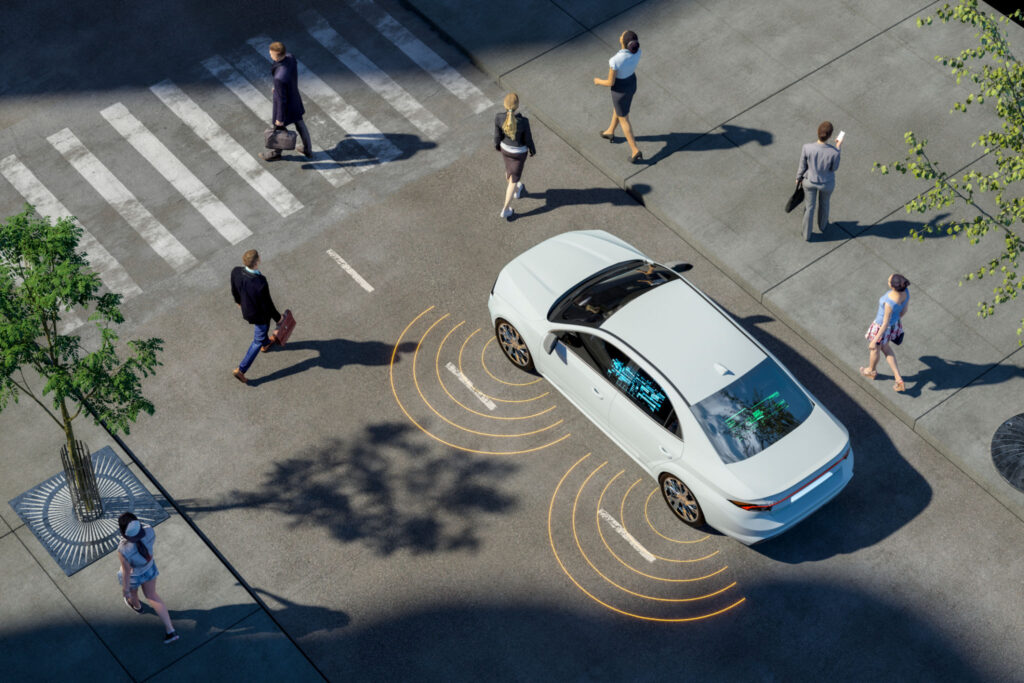
Radar systems help detect vulnerable road users. Incorrect alignment reduces detection accuracy, especially in low visibility or at night.
The Security Side of Radar Calibration
While safety is the main concern, radar calibration also plays a role in vehicle security.
Reduced False Alerts
A poorly calibrated radar can trigger constant warnings. Drivers may begin to ignore alerts, reducing the effectiveness of safety systems.
Protection Against System Errors
Modern vehicles use integrated systems. A radar error can affect multiple features, including lane assist and collision warnings, leading to dashboard alerts and system shutdowns.
Insurance and Liability Concerns
In the event of an accident, malfunctioning safety systems can raise questions during insurance assessments. Proper calibration helps ensure systems function as intended.
Common Situations That Require Radar Calibration
Many drivers are unaware that routine repairs can affect radar alignment. In the UAE, calibration is often needed after:
- Front bumper repair or replacement
- Windshield replacement
- Suspension or wheel alignment work
- Accident or even minor impact
- ADAS warning lights appearing
- Lifting or lowering the vehicle
Even a small parking bump can shift a radar sensor enough to affect performance.
Why UAE Driving Conditions Make Calibration Even More Important
The UAE presents unique driving challenges that increase reliance on radar-based safety systems.
- High-Speed Roads
Long highways encourage higher speeds, where reaction time is critical. Radar must detect vehicles far ahead accurately.
- Extreme Heat
Heat can affect sensor mounts and alignment over time, especially if parts expand or shift.
- Dense Urban Traffic
City driving requires frequent braking and close-distance monitoring. Miscalibration can cause constant warnings or delayed responses.
- Sand and Dust Exposure
Fine sand can interfere with sensor covers and alignment, especially after off-road driving or desert winds.
Signs Your Car Radar May Need Calibration
Drivers often ignore subtle signs until a serious issue occurs. Watch out for:
- Repeated false collision warnings
- Adaptive cruise control behaving unpredictably
- Lane assist not working properly
- Dashboard ADAS warning lights
- Sudden braking without obstacles
If you notice any of these, radar calibration should be checked immediately.
The Risks of Skipping Radar Calibration
Ignoring calibration needs can lead to serious consequences.
- Increased Accident Risk
Delayed braking or missed obstacle detection can result in collisions.
- System Deactivation
Some vehicles disable ADAS features when they detect calibration errors, leaving you without key safety aids.
- Higher Repair Costs
Unresolved radar issues can lead to sensor damage or software faults that are more expensive to fix later.
- Reduced Resale Value
Buyers in the UAE increasingly look for fully functional safety systems. Warning lights or disabled features reduce vehicle appeal.
Why Professional Calibration Matters
Radar calibration is not a DIY job. It requires specialised tools, manufacturer-specific data, and controlled environments.
Professional calibration ensures:
- Correct sensor angle and height
- Accurate system communication
- Full ADAS functionality restoration
- Compliance with manufacturer safety standards
Generic garages often lack the equipment needed for precise calibration, which can result in incomplete or incorrect adjustments.
How Drive UAE Supports Safe Driving Standards
At Drive UAE, safety and vehicle reliability remain a top priority. Whether you drive a luxury sedan, SUV, or high-performance vehicle, understanding the importance of advanced safety systems helps you make informed decisions.
Many modern vehicles available through Drive UAE are equipped with cutting-edge driver assistance technologies. Keeping these systems properly calibrated ensures you experience the full safety benefits designed by the manufacturer.
How Often Should Radar Calibration Be Checked
There is no fixed schedule, but calibration should be checked:
- After any front-end repair
- Following windshield replacement
- After suspension changes
- If ADAS warnings appear
- During comprehensive vehicle inspections
Preventive checks help avoid unexpected system failures.
Final Thoughts
Car radar calibration is no longer a technical detail reserved for specialists. It is a core element of modern vehicle safety and security. In a driving environment like the UAE, where speed, heat, and traffic conditions demand precision, proper calibration can make the difference between a near miss and a serious accident.
Ensuring your radar systems are correctly aligned protects you, your passengers, and everyone else on the road. It also preserves your vehicle’s performance, value, and reliability.
As cars continue to evolve, staying informed and proactive about technologies like radar calibration is one of the smartest steps any driver can take.