

8 Essential Steps Before Buying a Used Car: Buyer Guide
Buying a used car can be one of the smartest financial decisions you make. You avoid the steep depreciation of a brand-new vehicle and often get more features for your budget. But used car buying also comes with risks if you don’t know what to check or how to evaluate a vehicle properly.
Whether you’re purchasing your first car or upgrading to a better model, following a structured approach can save you from costly mistakes. This guide walks you through 8 essential steps you should always take before buying a used car, helping you make a confident and informed decision.
Step 1: Set a Clear Budget (Including Hidden Costs)
Before browsing listings or visiting showrooms, decide how much you can realistically afford. Your budget should include more than just the purchase price.
Consider additional costs such as:
- Registration and transfer fees
- Insurance premiums
- Routine servicing and maintenance
- Minor repairs or part replacements
- Fuel and road usage costs
Setting a complete budget helps narrow down your options and prevents overspending once hidden expenses appear after the purchase.

Step 2: Research the Right Car for Your Needs
Not every good car is the right car for you. Start by identifying how you plan to use the vehicle.
Ask yourself:
- Will this be a daily commuter or occasional driver?
- Do you need a sedan, SUV, hatchback, or pickup?
- How important is fuel efficiency?
- Will passengers or cargo space matter often?
Once your needs are clear, research models known for reliability, safety, and resale value. Look into common issues for each model year and understand typical maintenance requirements. This step alone can eliminate many risky choices.

Step 3: Check the Vehicle History Thoroughly
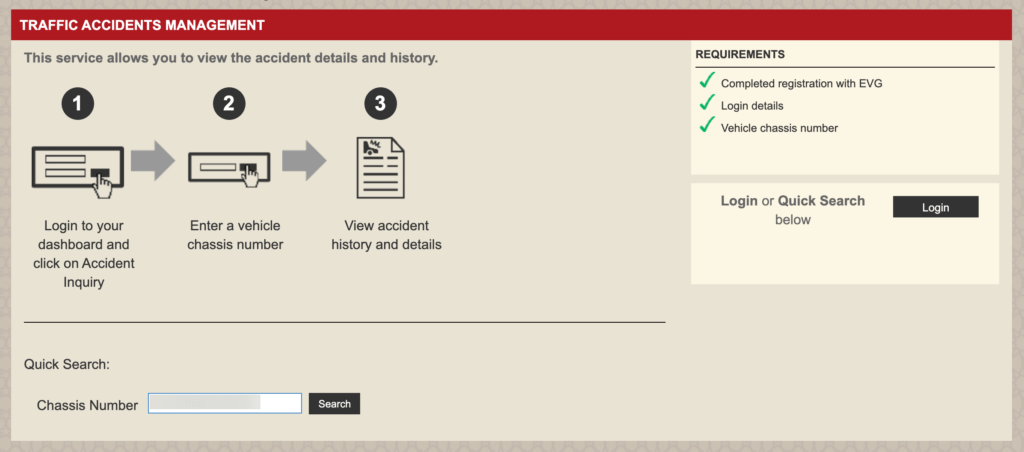
A car’s history tells you more than its appearance ever will. Always ask for documentation that confirms how the vehicle has been used and maintained.
Important details to verify:
- Accident history
- Service and maintenance records
- Ownership history
- Mileage consistency
- Any outstanding loans or legal issues
Avoid vehicles with unclear ownership or missing records. A transparent history reduces the chances of future mechanical surprises.
Step 4: Inspect the Exterior and Interior Carefully
A physical inspection can reveal signs of poor care or hidden damage.
Exterior inspection tips:
- Check body panels for uneven gaps or mismatched paint
- Look for rust, dents, or signs of repainting
- Inspect tires for uneven wear
- Ensure headlights, taillights, and indicators work properly

Interior inspection tips:
- Check seat condition, dashboard, and door panels
- Test air conditioning, infotainment, and controls
- Look for warning lights on the dashboard
- Smell for dampness, which could indicate water damage
Cosmetic flaws may not be deal-breakers, but they can be used for negotiation.

Step 5: Evaluate the Engine and Mechanical Condition
Even if the car looks great, its mechanical health is what matters most.
When checking the engine:
- Start the car cold and listen for unusual noises
- Look for oil leaks under the hood
- Check engine oil and coolant condition
- Observe idle stability and acceleration response
Pay attention to the transmission as well. Gear shifts should feel smooth, without hesitation or jerks. Any warning signs here could indicate expensive future repairs.

Step 6: Take a Proper Test Drive
A test drive is non-negotiable. This is your chance to see how the car behaves in real-world conditions.
During the drive, focus on:
- Engine performance and responsiveness
- Brake feel and stopping power
- Steering alignment and vibration
- Suspension comfort over bumps
- Unusual noises while accelerating or turning
Try driving on different road types if possible. A car that performs well only at low speeds may reveal problems at highway speeds.

Step 7: Get a Professional Inspection
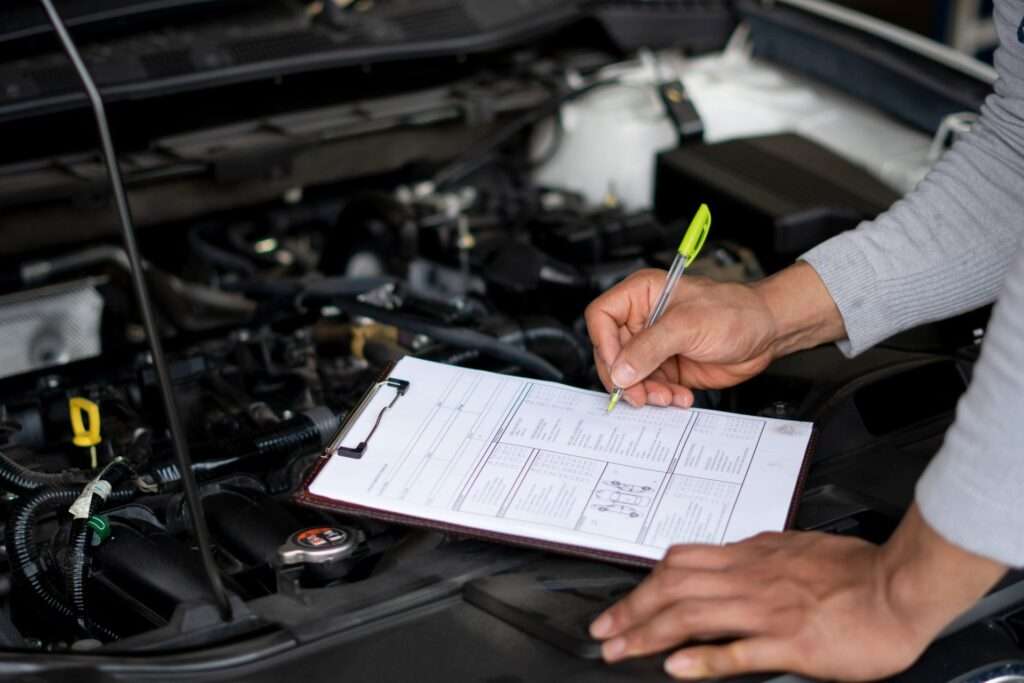
Even experienced buyers can miss hidden issues. A professional inspection adds an extra layer of security to your purchase.
A qualified mechanic can identify:
- Frame or structural damage
- Engine and transmission wear
- Suspension and braking issues
- Electrical or sensor problems
This step may cost a little upfront, but it can save you thousands later. If a seller refuses a professional inspection, consider it a warning sign.
Step 8: Negotiate Smartly and Finalize the Deal Safely
Once you’re satisfied with the car’s condition, it’s time to negotiate. Use your research, inspection findings, and market comparisons to support your offer.
Smart negotiation tips:
- Stay calm and polite
- Be ready to walk away if the deal doesn’t feel right
- Avoid emotional decisions
- Confirm all paperwork before payment
Before finalizing:
- Ensure ownership transfer documents are complete
- Confirm there are no outstanding fines or liabilities
- Get a written receipt and agreement
A clean and transparent closing process is just as important as the car itself.

Common Mistakes to Avoid When Buying a Used Car
Many buyers make avoidable mistakes that lead to regret later. Try to avoid:
- Skipping the test drive
- Ignoring service history
- Buying based on looks alone
- Rushing the purchase due to pressure
- Overlooking long-term maintenance costs
Patience and preparation always pay off in the used car market.
Why Buying Used Can Still Be a Great Choice
When done correctly, buying a used car offers several advantages:
- Lower purchase price
- Slower depreciation
- Access to higher trims or better features
- Reduced insurance costs
The key is approaching the process with awareness and a checklist, not guesswork.

Final Thoughts
Buying a used car doesn’t have to be stressful or risky. By following these 8 essential steps, you protect yourself from hidden problems, overpaying, and future repairs that could have been avoided.
Take your time, research thoroughly, inspect carefully, and never hesitate to ask questions. A well-chosen used car can deliver years of reliable driving and excellent value.