

15 Common Car Problems and Simple Fixes Every Driver Should Know
Every driver, whether new or experienced, has faced unexpected car problems at some point. Maybe your car refused to start on a busy morning, or you noticed a strange sound from the engine during a long drive. While these situations can be stressful, most car issues are common and often, they’re easier to fix than they seem.
In the UAE and across the GCC, where the heat, sand, and long drives can put extra strain on vehicles, understanding your car’s basic problems can save you both time and money.
In this blog, Drive UAE will cover 15 of the most common car issues, how to identify them, and simple fixes you can do before heading to a workshop.
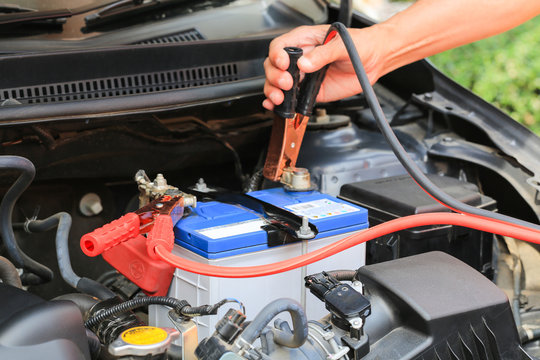
1. Dead Battery
One of the most frequent causes of a car not starting is a dead or weak battery. In hot climates like Dubai, extreme temperatures can shorten a battery’s lifespan.
How to spot it
If your car won’t start and you hear a clicking sound when turning the key, the battery is likely the issue. Dim headlights or flickering dashboard lights are also common signs.
Quick fix
You can jump-start your car using jumper cables and another vehicle. If it starts, drive for at least 15–20 minutes to recharge it. If it doesn’t, the battery might need replacing. Always keep jumper cables in your trunk as a backup.
2. Flat or Low Tyre Pressure
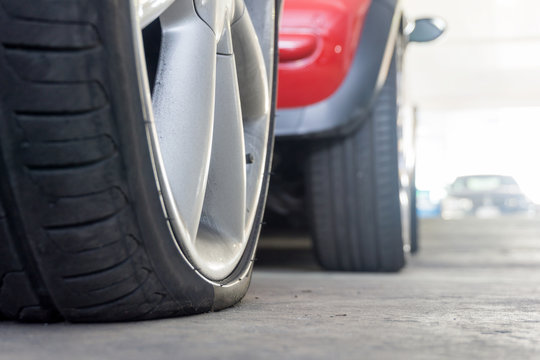
Tyre issues are another everyday problem for UAE drivers. The hot asphalt can cause air to expand and escape, or small punctures can lead to slow leaks.
How to spot it
A soft or visibly deflated tyre, or a warning light on your dashboard.
Quick fix
Use a portable air compressor or visit the nearest petrol station to inflate the tyre. If it’s punctured, replace it with a spare. Check tyre pressure at least once a month to avoid long-term damage.
3. Engine Overheating
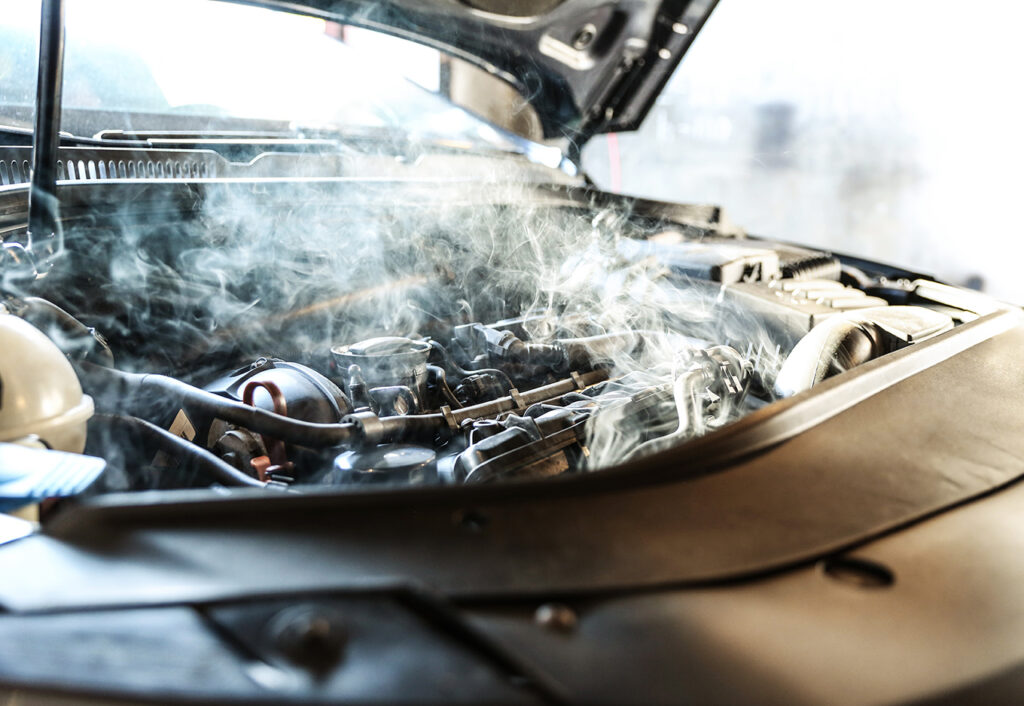
Overheating is especially common in desert regions. It can happen when coolant levels are low, the radiator is blocked, or the thermostat malfunctions.
How to spot it
The temperature gauge will spike, or you may see steam coming from under the hood.
What to do
Pull over immediately and turn off the engine. Let it cool for at least 20 minutes before checking the coolant. Never open the radiator cap when it’s hot. Top it up with coolant or water if needed and visit a workshop to inspect for leaks.
4. Brake Noise or Weak Braking
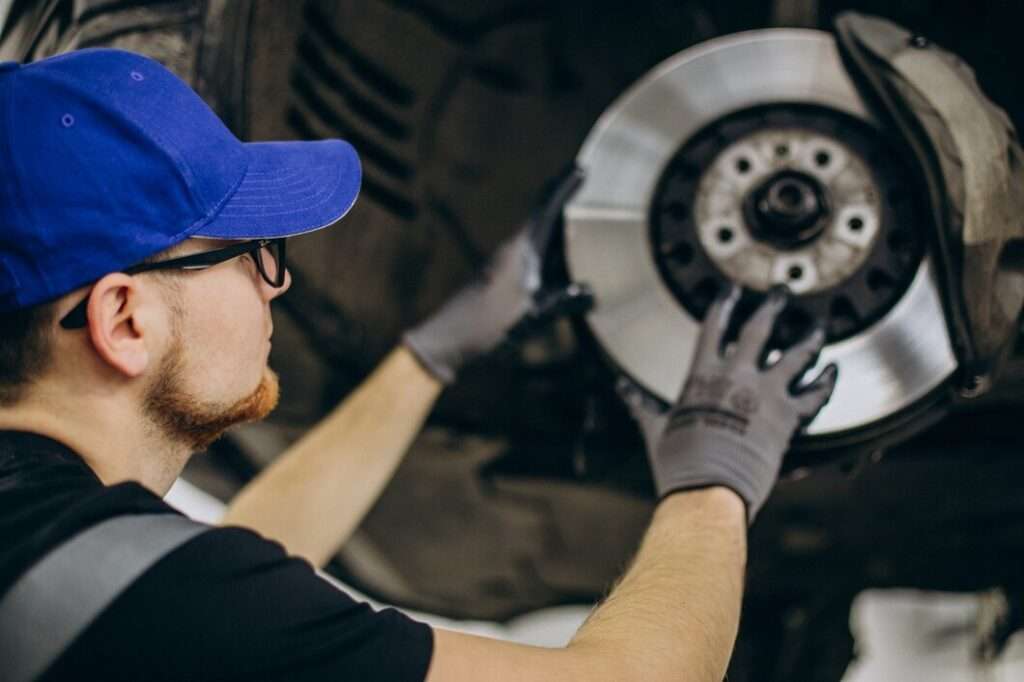
Brakes are your car’s most critical safety system. Any change in their behavior deserves attention.
How to spot it
A squealing or grinding sound when you brake, or if the brake pedal feels soft or unresponsive.
Quick fix
If the brake fluid is low, top it up with the correct type listed in your car’s manual. Persistent noise or poor braking likely means worn pads that need replacement. Never delay brake service, it’s not worth the risk.
5. Car Pulls to One Side
If your car drifts to one side even when the steering wheel is centered, it’s often a sign of alignment or tyre issues.
Causes
Uneven tyre pressure, misaligned wheels, or worn suspension parts.
Fix
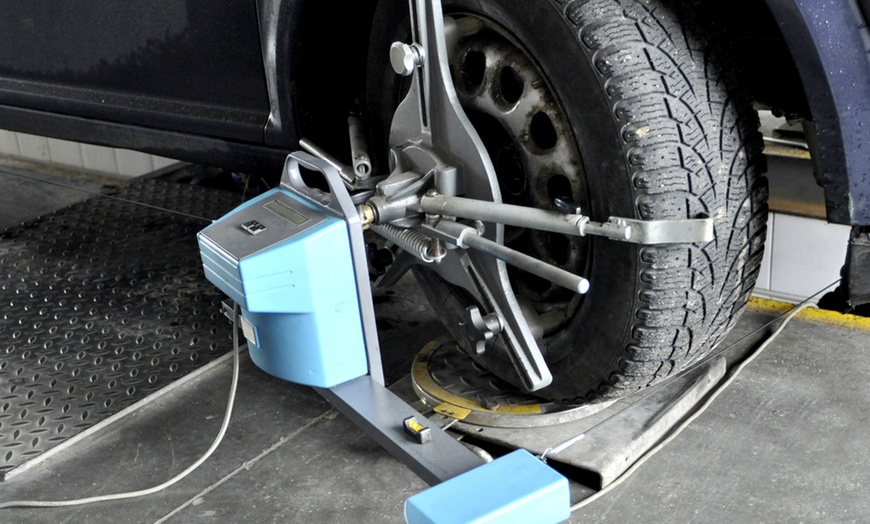
Check your tyre pressure and make sure they’re all equal. If the problem persists, visit a workshop for a wheel alignment. Doing so also improves fuel efficiency and tyre lifespan.
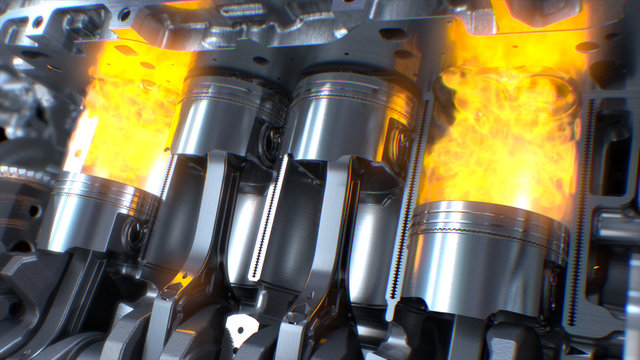
6. Engine Misfiring or Rough Idle
A misfiring engine means one or more cylinders aren’t firing correctly, causing rough idling or poor performance.
How to spot it
Your car shakes at idle, hesitates on acceleration, or the “check engine” light appears.
Quick fix
Check spark plugs, they may need cleaning or replacement. Using quality fuel and getting regular tune-ups help prevent future misfires.
7. Air Conditioner Not Cooling
In the UAE, a weak AC is almost unbearable.
How to spot it:
The air feels warm or weak, even at maximum settings.
Fix:
Clean or replace the cabin air filter. If it still doesn’t cool, there could be a refrigerant leak or compressor issue. Visit an AC specialist for a full inspection.
8. Strange Engine Noises
A knocking or rattling noise from the engine is often a warning.
Causes:
Loose components, worn belts, or low engine oil.
Fix:
Check your oil level and top it up if low. If noises continue, schedule a professional inspection to prevent costly damage.

9. Warning Lights on Dashboard
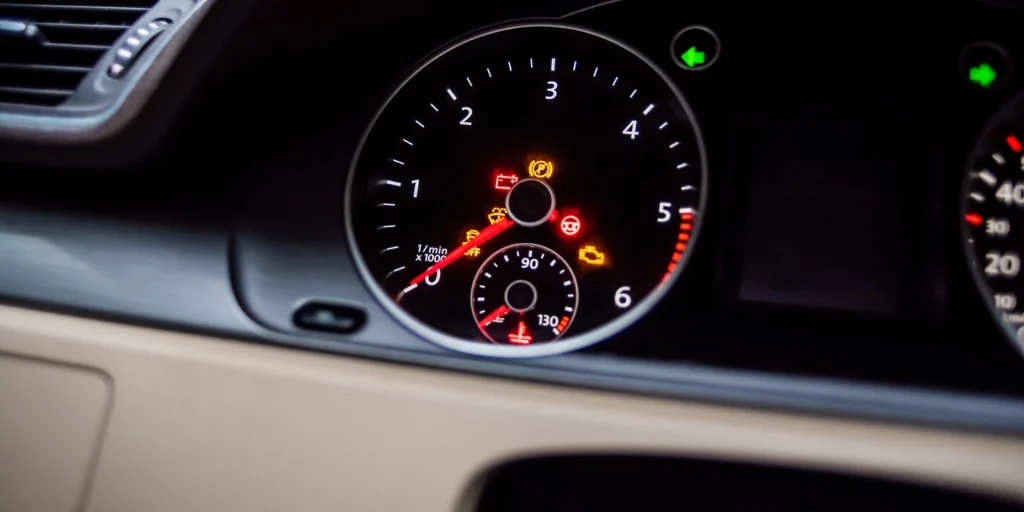
Modern cars use sensors to alert you about potential issues, but many drivers ignore these lights.
Key tip
A yellow light usually means “check soon,” while a red light means “stop immediately.”
Fix:
You can use an OBD scanner to identify the problem or visit a service center. Even if your car feels fine, don’t ignore dashboard warnings for long.
10. Transmission Trouble
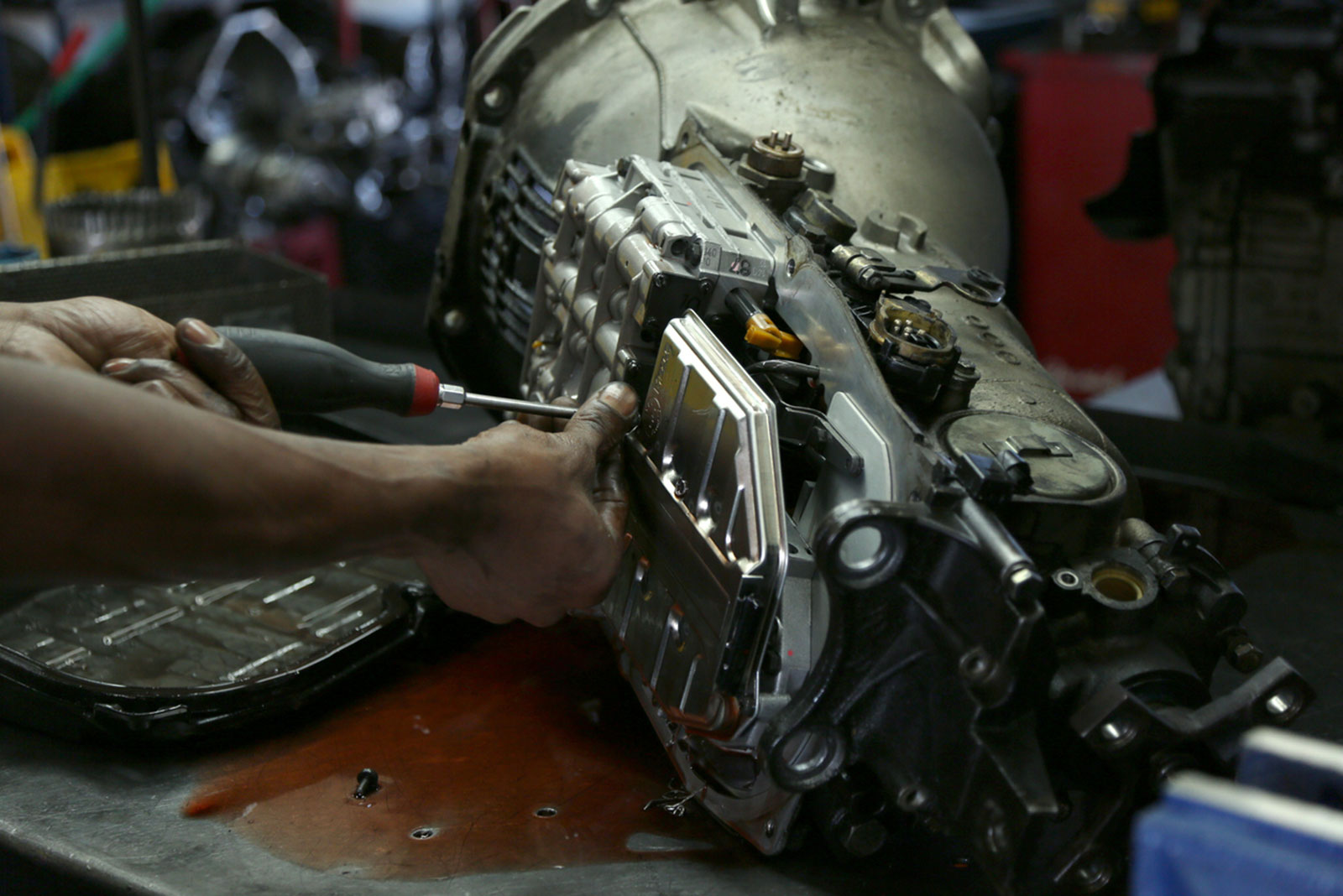
If your car hesitates or shifts roughly between gears, it could indicate transmission problems.
Causes
The most common causes include low or dirty transmission fluid.
Fix:
Check the transmission fluid level and color. It should be clear pink, not dark or burnt-smelling. Replace it as per your car’s maintenance schedule. Persistent issues require a mechanic’s attention.
11. Steering Wheel Vibration
A shaking steering wheel usually points to tyre or suspension problems.
Causes
Unbalanced tyres, worn suspension components, or bent rims.
Fix
Get tyres balanced and check for rim damage. If vibrations occur only when braking, it might be due to warped brake rotors.

12. Dim or Flickering Headlights
Dim lights can reduce visibility and safety at night.
Causes
Weak alternator, loose wiring, or old bulbs.
Fix
Replace burnt bulbs, tighten wiring connections, and check the alternator output. Keeping your headlights clean also helps visibility.

13. Exhaust Smoke (Black, White, or Blue)
The color of exhaust smoke can reveal what’s wrong inside your engine.
Symptoms
Here is what you should look for.
Black smoke: Too much fuel is burning.
White smoke: Coolant leaking into the engine.
Blue smoke: Oil is burning.
Fix
Each type requires a different approach, so it’s best to have a mechanic diagnose it. Continuing to drive could worsen the damage.
14. Stuck Windows or Door Locks
Modern power windows and locks can stop working due to simple electrical issues.
Causes
Blown fuse, dirt buildup, or weak motor.
Fix
Check the fuse box for a blown fuse. Clean switches and lubricate window tracks. If the motor is faulty, replacement may be necessary.

15. Car Vibrates When Idling or Accelerating
Excess vibration can be caused by multiple issues, from engine mounts to fuel system imbalances.
Fix
Start by checking the air filter and spark plugs. If the vibration worsens under acceleration, visit a mechanic for a complete diagnostic.
When to Seek Professional Help
While some problems are easy to manage, others require expert attention.
If you notice warning lights, leaks, or unusual sounds that persist after basic checks, don’t delay repairs. Ignoring them can lead to costly damage later.
Routine maintenance, oil changes, filter replacements, and tyre rotations, is the best way to prevent most of these issues. It also keeps your car performing safely and efficiently on UAE roads.
Final Thoughts
Your car speaks to you through signs, noises, lights, and changes in how it feels on the road. Paying attention to these early warnings can help you avoid expensive breakdowns and stressful moments.
By learning these simple fixes and preventive habits, you can extend your car’s life and ensure smoother, safer drives every day. Remember: a little attention goes a long way when it comes to vehicle care. Stay informed, stay safe, and drive confidently on every journey.