

Audi Vibration While Driving: Causes, Signs and Solution
If you drive an Audi, you expect a smooth and refined experience every time you get behind the wheel. That’s one of the reasons Audi has such a strong fan base in the UAE, its cars are powerful, stable, luxurious, and built for long highway drives. But when an Audi starts vibrating while driving, it instantly becomes noticeable. Even the smallest shake in the steering wheel or the cabin can feel uncomfortable, distracting, and sometimes even scary.
In the UAE, this issue is more common than people realize. The hot climate, long commuting distances, highway speeds, and frequent stop-and-go traffic all put extra stress on tyres, suspension parts, brakes, and engine components. The good news? Most vibration issues can be diagnosed early and fixed before they turn into bigger repair bills.
In this blog, Drive UAE will break down why your Audi vibrates, how to diagnose the problem, and the best fixes, along with UAE-specific reasons and real repair costs.
What Does Audi Vibration Feel Like?
Before getting into the causes, it helps to understand how the vibration shows up. Different types of shakes point to different issues:
- Steering wheel vibration at certain speeds
- Seat or floor vibrations while cruising
- Car shakes during braking
- Vibration only during acceleration
- Dashboard or center console rattling
- A humming or grinding sound with vibration
- Vibration when AC is ON
If the vibration gets worse with speed, it usually points to tyre’s or wheel balance. If it happens during braking, the brake system is likely the culprit. If you feel it at idle or when accelerating, you’re looking at an engine or drivetrain issue.

Why Your Audi Vibrates While Driving
Here are the most common causes.
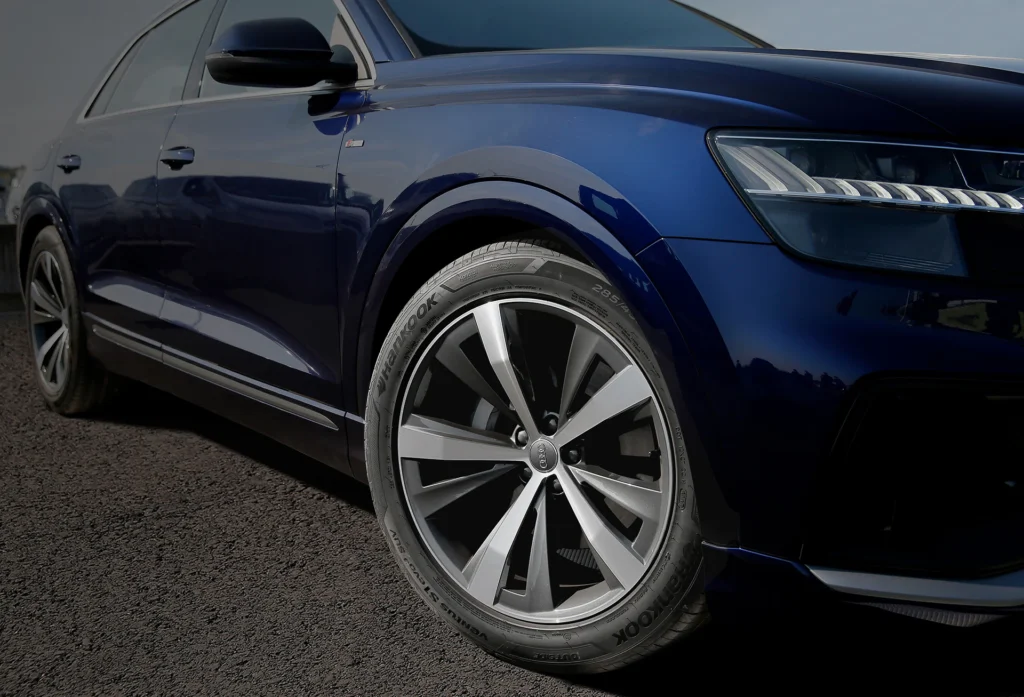
1. Tyre Problems (UAE’s #1 Cause)
With temperatures crossing 50°C on UAE roads in summer, tyre wear becomes extreme. Heat can cause:
- Uneven tread wear
- Tyre flat spots
- Out-of-balance wheels
- Sidewall cracks
- Tyre pressure fluctuations
If your Audi vibrates between 80–120 km/h, tyre balance is the first thing to check.
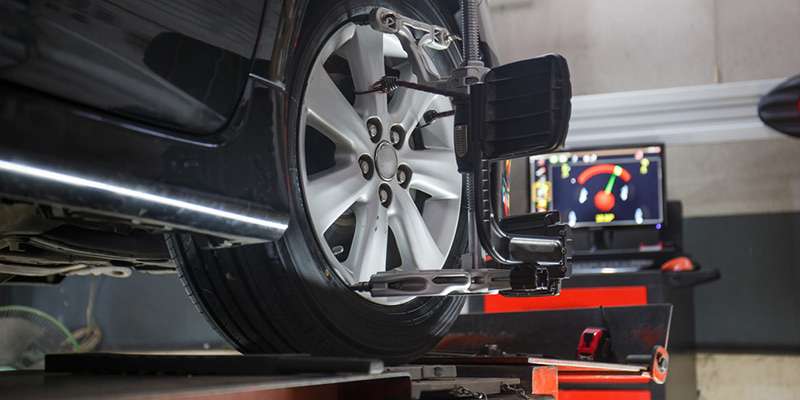
2. Wheel Alignment Issues
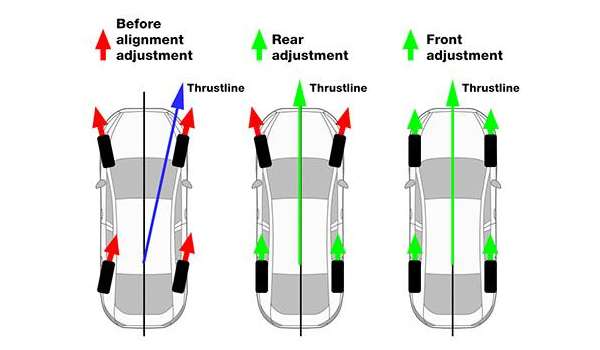
Misalignment happens when your car hits a pothole, curb, or even a rough speed bump. Signs include:
- Steering wheel not straight
- Car drifting left or right
- Vibration at high speeds
- Uneven tyre wear
Audi cars are sensitive to alignment changes, so even a slight misalignment creates noticeable shaking.
3. Suspension Wear
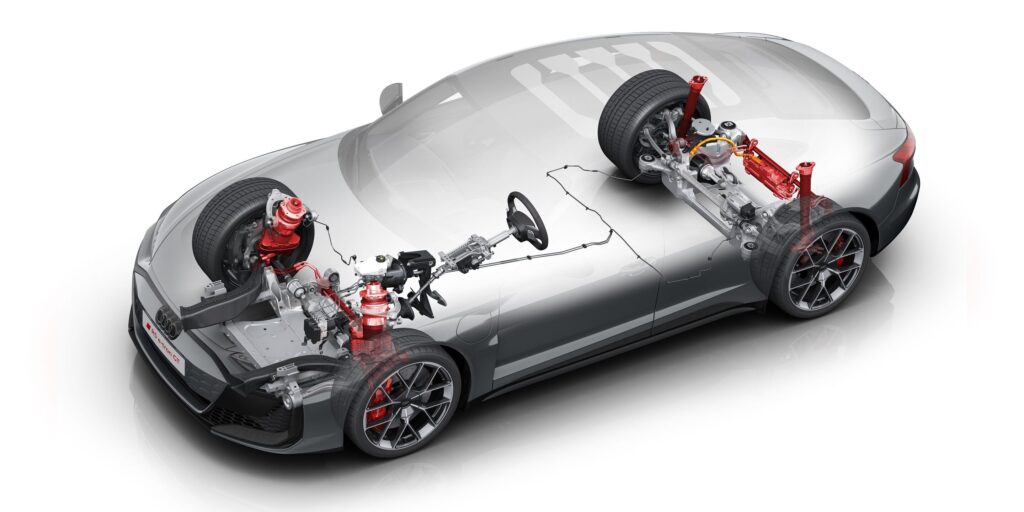
UAE roads can vary, smooth highways, roundabouts, ramps, and speed breakers. Over time, this affects suspension components like:
- Control arm bushings
- Shock absorbers
- Strut mounts
- Stabilizer links
A worn suspension causes clunks, uneven ride height, and vibration while turning or driving on uneven surfaces.
4. Brake System Issues
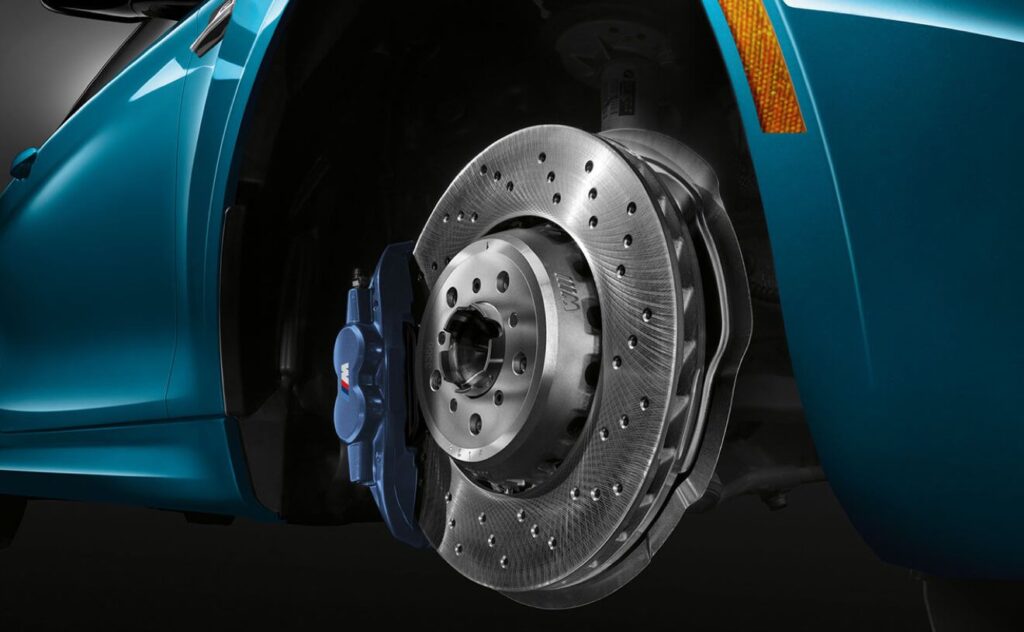
If the vibration appears only during braking, the brake system is your suspect. Common issues include:
- Warped brake rotors
- Sticking brake calipers
- Uneven brake pads
With UAE’s stop-and-go city traffic, brake heat buildup happens quickly, leading to rotor warping.
5. Engine Problems
Engine-related vibrations are usually felt at idle or during acceleration. They may be caused by:
- Engine misfires
- Worn engine mounts
- Vacuum leaks
- Carbon buildup (common in Audi TFSI engines)
Misfires cause jerking, shaking, and loss of power. Carbon buildup leads to rough running and vibration during acceleration.

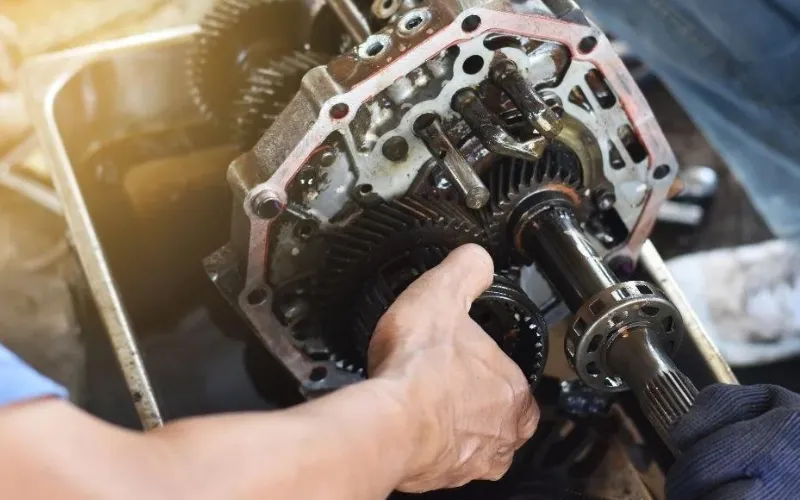
6. Drivetrain and Transmission Issues
Audi’s Quattro and DSG systems are advanced, but they need proper maintenance. Vibration can occur due to:
- Bad CV joints
- Damaged driveshaft
- Worn differential bushings
- DSG clutch shudder
If your Audi vibrates when accelerating hard, this group is worth checking.
7. Wheel Bearing Failure
A worn wheel bearing causes:
- Humming or grinding sound
- Vibration that increases with speed
- Wheel play when lifted
This is a safety issue and should be fixed immediately.
8. AC Compressor or Auxiliary Belt Issues
If the vibration only appears when AC is ON, the compressor clutch or belt tensioner can be the cause.
How to Diagnose Audi Vibration at Home
Here is how you can do it.
1. Start With Tyres
Look for:
- Uneven wear
- Cracks or bubbles
- Low tyre pressure
- Foreign objects
Tyres alone cause more than 60% of vibration complaints in the UAE.

2. Test the Car at Different Speeds
- Vibration at 60–80 km/h: tyre pressure
- Vibration at 100–120 km/h: wheel balance or alignment
- Vibration all the time: suspension or engine mounts
3. Brake Test
Apply the brakes gently at 100 km/h.
If the steering wheel shakes, the rotors are likely warped.
4. Listen Carefully
Different sounds can indicate different issues:
- Humming → wheel bearing
- Grinding → brake or CV joint
- Thumping → tyre flat spot
5. Check for Engine Warning Lights
Misfires or engine mount issues often trigger error codes.
6. Professional Inspection
If you cannot find the issue, a mechanic can perform:
- OBD scan
- Suspension lift inspection
- Rotor thickness test
- Tyre balancing test

Fixes for Audi Vibration
Below are some easy and advanced fixes.
1. Tyre Fixes
- Wheel balancing
- Wheel alignment
- Tyre rotation
- Tyre replacement
Most tyre-related vibration fixes cost 50–120 AED.
2. Brake Fixes
- Brake rotor resurfacing or replacement
- New brake pads
- Cleaning or freeing stuck calipers
Brake repairs cost 250–1,000 AED depending on the model.

3. Suspension Repairs
- Replace shocks or struts
- Replace control arm bushings
- Replace stabilizer links
Suspension repairs can range from 300–2,000 AED.
4. Engine & Transmission Fixes
- Change spark plugs
- Clean carbon buildup
- Replace engine mounts
- DSG clutch service or reset
Engine mount replacement alone can cost 500–1,500 AED.
5. Drivetrain Repairs
- CV joint replacement
- Driveshaft balancing
- Differential mount replacement
Drivetrain repairs often range from 400–1,500 AED.
6. Wheel Bearing Replacement
A bad bearing can fail suddenly, so this must be fixed ASAP.
Cost: 350–800 AED, depending on the model.
Why Audi Vibrations Are More Common in the UAE
Several UAE-specific elements contribute to vibration problems:
- Extreme heat: damages tyres, bushings, and rubber mounts
- High-speed driving: exposes small issues quickly
- Desert sand: builds up in wheel wells and underbody
- Daily stop-and-go traffic: causes brake and rotor wear
- Road speed breakers: impact suspension components
Because of this, Audi vehicles in the UAE need more frequent tyre, brake, and suspension maintenance compared to cooler climates.
When You Must Visit a Workshop Immediately
Seek professional help if you notice:
- Strong vibration at all speeds
- Burning smells
- Steering instability
- Vibration during braking
- Loud knocking or grinding noises
- Car pulling sharply left or right
These can indicate severe brake, suspension, or drivetrain failure.
How to Prevent Audi Vibrations
Here’s how to keep your Audi smooth and stable year-round:
- Rotate tyres every 8,000 km
- Do wheel alignment every 6 months
- Wash undercarriage after desert trips
- Avoid potholes and hard braking
- Keep tyre pressure checked weekly
- Clean carbon buildup periodically
- Service suspension yearly
A few simple habits can save you thousands in repairs.
Conclusion
A vibrating Audi can feel alarming, but most causes are simple and inexpensive to fix when caught early. Tyres, wheel alignment, brake rotors, and suspension parts are the biggest culprits, especially under UAE’s extreme weather conditions.
Diagnose the issue early, follow the step-by-step checks, and fix problems quickly to keep your Audi smooth, safe, and stable on every drive. With the right care, your Audi will continue to deliver the luxurious driving experience it was designed for on UAE’s highways.