
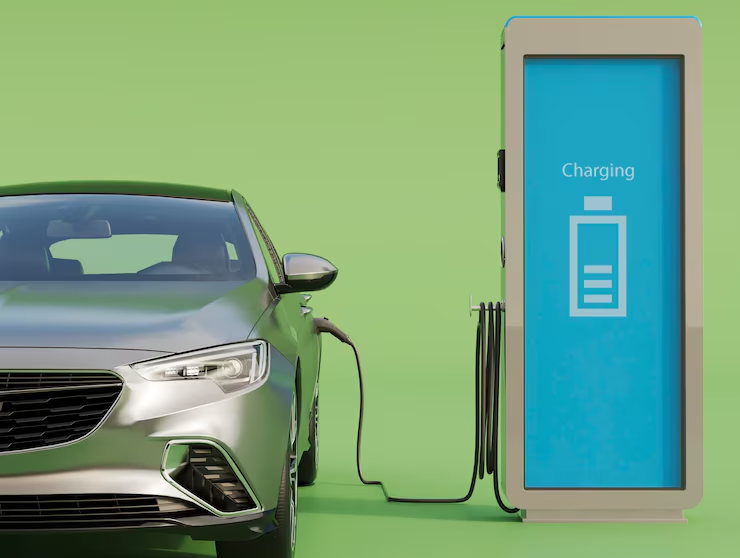
EV Charging Costs in the UAE: What You Need to Know
If you live in the UAE, chances are you’ve noticed a growing number of Tesla’s, BYDs, and MG EVs quietly cruising the roads. Electric vehicles have gone from being a niche choice to a serious contender in the local car market. But while the idea of zero fuel stops and instant torque sounds exciting, one big question remains: how much does it actually cost to charge an EV in the UAE?
Let’s break it down in simple terms and help you understand what you’ll really pay when powering up your electric car.
The Rise of EVs in the UAE
The UAE is leading the region in clean mobility adoption. With government support, new charging stations, and tax-free incentives, owning an electric vehicle has never been easier.
Dubai’s Roads and Transport Authority (RTA) and DEWA’s Green Charger initiative have made it simple to drive electric without worrying about running out of power.
According to DEWA, the number of public charging stations has tripled in the past three years, and more are being added every month.
So, what’s driving this change?
- The UAE’s commitment to Net Zero 2050 goals.
- Government incentives for sustainable transport.
- A tech-savvy community open to future-ready cars.
But the real game-changer is cost. EVs promise lower running expenses compared to petrol cars. Let’s see how true that is.
The EV Charging Landscape in the UAE
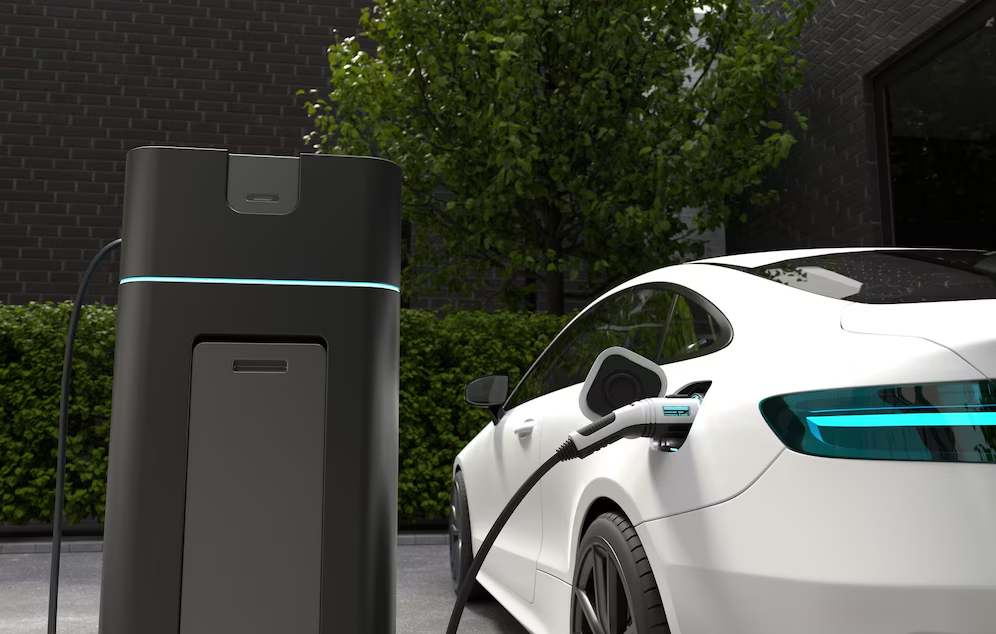
Every emirate is ramping up EV infrastructure. Here is what you need to know.
- Dubai leads with DEWA’s “EV Green Charger” network offering more than 400 stations.
- Abu Dhabi has its own charging grid under TAQA and ADNOC Distribution.
- Sharjah and Ajman are expanding rapidly through public-private partnerships.
Charging stations can now be found at shopping malls, offices, parking buildings, and even residential towers. And in many cases, charging remains free for registered users, at least for now.
The growing infrastructure means you can confidently plan longer drives across the UAE without worrying about range anxiety.
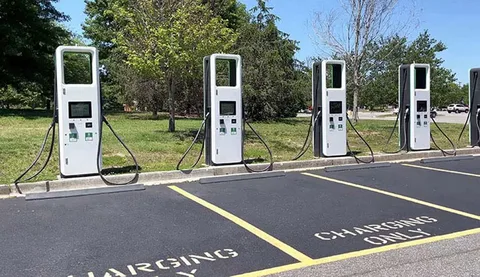
How EV Charging Works
Before diving into the costs, let’s simplify how EV charging actually works.
There are two main types:
AC (Alternating Current) – Usually found in homes or public parking lots. It’s slower but more affordable.
DC (Direct Current) – Known as fast chargers. These are located on highways or service stations and can charge most EVs up to 80% in under 40 minutes.
Charging costs depend on:
- Your electricity provider (like DEWA, SEWA, or ADDC).
- Charger type (slow or fast).
- Battery capacity (larger batteries need more electricity).
Home charging is the cheapest, but public stations offer speed and convenience, especially during road trips.
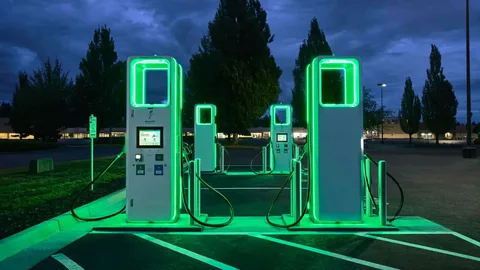
How Much Does It Cost to Charge an EV in the UAE?
This is where most people are pleasantly surprised.
DEWA’s official tariff for EV charging is around 38 fils per kWh (AED 0.38). Let’s look at what that means in real life:
| EV Model | Battery Size (kWh) | Full Charge Cost (AED) | Estimated Range (km) |
| Tesla Model 3 | 57 | 21.7 | 491 |
| MG ZS EV | 51 | 19.4 | 428 |
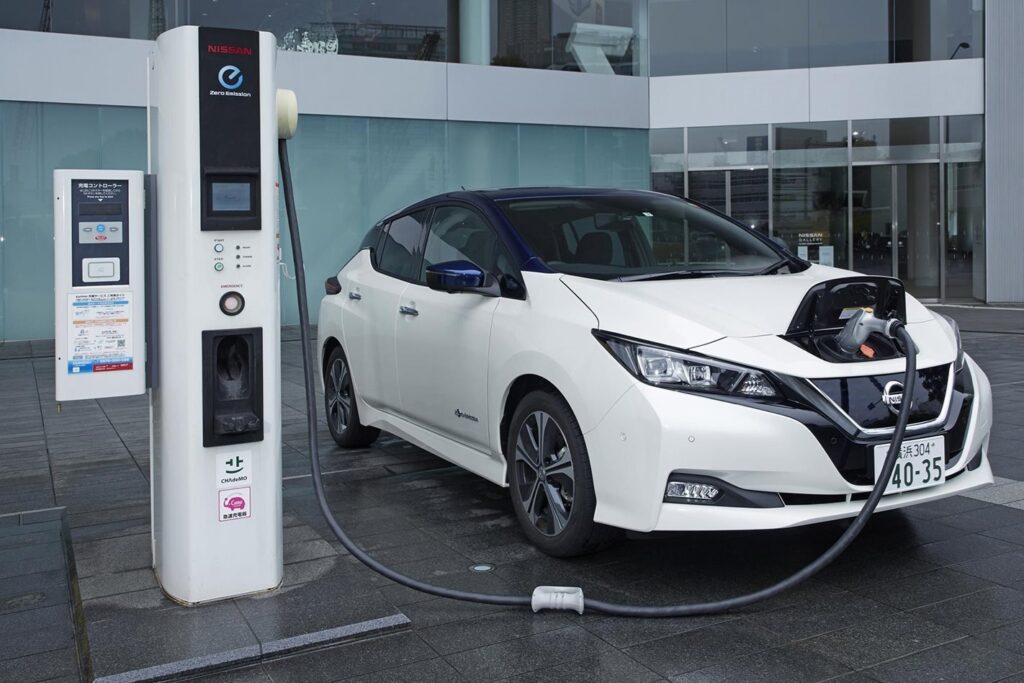
| Nissan Leaf | 40 | 15.2 | 320 |
| BYD Atto 3 | 60 | 22.8 | 450 |
A typical petrol car with the same range might cost AED 120–150 to refuel. That means charging an EV could save you up to 80% on energy costs.
For home users, the cost remains similar to your regular electricity bill rate. But DEWA’s smart meters allow users to track their charging usage separately, making it easy to monitor expenses.
Home Charging vs Public Charging
Now, should you rely on home charging or public chargers? Let’s compare both.
Home Charging
- Pros: Cheapest option, can charge overnight, more convenient.
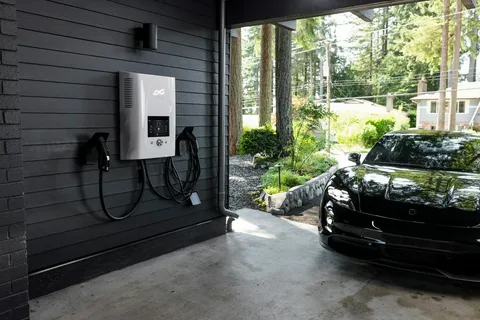
- Cons: Slower (takes 6–8 hours), requires a dedicated wall box.
A home charger installation can cost around AED 5,000–7,000, depending on brand and capacity. DEWA also provides free connection support for registered EV owners in Dubai.
Public Charging
- Pros: Fast, accessible in malls, offices, and fuel stations.
- Cons: Some stations charge premium rates; limited availability in certain areas.
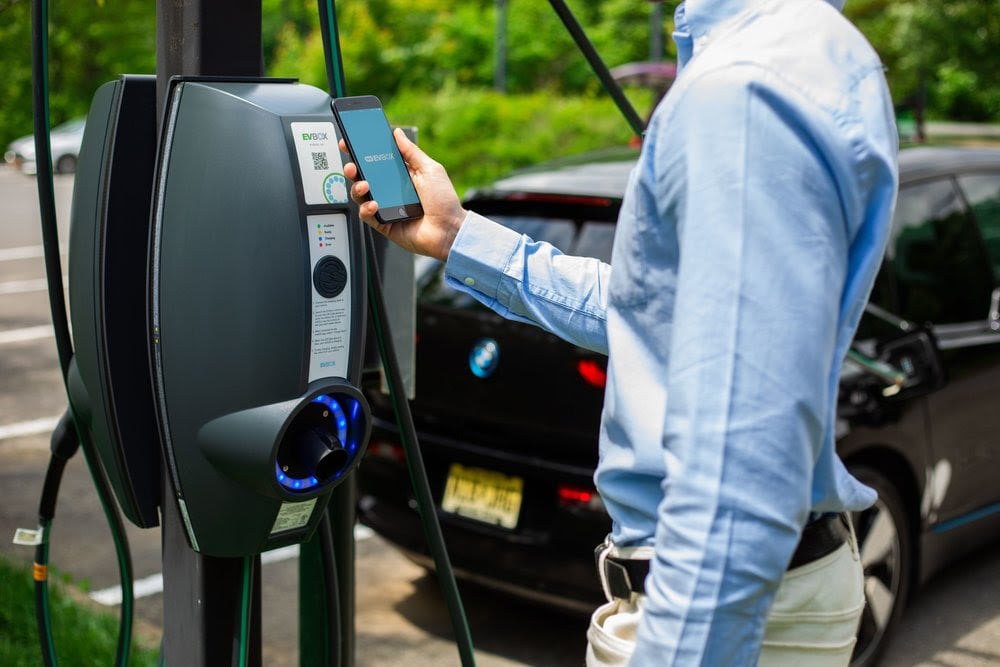
Public DC chargers can cost between AED 0.60 to AED 1.00 per kWh depending on the provider and speed. Still, this is much cheaper than petrol, especially if you use them strategically.
Cost-Saving Tips for EV Owners in the UAE
If you’re planning to buy or already own an EV, these quick tips can help reduce charging costs:
- Charge at home overnight: Take advantage of lower residential rates.
- Use public chargers wisely: Check apps for free or discounted charging stations (like PlugShare or DEWA EV app).
- Maintain your battery: Avoid running it down to 0% often; it affects long-term efficiency.
- Keep the car shaded: The UAE heat can increase battery cooling demand, slightly raising energy use.
- Drive smart: Smooth acceleration and regenerative braking can improve range and reduce charging frequency.
Even small habits like planning your trips and avoiding unnecessary idling can make a difference in long-term savings.
Is It Really Cheaper to Drive Electric in the UAE?
Let’s compare two scenarios.
A petrol SUV that drives 20,000 km a year spends roughly AED 7,000–8,000 annually on fuel.
An EV covering the same distance may only cost AED 1,200–1,500 in electricity. That’s nearly six times cheaper in energy alone!
Plus, EVs have fewer moving parts—no oil changes, no spark plugs, no timing belts. Maintenance costs drop by nearly 40–50%.
And with many authorities offering reduced registration fees and Salik exemptions, the savings go even further.
So yes, driving electric in the UAE is not just about sustainability, it’s also about smarter spending.
The Future of EV Charging in the UAE
The UAE is actively investing in the next generation of EV infrastructure.
DEWA plans to double its number of chargers by 2026, introducing faster and more energy-efficient systems. ADNOC is testing ultra-fast 350kW chargers, capable of powering up a car in just 15 minutes.
Moreover, smart cities like Expo City Dubai and Masdar City Abu Dhabi are integrating solar-powered stations that use renewable energy. This means cleaner, cheaper, and more reliable charging ahead.
The government’s Green Mobility Strategy 2030 and Energy Strategy 2050 ensure that EV drivers won’t just have enough stations, but smarter, faster, and more sustainable ones.
Conclusion
Switching to an EV is no longer just about saving fuel, it’s about embracing the future of driving in the UAE.
The charging network is expanding rapidly, costs are transparent and affordable, and the long-term savings speak for themselves.
Whether you choose to charge at home, in a mall, or on the go, the UAE’s clean energy vision ensures that every electric mile you drive contributes to a greener tomorrow.
So, if you’ve been waiting to make the switch, this might be your sign.
EVs aren’t just the cars of the future; they’re already redefining how we drive today. Stay connected with Drive UAE for expert tips, real-time updates, and honest advice on everything that keeps your wheels moving smartly and sustainably.