

Petrol vs Electric Cars in the GCC: Which One Should You Buy
The GCC has long been a region defined by its love for cars, from roaring petrol engines to the smooth silence of modern electric vehicles. But as roads evolve and sustainability becomes a shared goal across the Gulf, one question continues to divide drivers: Should you stick with petrol or switch to electric?
If you’re living in the UAE, Saudi Arabia, or elsewhere in the Gulf, this comparison isn’t just about technology, it’s about lifestyle, practicality, and long-term value. Let’s break down the key factors to help you decide which car truly fits your needs.
The Changing Landscape of Mobility in the GCC
In recent years, the GCC has seen a noticeable shift toward sustainable transport. The UAE’s Green Mobility Strategy and Saudi Arabia’s Vision 2030 are two major initiatives driving the transition from fossil fuels to cleaner energy.
Electric vehicles (EVs) are no longer just luxury options, they’re becoming mainstream. Charging stations are expanding, incentives are being introduced, and even local governments are adding EVs to public fleets. Still, petrol cars continue to dominate the market due to their familiarity, lower initial cost, and long-distance capability.
The result? A unique moment where both petrol and electric cars share the roads, each appealing to different kinds of drivers.
Petrol Cars: The Reliable Classic
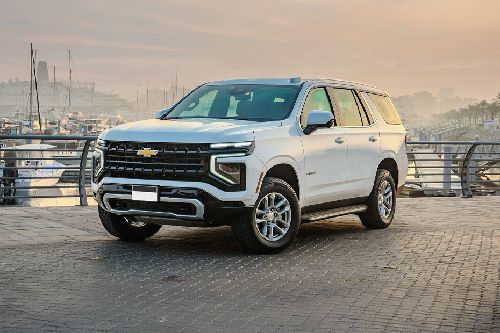
Petrol cars have been the heart of GCC roads for decades. Their biggest advantage is convenience. With thousands of fuel stations spread across the region, refueling takes only a few minutes. This makes petrol vehicles ideal for long drives across cities and deserts.
Other key benefits include:
- Lower upfront cost compared to most electric models.
- Wider service network nearly every mechanic knows how to handle a petrol engine.
- Strong performance and traditional driving feel that many enthusiasts love.
- Better resale value in some markets due to existing buyer demand.
However, there’s no denying their drawbacks. Petrol prices fluctuate, emissions remain high, and regular maintenance (like oil changes, filter replacements, and fuel system care) can add up over time. As sustainability becomes a priority, some drivers are starting to rethink whether petrol is the most future-ready option.
Electric Cars: The Smarter, Greener Alternative
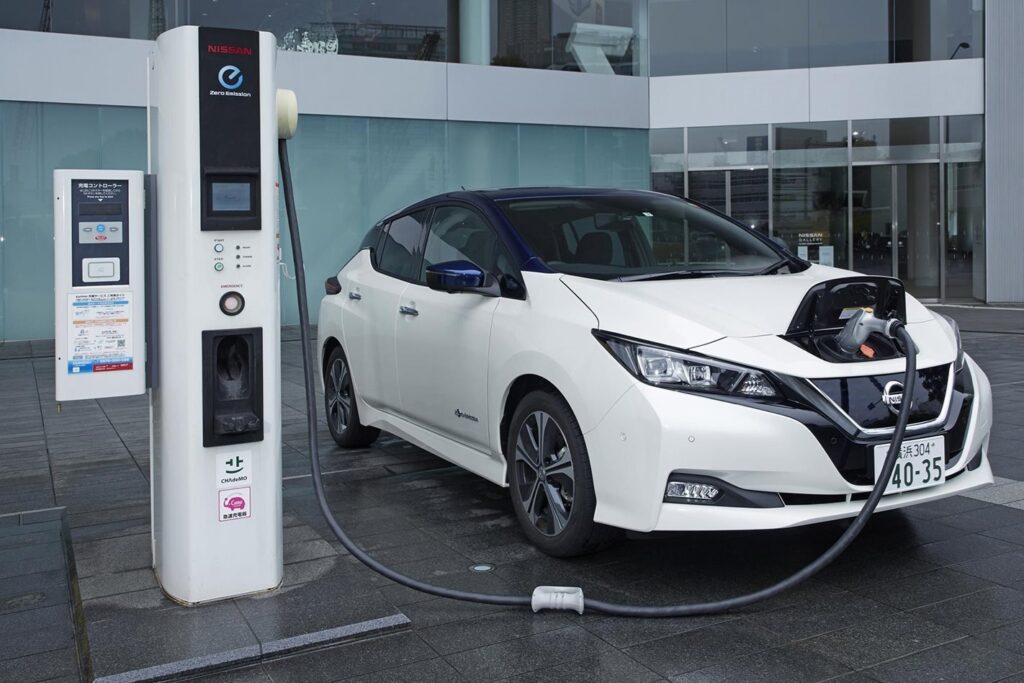
Electric cars are quickly transforming how people think about driving in the Gulf. The appeal goes beyond just saving fuel, it’s about efficiency, technology, and environmental responsibility.
Here’s why EVs are gaining popularity:
- Low running costs: Electricity is significantly cheaper than petrol per kilometer.
- Minimal maintenance: No oil changes or exhaust systems to worry about.
- Smooth performance: Instant torque and quiet driving make city traffic less stressful.
- Eco-friendly: Zero tailpipe emissions support the region’s sustainability goals.
Major brands like Tesla, BMW, BYD, and Porsche now offer electric models designed for the GCC’s climate, with battery cooling systems that handle desert heat. Many residents are also drawn to the convenience of home charging, plug in overnight, and you’re ready to go in the morning.
Still, range anxiety remains a concern for some, especially for drivers who frequently travel between emirates or across countries. But with charging networks expanding across highways and cities, this limitation is gradually fading.
Comparing the Two: What Really Matters for GCC Drivers
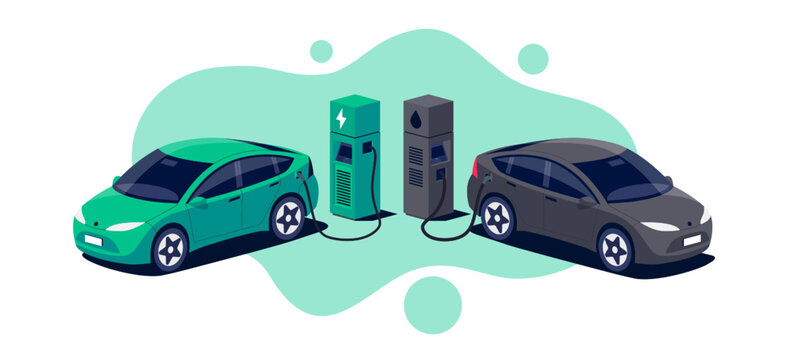
To make your decision easier, here’s a clear comparison of the main differences:
| Factor | Petrol Cars | Electric Cars |
| Initial Price | Usually lower | Higher but decreasing each year |
| Maintenance | Frequent servicing | Minimal upkeep |
| Fuel/Charging Cost | Depends on petrol rates | Much cheaper per kilometer |
| Range | Excellent for long trips | Moderate but improving |
| Refueling Time | 3–5 minutes | 30–60 minutes (fast chargers) |
| Eco Impact | Higher emissions | Zero tailpipe emissions |
| Resale Value | Currently stable | Rising as demand increases |
| Driving Experience | Traditional, powerful feel | Silent, instant acceleration |
Each side has clear strengths. Petrol cars still offer unmatched practicality for long road trips and quick refueling, while electric cars provide efficiency, savings, and cleaner air for city drivers.
The Climate Factor: Driving in Gulf Heat
One of the biggest considerations in the GCC is the extreme summer heat, which affects both petrol and electric cars differently.
Petrol engines can overheat if not maintained properly, especially during long highway drives. Meanwhile, EVs face reduced battery performance when exposed to very high temperatures. However, new EVs are equipped with advanced battery cooling systems that help stabilize performance even in 45°C weather.
For both car types, parking in shade, using sunshades, and maintaining proper fluid or battery checks can extend lifespan and maintain performance throughout the year.
Infrastructure and Support Systems
A few years ago, limited charging options made EV ownership difficult. That’s no longer the case. Today, every major city in the UAE including Dubai, Abu Dhabi, and Sharjah has public charging stations managed by DEWA, ADNOC, and Beeah. You’ll also find chargers in malls, offices, and hotels.
Apps like PlugShare and EV Green Charger help drivers locate stations in real time.
Meanwhile, petrol cars continue to benefit from a dense network of gas stations and workshops. Drivers can easily refuel anywhere, anytime EVs are still catching up to outside urban areas.
Total Cost of Ownership: The Real Game-Changer
While EVs may cost more initially, their long-term savings often outweigh the price difference. With no engine oil, fewer moving parts, and lower electricity rates, the running costs of EVs are minimal.
For example, driving an electric sedan for 15,000 km per year can cost a fraction of what you’d spend on petrol, sometimes up to 70% less in total energy expenses.
Petrol cars, on the other hand, may require regular servicing and higher fuel bills, but they benefit from wider service availability and quicker resale opportunities.
The Smart Choice: It Depends on Your Lifestyle
Ultimately, the “smarter” choice between petrol and electric cars depends on how and where you drive.
Choose a petrol car if:
- You travel long distances frequently.
- You prefer traditional driving and quick refueling.
- You want easy maintenance anywhere in the GCC.
Choose an electric car if:
- You drive mostly within cities.
- You value low running costs and clean energy.
- You have access to charging at home or work.
For those uncertain, hybrid cars offering both petrol and electric power serve as a comfortable middle ground, combining range confidence with partial electrification.
The Future of Driving in the GCC
The future of the GCC’s roads is electric. Governments are investing heavily in EV infrastructure, and public interest continues to rise. But that doesn’t mean petrol cars are disappearing anytime soon. Instead, the region is heading toward a balanced ecosystem where drivers choose what fits their lifestyle best.
The next few years will likely see both petrol and electric models coexisting, offering flexibility for every type of motorist.
Drive Smarter with Confidence
Whether you stick with the familiar hum of a petrol engine or embrace the quiet innovation of electric power, one thing is clear: the GCC is driving toward a more efficient and sustainable future.
At Drive UAE, we make it easy for you to experience both. From high-performance petrol cars to cutting-edge electric models, our fleet lets you test the best of both worlds before making your choice.
Ready to explore your next drive? Visit Drive UAE and discover premium rentals that fit your lifestyle, comfort, and future vision all in one seamless experience.