
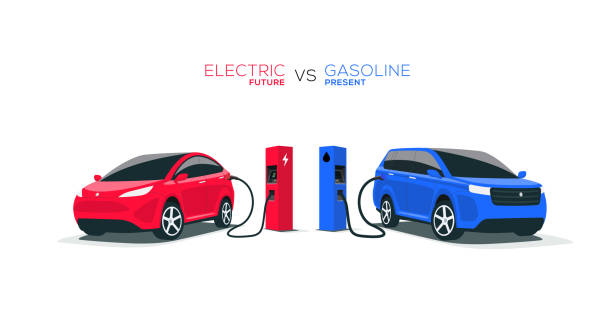
Hybrid vs Electric vs Petrol Cars: All You Need to Know Before Buying in the UAE
Choosing the right car today is more exciting than ever. With rapid innovation in the automotive world, drivers now have multiple power options: petrol, hybrid, and electric vehicles (EVs). Each type brings different performance, cost benefits, and environmental impact. But which one is the best choice for UAE roads?
In this blog, Drive UAE will break down the differences, real-world costs, performance strengths, and long-term value so you can make a confident decision that suits your lifestyle and budget.
What’s the Difference Between Petrol, Hybrid, and Electric Cars?
Let’s start with the basics:
| Car Type | What Powers It | Key Advantage |
| Petrol | Internal combustion engine (fuel only) | Affordable upfront price |
| Hybrid (HEV & Plug-In) | Petrol + electric motor | Better fuel efficiency |
| Electric Vehicle (EV) | 100% battery powered | Zero emissions and low running cost |
While petrol cars have been the traditional choice, hybrid and electric cars are becoming popular in the UAE thanks to sustainability initiatives and cheaper running costs.
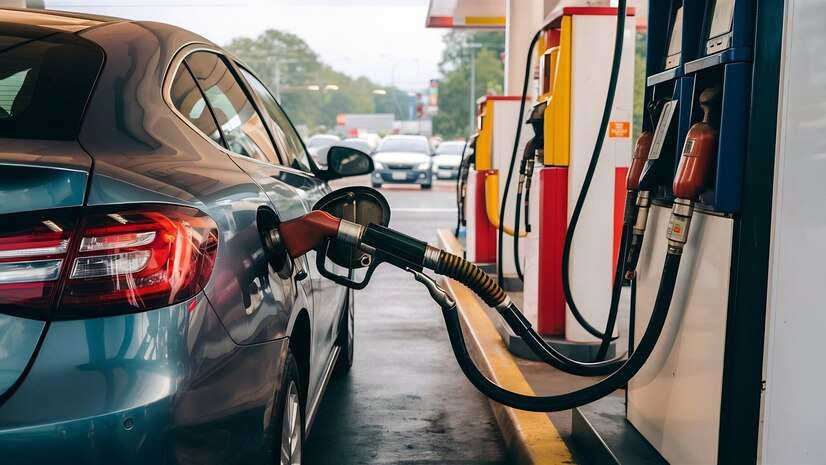
1. Petrol Cars: Familiar, Convenient & Affordable
Petrol cars continue to dominate UAE roads for one major reason: ease of ownership.
Advantages of Petrol Cars
- Lower upfront cost — cheaper to buy or finance
- Easy refueling with fuel stations everywhere
- Accessible maintenance and repair shops
- Great highway performance and range
Petrol engines also deliver strong acceleration, making them enjoyable for drivers who love power, especially in performance SUVs, sports sedans, and supercars common in Dubai.
Disadvantages
- Higher fuel expense over time
- Produce more emissions
- More parts needing regular maintenance
- Limited future resale value as UAE adopts greener mobility
Petrol cars still offer practicality and flexibility, but they are slowly losing long-term appeal as the region moves toward sustainability.
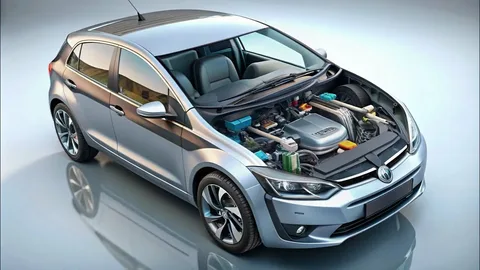
2. Hybrid Cars: The Best of Both Worlds
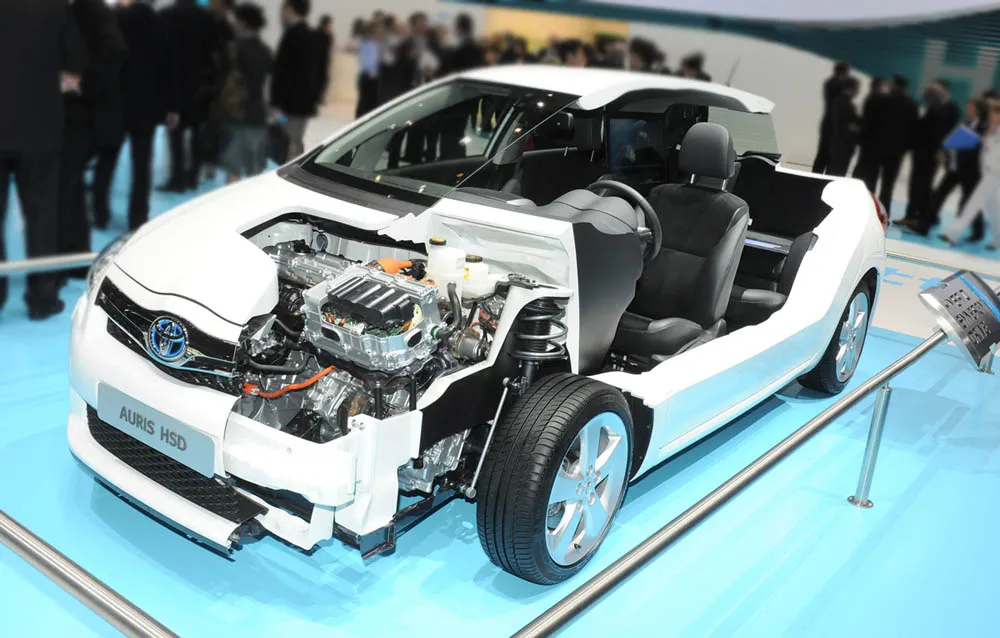
Hybrid cars, such as the Toyota Corolla Hybrid or Lexus RX Hybrid, use both a petrol engine and an electric motor. At lower speeds, they rely more on electricity to save fuel. During hard acceleration, the petrol engine takes over.
There are two main types:
- HEVs (Hybrid Electric Vehicles) – No charging required. Charge automatically while driving.
- PHEVs (Plug-In Hybrids) – Can be charged using a home or public charger to drive on electricity for short trips.
Advantages of Hybrid Cars
- Better fuel economy, ideal for city driving
- Reduced emissions compared to petrol cars
- Less engine strain = longer engine life
- Smooth and quiet drive
PHEVs can often commute daily on pure electricity, saving a lot on fuel.
Disadvantages
- Higher purchase price
- Battery replacement can be costly after many years
- Not fully emission-free (due to petrol engine)
- Maintenance of two power systems can sometimes be expensive
Hybrids make a strong choice for UAE drivers who want to reduce fuel expenses but still have the comfort of traditional refueling for longer journeys.
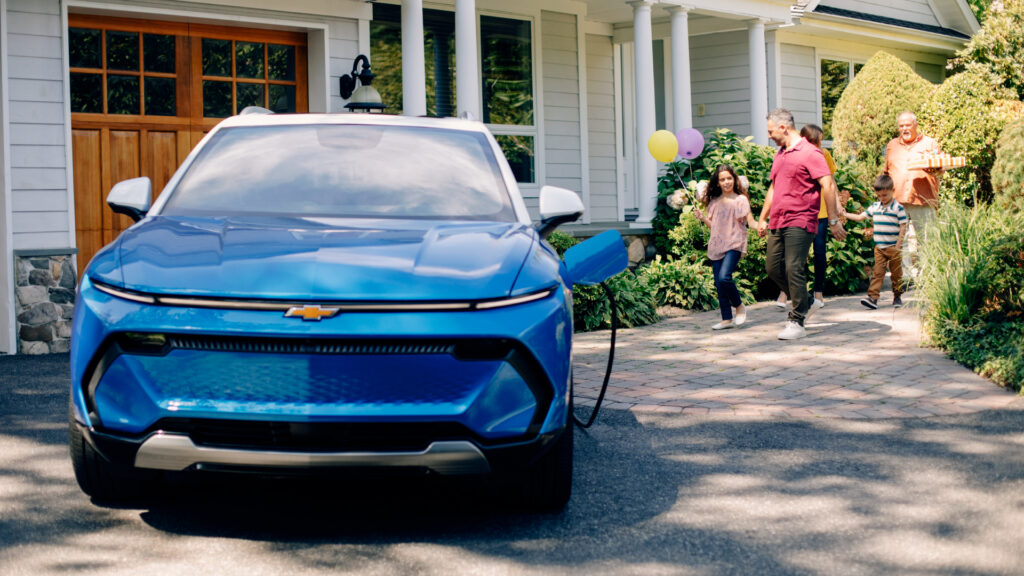
3. Electric Cars: The Future of Mobility
Electric vehicles run entirely on battery power. With more brands expanding in the UAE, including Tesla, Polestar, BYD, and Mercedes-EQ, the EV market is growing fast.
Advantages of EVs
- Zero tailpipe emissions, environmentally friendly
- Very low running and maintenance cost
- Instant torque for fast acceleration
- Smooth, silent driving experience
- Government incentives in many Emirates (special parking, charging benefits, and more)
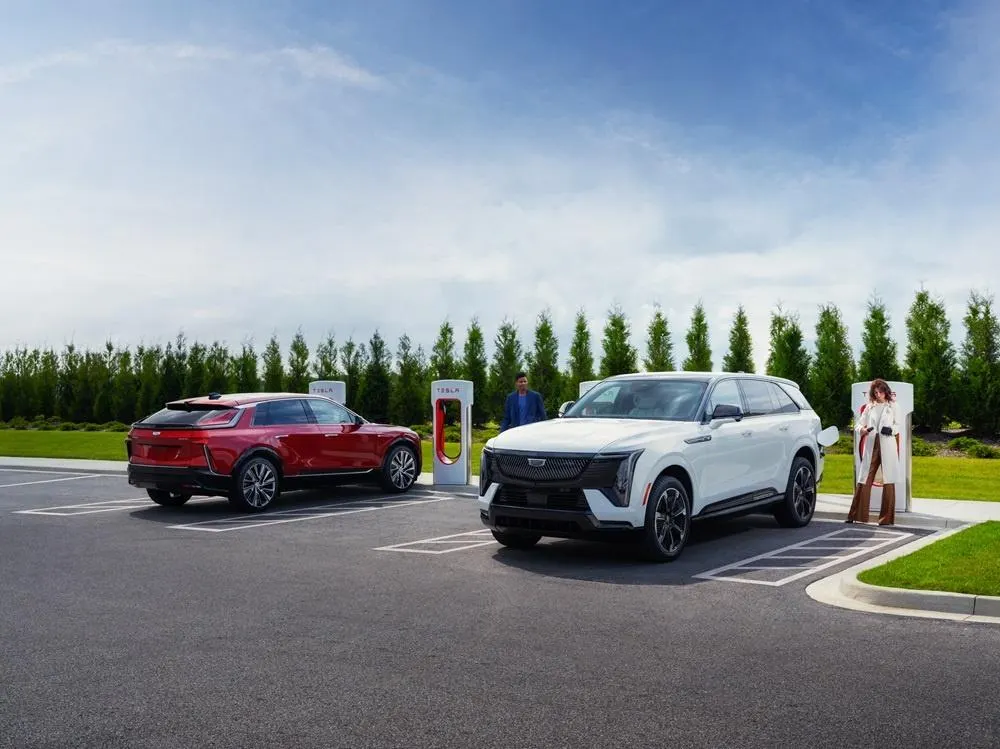
Charging networks are expanding rapidly across Dubai, Abu Dhabi, Sharjah, and other major cities, making EVs more convenient than ever.
Disadvantages
- Higher upfront purchase cost
- Charging infrastructure still developing in some areas
- Range anxiety for long drives if chargers aren’t available
- Battery replacement costs after 8–12 years
EVs are ideal for residents who drive mostly within the city and want technology-forward features with long-term savings.
Which Car Type Works Best for UAE Roads?
Let’s look at real-world conditions in the Gulf:
- High summer temperatures
- Long-distance highway driving
- Traffic congestion in big cities
EVs can overheat in high heat if not properly thermally managed, but modern cooling systems have greatly improved. Hybrids handle heat well and offer fuel savings in heavy traffic. Petrol cars remain the simplest option for long desert trips and rural areas without charging stations.
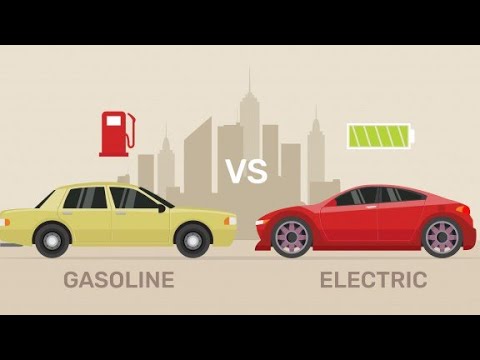
Winners by Category
| Category | Winner | Why |
| Cheapest to Buy | Petrol | Lowest upfront cost |
| Cheapest to Run | EV | Minimal fuel + lower maintenance |
| Best for Highway Travel | Petrol / Hybrid PHEV | Quick refueling, long range |
| Best for Environment | EV | Zero emissions |
| Best for Heavy City Traffic | Hybrid | Fuel-saving at low speeds |
There is no universal “best” option, it depends on lifestyle.
Total Ownership Cost: Which Saves More in the UAE?
Fuel and maintenance cost matter as much as purchase price.
Petrol Cars
- High fuel spending over time
- More regular service (oil changes, spark plugs, belts)

Hybrid Cars
- Save around 20–30% fuel in city driving
- Fewer engine-related repairs
- Battery replacement after several years can be expensive
EVs
- Electricity is much cheaper than petrol, charging at home saves thousands per year
- Fewer moving engine parts = fewer repairs
- Tyres and brakes still need service
If long-term savings are your priority, EVs are the most economical after initial purchase.
Driving Experience: Which Feels Better?
| Feel Factor | Petrol | Hybrid | EV |
| Acceleration | Strong | Good | Instant power |
| Quietness | Moderate | Very quiet | Silent |
| Smoothness | Good | Smooth | Super smooth |
| Handling | Performance-focused options available | Balanced | Heavy due to battery weight |
Drivers who enjoy sporty performance may still prefer petrol models, especially high-performance brands like BMW M, AMG, and McLaren.
Environmental Impact: The Sustainability Factor
| Type | Emissions | Future Readiness |
| Petrol | High | Being phased down globally |
| Hybrid | Medium | Transition technology |
| EV | Zero tailpipe | Full future compliance |
As the UAE pushes toward a green mobility future, electric and hybrid cars will continue gaining more government support and incentives.
So Which One Should You Choose?
Here’s a simple buying guide:
Choose Petrol if:
- You want a lower purchase price
- You drive long distances in remote areas
- You prefer high-performance models
Choose Hybrid if:
- You want to cut fuel costs
- You mostly drive in the city
- You want the safety of petrol backup for longer trips
Choose Electric if:
- You want the cheapest long-term ownership
- You are environmentally conscious
- You have charging access at home or work
Final Thoughts
Petrol, hybrid, and electric cars each offer unique benefits for UAE drivers. The key is choosing a model that fits your driving style, travel needs, and financial plans.
- Petrol cars remain practical and affordable.
- Hybrids provide a smart middle ground with great efficiency.
- EVs are the future, cheaper to run and kinder to the planet.
Before you buy, think about where you drive most and what matters more to you: upfront cost or long-term savings. With the automotive world rapidly changing, the best car is the one that supports your daily routine, and the future you want to drive toward.