
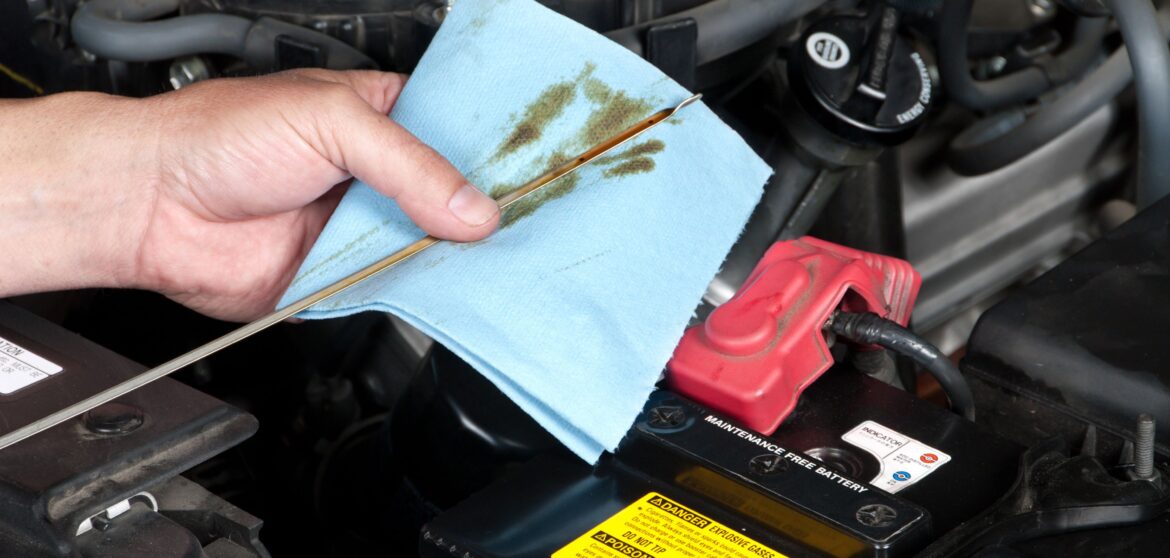
Should You Do an Immediate Oil Change After Engine Failure?
Engine failure is one of the most stressful situations a car owner can face. Whether it happens suddenly on the road or is discovered during a routine check, the first instinct is often to ask, “Should I change the oil immediately?”
The short answer is it depends, but the long answer matters far more. Doing the wrong thing too quickly can sometimes make the problem worse or hide important warning signs.
In this guide, Drive UAE will explain when an immediate oil change makes sense, when it does not, and what steps you should take first, especially in hot-climate conditions like the UAE.
Understanding What “Engine Failure” Really Means
Before deciding on an oil change, it’s important to understand what kind of engine failure you’re dealing with. Not all failures are the same.
Engine failure can refer to:
- Sudden engine shutdown while driving
- Knocking or grinding noises
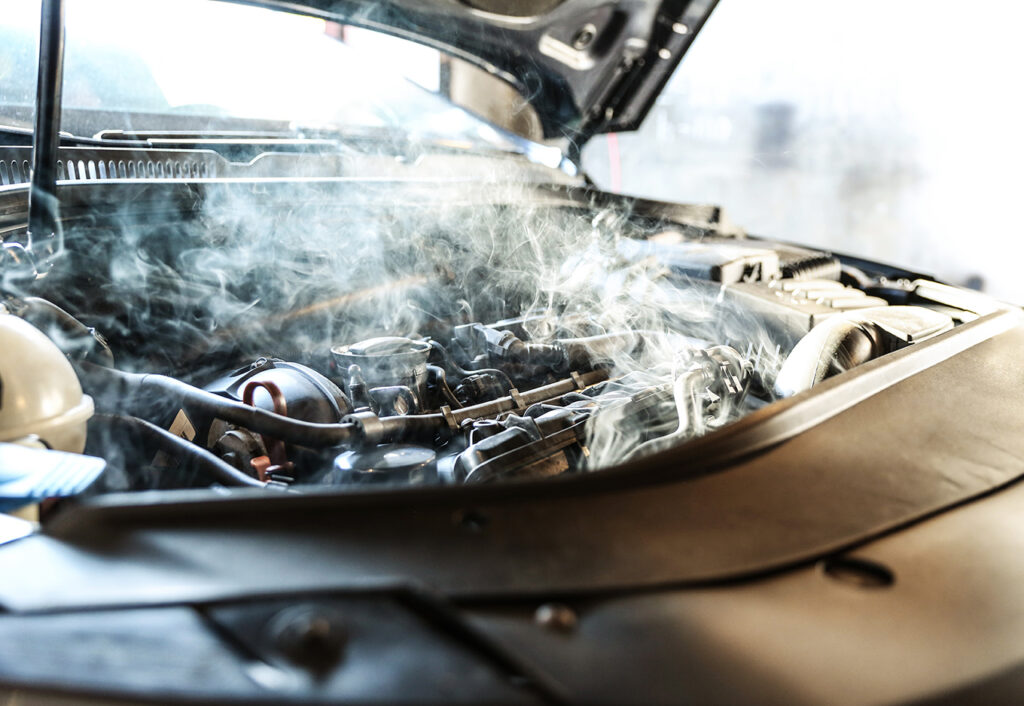
- Overheating followed by loss of power
- Severe oil leaks
- Engine seizure
- Warning lights followed by poor performance
Some of these issues are oil-related. Others have nothing to do with oil at all.
Changing oil without identifying the root cause is like treating symptoms without knowing the illness.
Why Oil Is Often Blamed After Engine Failure
Engine oil plays a critical role. It lubricates moving parts, reduces heat, and prevents metal-to-metal contact. When oil fails, engines can suffer serious damage.
Common oil-related problems include:
- Low oil level
- Old or contaminated oil
- Wrong oil grade
- Oil sludge buildup
- Oil pump failure
Because oil is so vital, many drivers assume an oil change is the first and best step after engine trouble. Sometimes that’s true. Other times, it’s not.
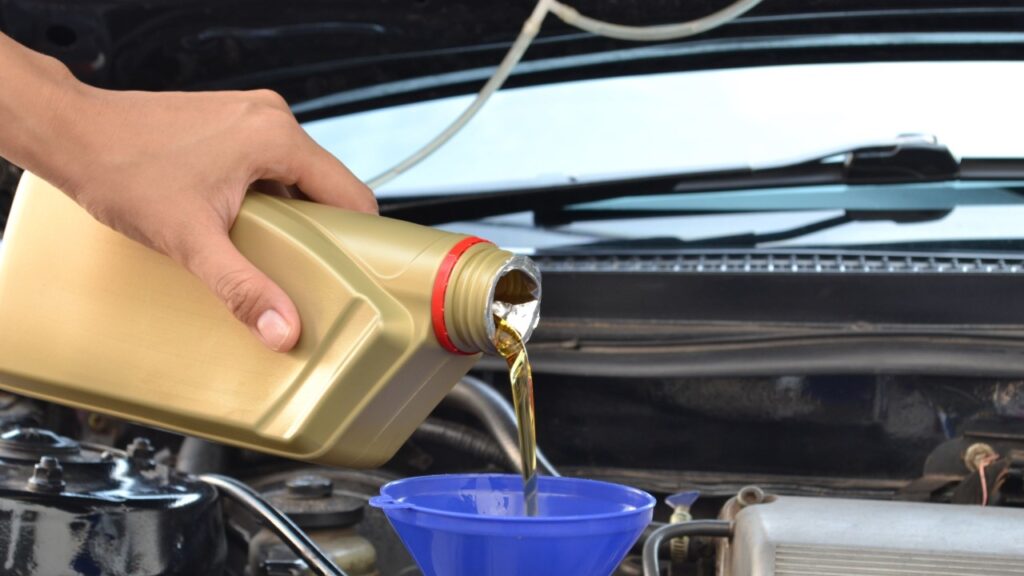
When an Immediate Oil Change DoesMake Sense
There are specific situations where changing the oil right away is a smart and safe move.
1. Oil Contamination Is Suspected
If the oil is contaminated with coolant, fuel, or metal particles, it must be drained immediately.
Signs include:
- Milky or foamy oil
- Strong fuel smell in oil
- Shiny metal flakes on the dipstick
In this case, fresh oil helps prevent further internal damage while diagnostics continue.
2. Overheating Caused Oil Breakdown
Extreme heat, common in UAE driving conditions, can cause oil to lose its protective properties.
If the engine overheated but did not seize:
- The oil may be burnt
- Viscosity may be compromised
An immediate oil change can help stabilize the engine after cooling, but only after checking why the overheating happened.
3. Oil Level Was Critically Low
If engine failure occurred because oil ran dangerously low:
- Topping up is not enough
- Old oil may contain debris
In this case, a full oil change with inspection of the drained oil is recommended.
4. Engine Was Repaired After Failure
If engine components were repaired or replaced:
- Old oil may contain contaminants
- Fresh oil is essential
Here, an oil change is not optional. It is part of the proper repair procedure.
When You Should NotRush Into an Oil Change
There are also situations where an immediate oil change can delay proper diagnosis or even cause harm.
1. Engine Seizure or Severe Mechanical Damage
If the engine seized or made loud knocking sounds before stopping:
- Oil change will not fix internal damage
- Metal debris may be present
Draining oil too early can remove valuable evidence mechanics need to diagnose the failure accurately.

2. Unknown Cause of Failure
If you do not know why the engine failed:
- Changing oil may mask warning signs
- Diagnostic trouble codes may be lost
It’s better to let a professional inspect the engine first.
3. Warranty or Insurance Situations
If your car is under warranty or involved in an insurance claim:
- Unauthorized oil changes may affect coverage
- Documentation of failure is important
Always consult the service provider before doing any work.
What You Should Do BeforeDeciding on an Oil Change
Instead of rushing, follow a calm step-by-step approach.
Step 1: Do Not Restart the Engine
Trying to restart a damaged engine can worsen internal damage.
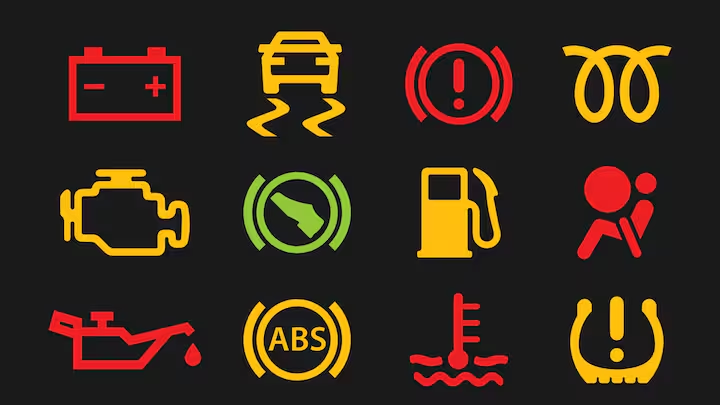
Step 2: Check Warning Lights and Messages
Dashboard alerts can provide valuable clues about:
- Oil pressure
- Engine temperature
- Sensor failures
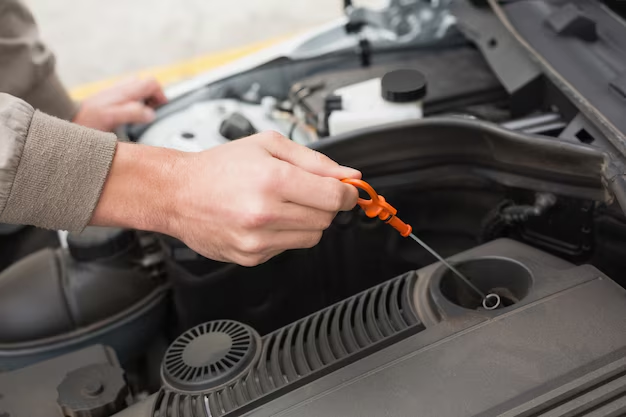
Step 3: Inspect Oil Level and Appearance
Use the dipstick to check:
- Oil level
- Color
- Smell
Do not drain the oil yet. Just observe.
Step 4: Get a Professional Diagnosis
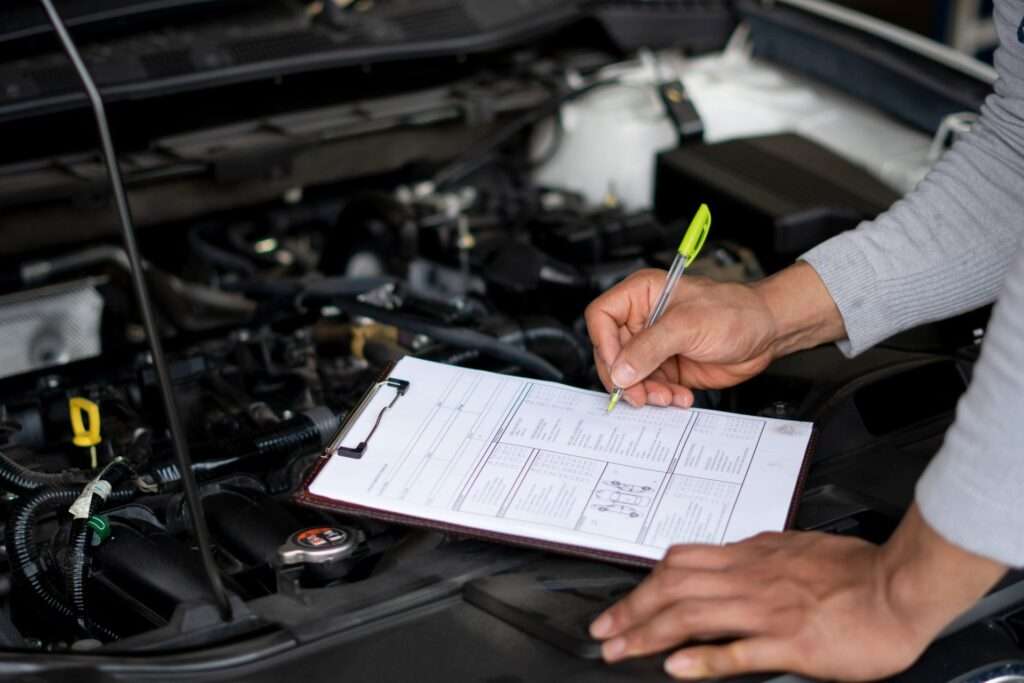
A proper scan and inspection can determine:
- Whether oil caused the failure
- Whether oil change is helpful or harmful at this stage
This step saves time and money in the long run.
How Engine Failure and Oil Issues Are Linked in the UAE
UAE driving conditions put extra stress on engines.
Common local factors include:
- Extreme heat
- Long idle times
- Heavy traffic
- Delayed maintenance
- Use of incorrect oil grades
Because of this, oil-related failures are more common here than in cooler regions. That does not mean oil is always the cause, but it should always be checked carefully.
Can an Oil Change Prevent Further Damage After Failure?
In some cases, yes. In others, no.
An oil change can:
- Reduce friction if damage is minor
- Remove harmful contaminants
- Help cooling after overheating
But it cannot:
- Fix broken bearings
- Repair warped components
- Undo metal damage
Understanding this difference prevents false hope.
What Mechanics Look for in Drained Oil
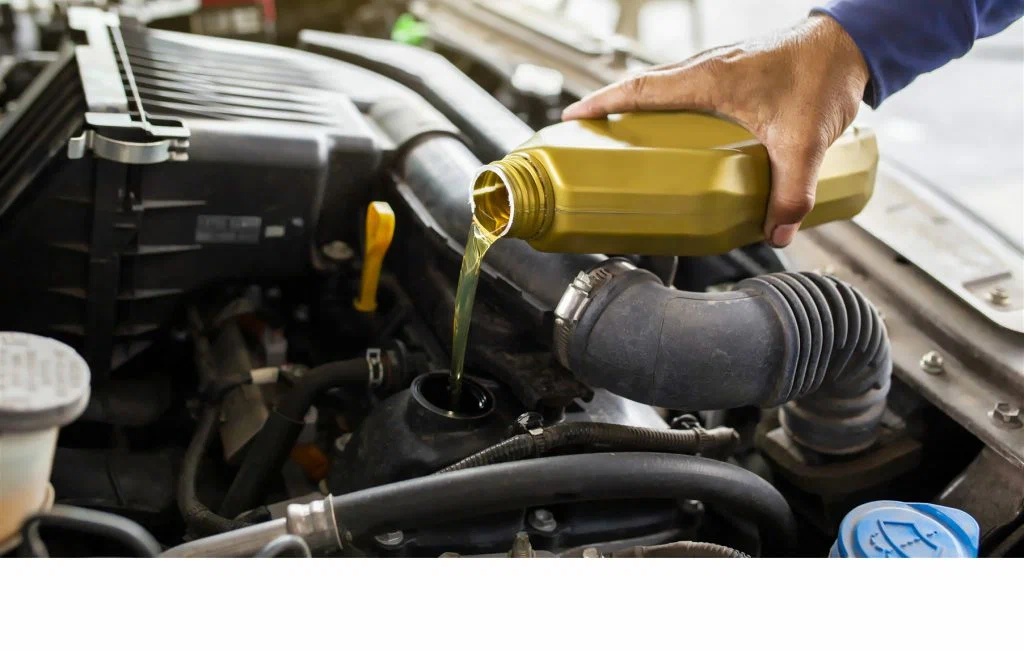
When oil is drained professionally, it is inspected for:
- Metal shavings
- Sludge buildup
- Coolant contamination
- Burnt smell
This information helps confirm the true cause of engine failure. That’s why oil should only be drained after inspection decisions are made.
How Delayed Oil Changes Contribute to Engine Failure
It’s worth noting that many engine failures happen because oil changes were delayed too long.
Risks of overdue oil changes include:
- Sludge formation
- Blocked oil passages
- Increased engine heat
- Premature wear
Regular oil maintenance remains the best prevention strategy.
Best Practice: The Smart Approach After Engine Failure
Here’s the safest approach most professionals recommend:
- Stop driving immediately
- Do not restart the engine
- Check oil level and warning lights
- Get a professional diagnosis
- Change oil only if advised based on findings
This approach protects both your engine and your wallet.
Final Verdict: Should You Do an Immediate Oil Change?
There is no universal yes or no answer.
You should do an immediate oil change if:
- Oil contamination is confirmed
- Overheating degraded oil
- Repairs have already been completed
You should not rush into it if:
- The cause of failure is unknown
- Severe mechanical damage is suspected
- Warranty or insurance inspections are pending
The smartest move is not speed, but clarity.
Final Thoughts
After engine failure, emotions run high, but decisions should stay logical. An oil change is a powerful maintenance tool, but it is not a cure-all. In some cases, it helps protect what remains. In others, it hides important evidence or delays real repairs.
At Drive UAE, we always encourage car owners to focus on correct diagnosis before action. Understanding when an oil change helps and when it doesn’t can save you from costly mistakes and unnecessary stress.
When it comes to engine failure, the right step at the right time matters more than acting fast.