
Laws for Selling Your Car in the UAE: Legal Rules
If you plan to sell your car in the UAE, it is important to understand the country’s car-selling laws. The UAE follows a clear and well-organized system that protects both the buyer and the seller. Every step from preparing the documents to transferring ownership is monitored by local transport authorities to ensure safety and fairness.
In this blog Drive UAE will explain the main laws for selling your car in the UAE.
Legal Framework for Car Selling in the UAE
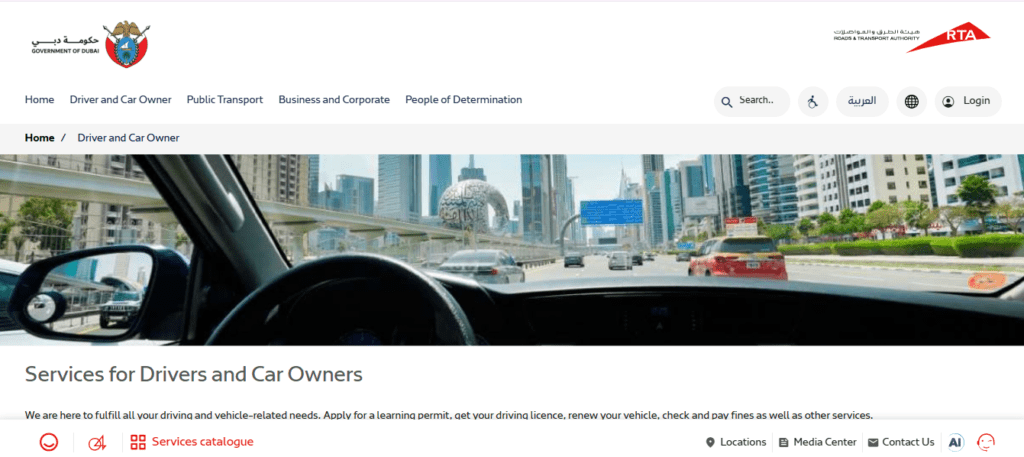
Car selling in the UAE is regulated under federal laws managed by the Ministry of Interior (MOI) and local transport authorities such as the Roads and Transport Authority (RTA) in Dubai and the Abu Dhabi Police in the capital. These bodies make sure that every sale follows legal and safety standards.
- Before selling your car
- You must clear all traffic fines
- Ensure your car registration is valid
- Keep the insurance active until ownership is officially transferred.
Without these documents the sale cannot be processed at any RTA or licensing center.
Ownership transfer usually takes place at an approved service center where both parties must be present with their Emirates ID and vehicle documents. The RTA or local authority will update the system and issue a new registration card under the buyer’s name. This process makes the transaction safe and transparent for everyone involved.
Documents Required for Selling a Car in the UAE
Before you sell your car in the UAE, you need to gather and update several important documents. Having these ready makes the ownership transfer fast and easy. Here is what you will need:
- Emirates ID – Both the buyer and seller must present their original Emirates ID for verification.
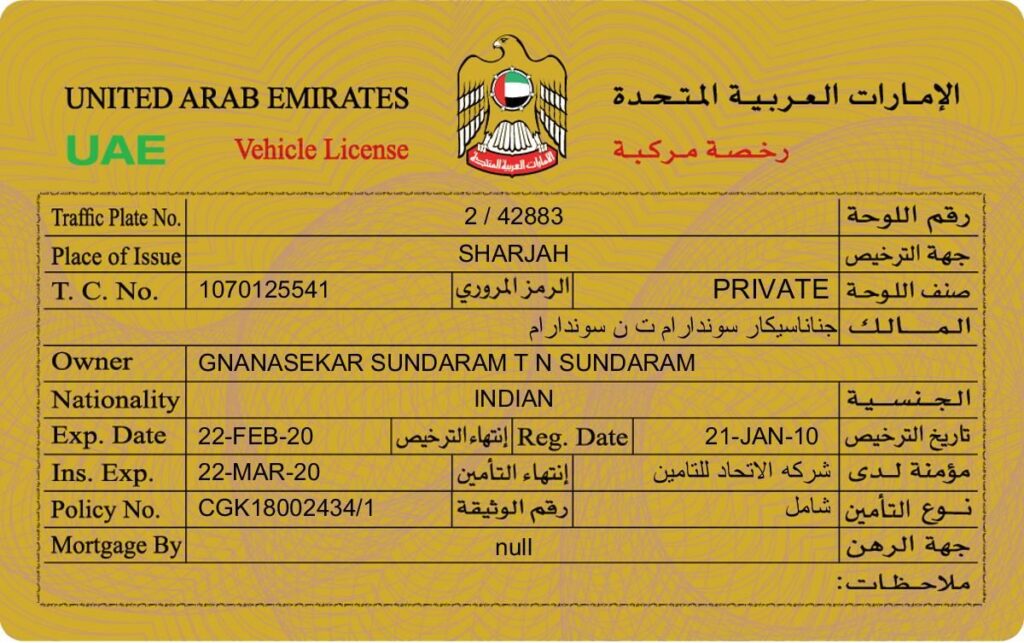
- Vehicle Registration Card (Mulkiya) – This confirms you are the legal owner of the car.
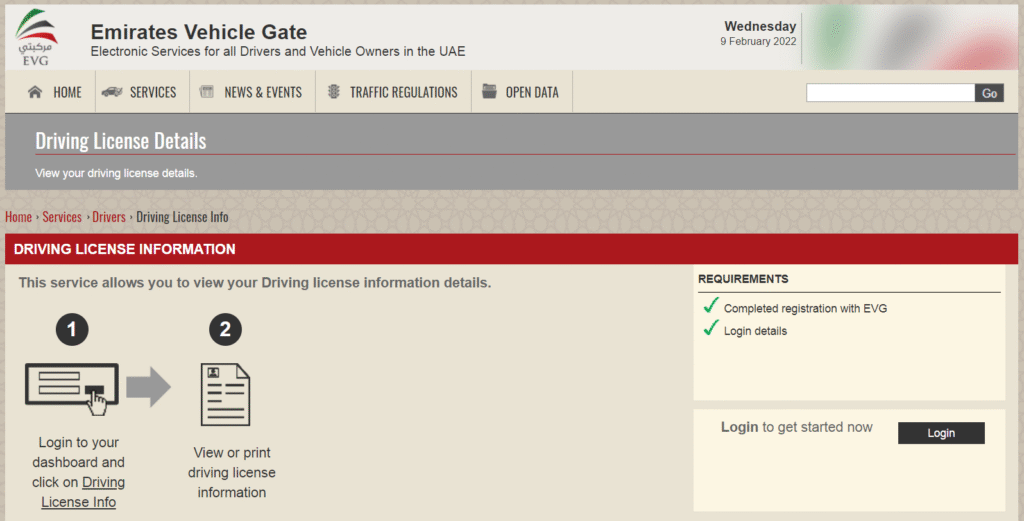
- Valid UAE Driving License – Required to complete the transaction at any RTA or licensing center.
- Car Insurance Certificate – The car must have valid insurance until the sale is finalized.
- Vehicle Inspection Report – Sometimes needed to confirm that the car is roadworthy and safe.
- Bank Clearance Letter (if the car is under loan) – If your car was financed, you must get a clearance letter from the bank confirming the loan has been fully paid.
Why it matters:
Keeping these documents updated helps prevent any issues during the transfer. The RTA will not allow ownership changes if any required papers are missing or expired. Having everything ready also builds trust with buyers and helps complete the process quickly.
Clearing Outstanding Fines, Loans & Salik Before Sale
Here’s what you need to do:
Clear Traffic Fines
- You can pay fines through the RTA website, Dubai Police app, or Smart Police Stations.
- Make sure to check for fines in all emirates if you have driven across UAE cities.
Close or Settle Bank Loans
- Contact your bank to request a loan clearance letter once the final payment is made.
- Without this document, the RTA will not approve the ownership transfer.
Check and Clear Salik Balance
- Log in to your Salik account and clear any remaining toll balance.
- You can also close your Salik account if you are leaving the UAE or transferring the car to another person.
Tip:
Always confirm all payments are reflected in the system before visiting the RTA. This ensures there are no delays or rejected applications when you go for the final ownership transfer.
The RTA Car Ownership Transfer Process
Here’s how it works step by step:
- Vehicle Inspection and Certificate
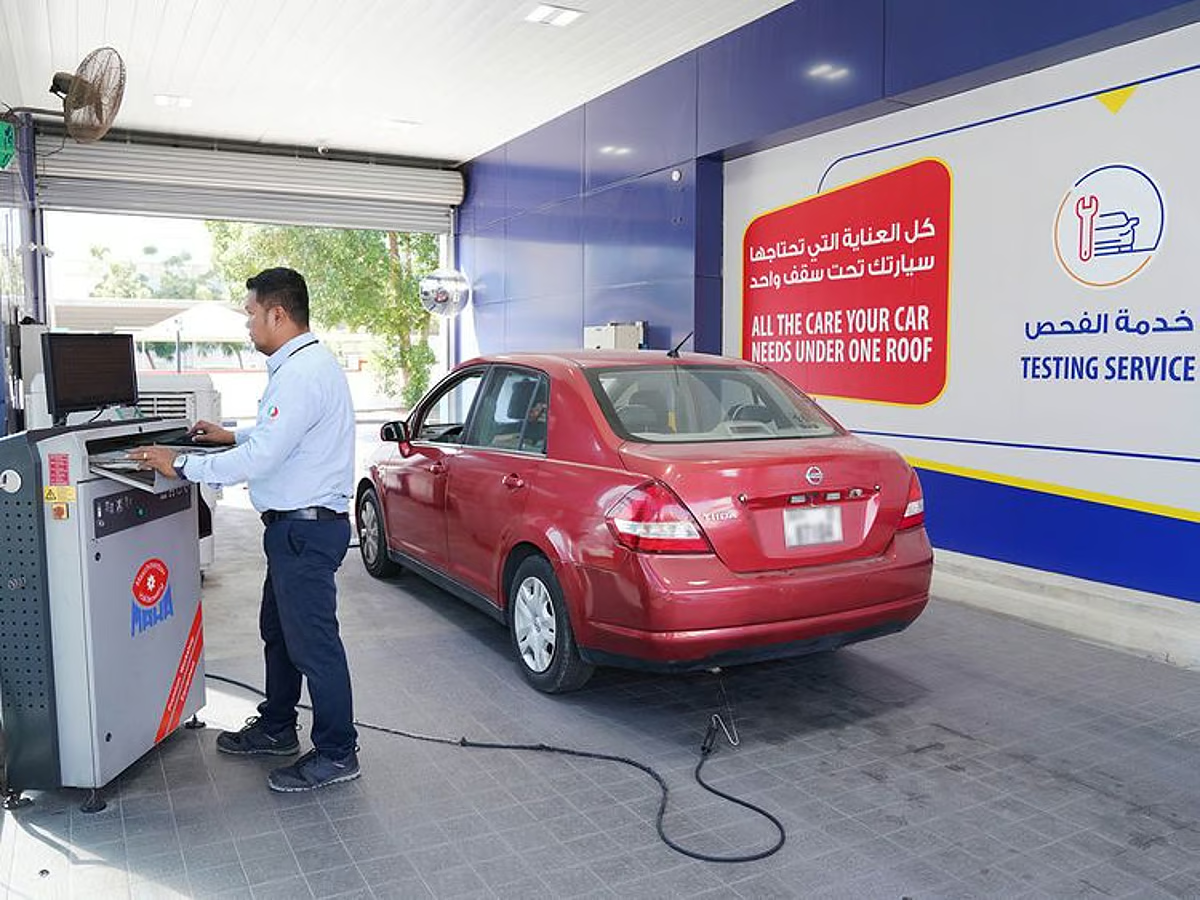
Before selling, your car must pass a technical inspection at an RTA-approved testing center. This ensures the vehicle is in good condition and safe for road use. Once it passes, you will receive an inspection certificate.
- Seller and Buyer Visit RTA Center
Both parties must visit an RTA customer service center or an approved typing center to process the transfer. Some emirates, like Abu Dhabi and Sharjah, have similar service centers.
- Identity Verification
The RTA officer will check both the buyer’s and seller’s Emirates ID, vehicle registration, and insurance documents. This step confirms the identities and legal ownership.
- Payment of Transfer Fee
A small transfer fee applies, which varies slightly depending on the vehicle type. Payment can be made directly at the service center.
- Issuance of New Mulkiya (Vehicle Registration)
Once payment is done, the RTA cancels the old registration card and issues a new Mulkiya in the buyer’s name. The car now officially belongs to the new owner.
Digital Options:
For added convenience, Dubai residents can use the Dubai Drive App to start or complete the ownership transfer online. In Abu Dhabi, the TAMM portal offers similar digital services, allowing users to complete most steps remotely.
Selling a Financed Car in the UAE
Selling a car that is still under a bank loan requires a few extra steps but is completely possible if handled correctly. The main condition is to clear the loan before the transfer.
Here’s what you need to do:
- Contact Your Bank
Reach out to the bank that financed your car and ask for the exact loan balance. The bank will inform you how much needs to be paid to close the loan. - Settle the Remaining Loan
Once you make the full payment, the bank will issue a clearance letter confirming the loan has been settled. This letter releases the car from the mortgage. - Remove the Bank Hold
After receiving the clearance letter, the bank updates the RTA system to remove the lien (or hold) on your car. This is necessary before ownership can change. - Proceed with Ownership Transfer
Once the car is free of any financial obligation, you can follow the same process as a normal sale, visit the RTA center with the buyer, verify documents, pay the transfer fee, and receive the new Mulkiya.
Note:
If the buyer wants to take over your bank loan instead of clearing it, both of you must visit the bank. The bank will check the buyer’s eligibility and issue approval if they qualify to take over the remaining payments.
These steps ensure that both the seller and buyer are protected under UAE law, and that the sale is completed without financial disputes or delays

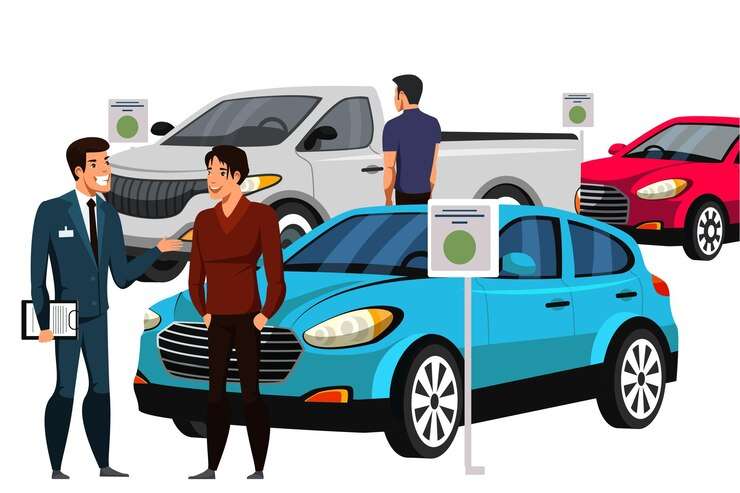
Selling Your Car to a Dealer, Online Platform, or Private Buyer
Each method has its own advantages and legal responsibilities.
Selling to a Dealer
Many people prefer selling their car to a licensed car dealer because it’s quick and stress-free. The dealer usually takes care of all the paperwork and RTA transfer steps for you. However, dealers often offer a lower price than what you might get in a private sale, as they need to make a profit when they resell the car.
Selling Through an Online Platform
Selling your car online can be very convenient. Many trusted websites in the UAE allow you to list your car and connect with potential buyers. Always make sure the platform is legitimate and check for proper licensing. Avoid sharing personal information or accepting payments without proper documentation.
Selling to a Private Buyer
If you prefer to handle the sale yourself, you can sell your car directly to a private buyer. This option may help you get a better price, but it requires more work. You’ll need to meet the buyer in person, confirm their identity, and ensure the RTA ownership transfer is done properly.
Remember, no matter which method you choose, the legal responsibility for the car stays with you until the ownership transfer is officially completed at the RTA.
What Happens If You Sell Without Transferring Ownership
If you sell your car without completing the ownership transfer, you could face serious problems. Even after you hand over the car, you remain the legal owner in RTA records until the transfer is complete.
Here are some possible risks:
- Traffic fines: Any traffic violations made by the new driver will still appear under your name.
- Accidents or misuse: If the car is involved in an accident or a crime, you could be held responsible.
- Insurance issues: Your insurance remains linked to the car, which may cause legal or financial trouble.
According to RTA rules, sellers must ensure the transfer process is finished before giving the car and keys to the new owner. Failing to do so can result in penalties or fines, depending on the case.
To stay safe, always finalize the sale at an RTA-approved center, make sure the new Mulkiya (registration card) is issued in the buyer’s name, and keep a copy of the transfer receipt as proof.

Final Words
Selling your car in the UAE is simple when you follow the legal process. Make sure you clear all fines, prepare the right documents, and complete the ownership transfer at an RTA-approved center. This protects you from future issues and ensures a fair, transparent sale. Whether you sell to a dealer, online platform, or private buyer, staying within the law keeps both parties safe.
If you’re planning to sell your car and upgrade to a luxury ride, Drive UAE is here to help you explore the latest high-end models available for rent or purchase. Visit Drive UAE today to find your next dream car in Dubai!